Comprehending High Temperature Sleeve Bearings and Their Challenges
High temperature sleeve bearings are specialized components designed to operate in extreme heat conditions, often exceeding 800°C (1472°F). These bearings play a crucial role in various industries, including aerospace, automotive, and heavy machinery. Their unique construction allows for smooth rotation and reduced friction in environments where standard bearings would fail.
The primary challenge faced by high temperature sleeve bearings is thermal stress. As temperatures rise, materials expand, potentially leading to increased friction, wear, and ultimately, bearing failure. Additionally, lubricants used in conventional bearings may break down or evaporate at high temperatures, further exacerbating the problem.
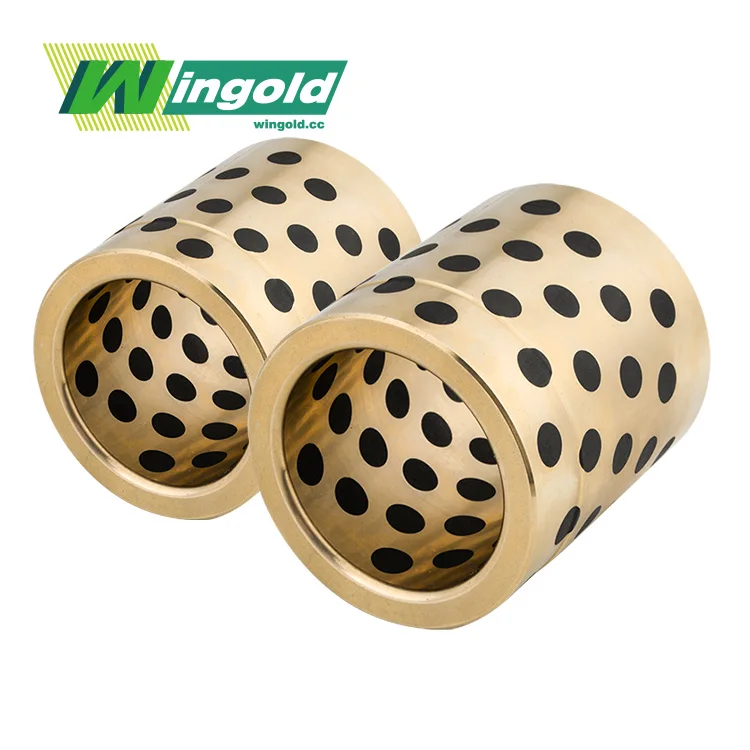
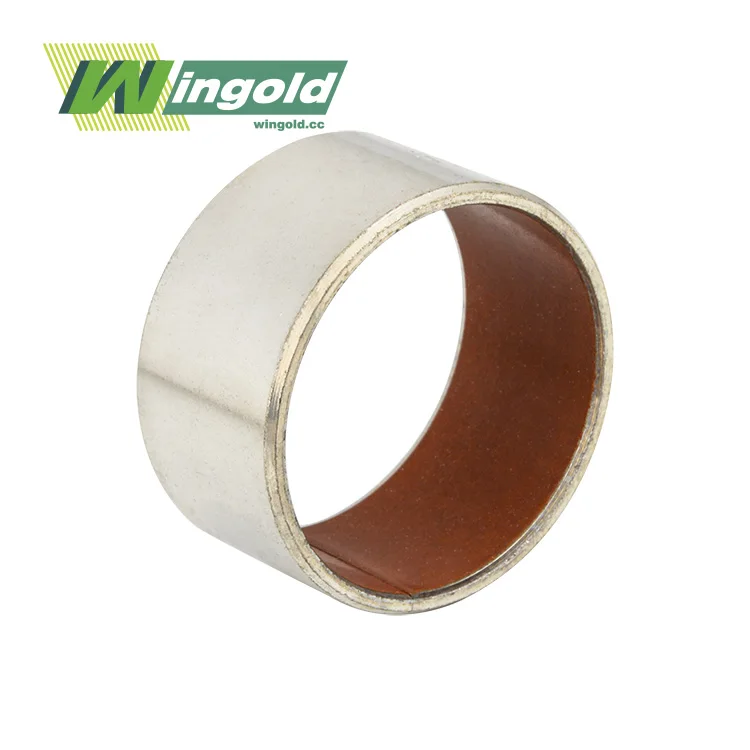
To address these challenges, manufacturers like Wingold Bearing utilize advanced materials such as self-lubricating graphite composites, high-performance polymers, and specialized metal alloys. These materials offer excellent thermal stability, low friction coefficients, and high wear resistance, making them ideal for extreme temperature applications.
Key Factors Affecting Bearing Performance in High Temperatures
Several factors influence the performance of high temperature sleeve bearings:
- Material selection: The choice of bearing material significantly impacts its ability to withstand high temperatures and maintain structural integrity.
- Lubrication: Proper lubrication is essential for reducing friction and dissipating heat, even in self-lubricating bearings.
- Load capacity: Bearings must be designed to handle both the thermal and mechanical loads present in high-temperature environments.
- Clearance and fit: Proper clearance between the bearing and shaft is crucial to accommodate thermal expansion and ensure optimal performance.
- Surface finish: A smooth surface finish helps minimize friction and heat generation.
Strategies for Preventing Overheating in High Temperature Sleeve Bearings
Implementing effective strategies to prevent overheating is essential for maximizing the lifespan and performance of high temperature sleeve bearings. Here are some key approaches:
Material Selection and Design Considerations
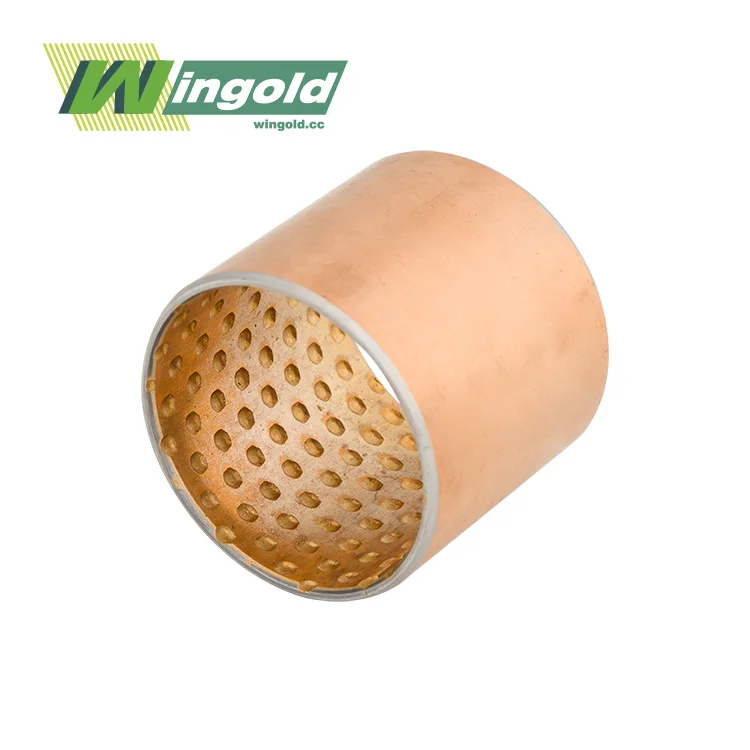
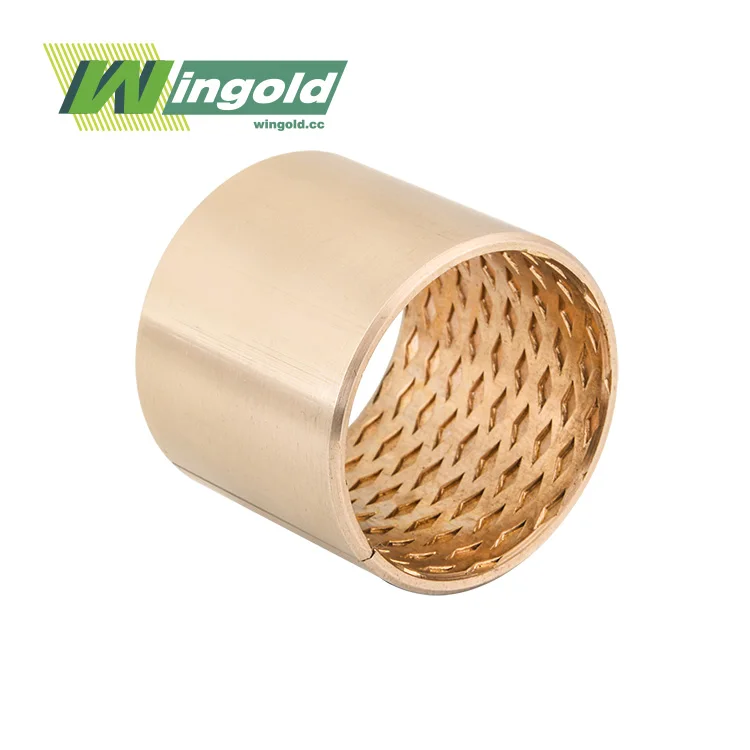
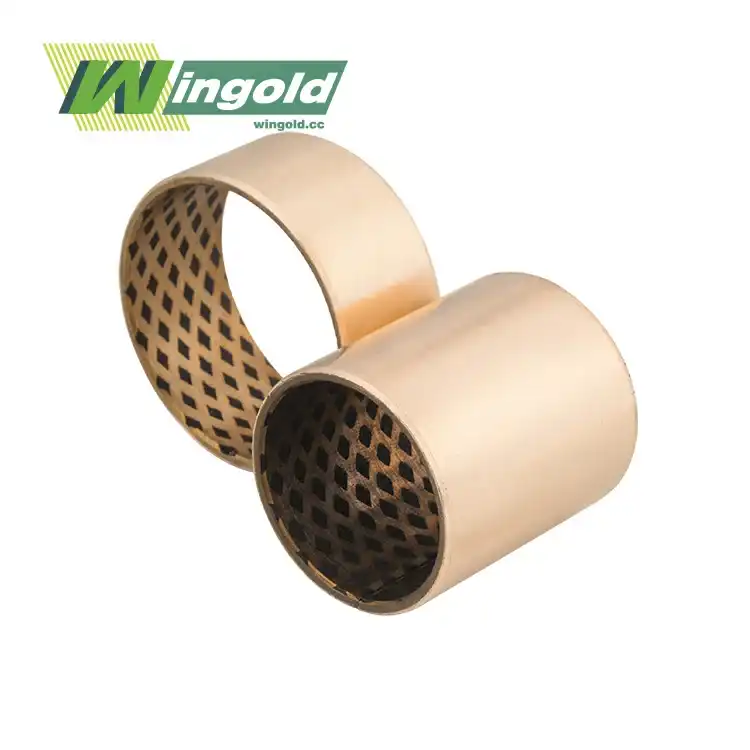
Choosing the right material for high temperature sleeve bearings is paramount. Advanced materials like those used in Wingold's WGB-090 oil bronze bearings offer exceptional heat resistance and durability. These bearings utilize high-density copper alloy strips as the base, providing excellent load-bearing capacity and wear resistance.
Design considerations also play a crucial role in preventing overheating. Incorporating features such as diamond or hemispherical oil holes and oil grooves can significantly enhance lubrication and heat dissipation. These design elements allow for better oil retention and distribution, reducing friction and heat generation.
Optimizing Lubrication Techniques
Even in self-lubricating bearings, proper lubrication is essential for preventing overheating. For high temperature applications, consider the following:
- Use high-temperature lubricants designed to withstand extreme conditions without breaking down or evaporating.
- Implement automated lubrication systems to ensure consistent and adequate lubrication.
- Monitor lubricant levels and condition regularly, replacing as needed to maintain optimal performance.
Implementing Effective Cooling Mechanisms
Incorporating efficient cooling mechanisms can significantly reduce the risk of overheating in high temperature sleeve bearings. Consider these approaches:
- Design bearing housings with improved heat dissipation properties, such as fins or channels for increased surface area.
- Implement forced air or liquid cooling systems to actively remove heat from the bearing assembly.
- Use heat-resistant insulation materials to protect surrounding components and minimize heat transfer.
Maintenance and Monitoring Practices for High Temperature Sleeve Bearings
Regular maintenance and vigilant monitoring are vital practices for extending the service life and ensuring the efficiency of high temperature sleeve bearings. A well-structured maintenance program helps detect early warning signs of problems such as wear, overheating, or contamination before they escalate into major failures. Consistent attention to operating conditions, combined with timely corrective measures, minimizes unplanned downtime, enhances equipment reliability, and protects surrounding components from potential secondary damage caused by bearing malfunction.
Implementing a Proactive Maintenance Schedule
Establishing a proactive maintenance schedule provides a systematic approach to safeguarding high-temperature sleeve bearings. This program should include routine inspections for identifying surface wear, misalignment, or mechanical stress, along with periodic lubrication checks to maintain proper film thickness. For components such as oil groove bushings, ensuring that lubrication channels remain clear is especially critical to maintain consistent oil flow and prevent localized overheating. Cleaning both the bearings and their surroundings prevents dust and debris contamination, which could compromise performance. Continuous monitoring of temperature and vibration ensures abnormal conditions are addressed quickly, reducing the likelihood of costly failures and extending operational reliability in demanding environments.
Utilizing Advanced Monitoring Technologies
Advanced monitoring technologies allow operators to collect real-time data and improve the predictive management of high temperature sleeve bearings. Installing temperature sensors provides continuous feedback on thermal conditions, ensuring overheating is detected immediately. Vibration analysis tools are used to identify imbalance, misalignment, or early signs of fatigue, while oil analysis reveals lubricant degradation or the presence of contaminants. When integrated with predictive maintenance software, these systems support data-driven decisions, enabling proactive interventions that maximize bearing service life and optimize machine performance.
Conclusion
Preventing overheating in high temperature sleeve bearings is crucial for ensuring the longevity and reliability of industrial equipment operating in extreme conditions. By implementing proper material selection, optimizing lubrication techniques, and employing effective cooling mechanisms, industries can significantly reduce the risk of bearing failure and extend equipment lifespan.
As a trusted high temperature sleeve bearing manufacturer and supplier, Wingold Bearing offers innovative solutions designed to excel in the most demanding environments. Our advanced manufacturing processes and cutting-edge materials ensure unparalleled durability and reliability in extreme conditions. For more information about our high-performance bearing products or to discuss your specific application requirements, please contact us at info@wingold.cc.
FAQs
What is the maximum temperature a high temperature sleeve bearing can withstand?
High temperature sleeve bearings can operate at temperatures up to 800°C (1472°F), depending on the materials used and specific design features.
How often should high temperature sleeve bearings be inspected?
Inspection frequency depends on the application, but generally, quarterly or bi-annual inspections are recommended for high-temperature environments.
Can high temperature sleeve bearings operate without lubrication?
Some high temperature sleeve bearings are designed to be self-lubricating, but most still benefit from proper lubrication to minimize friction and heat generation.