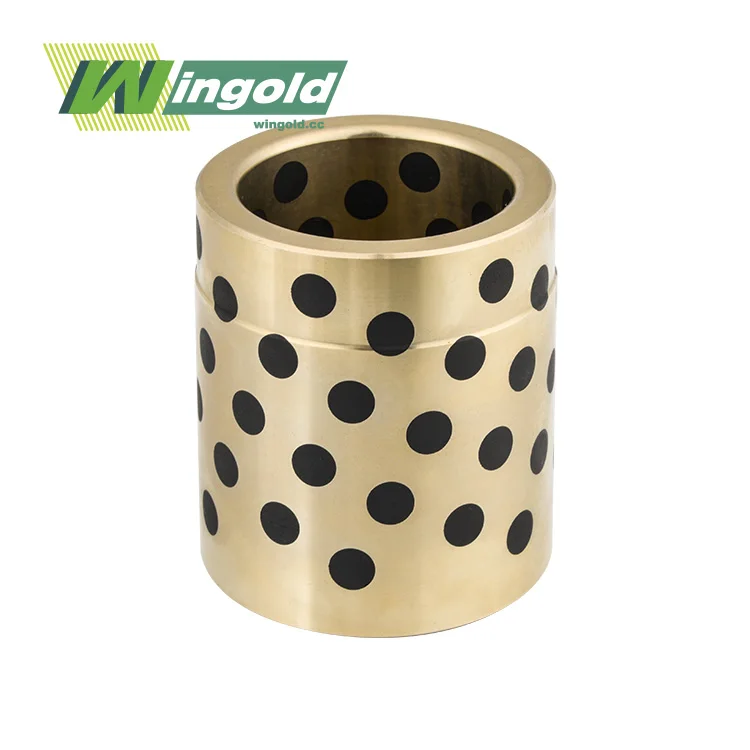
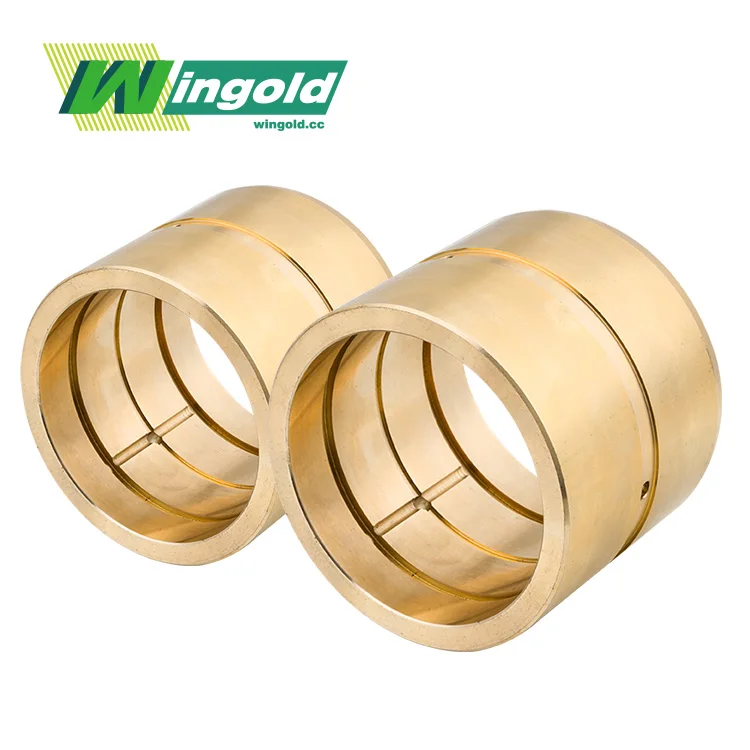
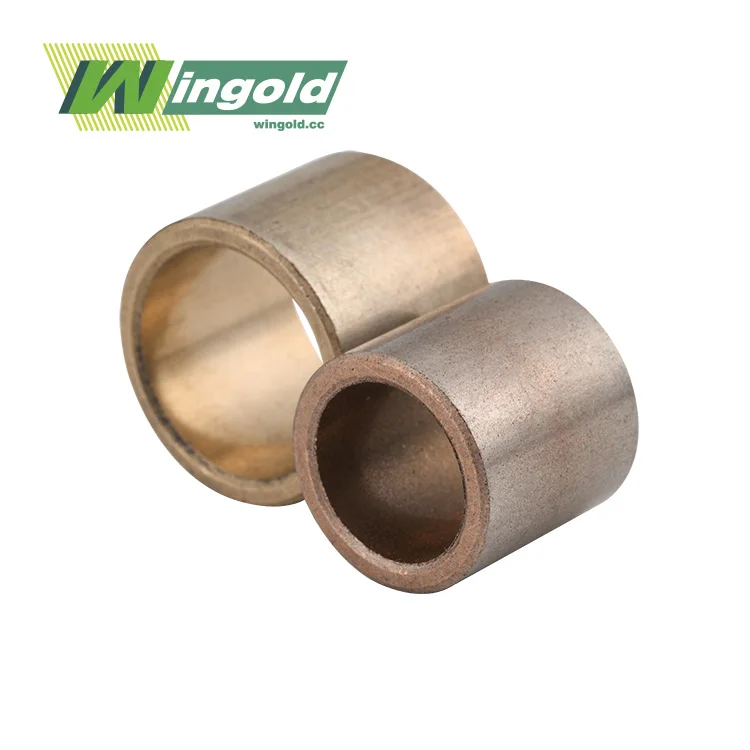
Bimetallic bushings represent a pinnacle in bearing technology, engineered to deliver unmatched performance across demanding industrial sectors. Combining two dissimilar metals, these components optimize load-bearing capacity, friction reduction, and wear resistance, making them indispensable in applications ranging from construction machinery to automotive and energy equipment. This ultimate guide aims to unravel the technical advantages, material composition, and practical applications of bimetallic bushings, empowering manufacturers to make informed purchasing decisions aligned with their design, durability, and cost-efficiency goals.
Understanding the Structure and Function of Bimetallic Bushings
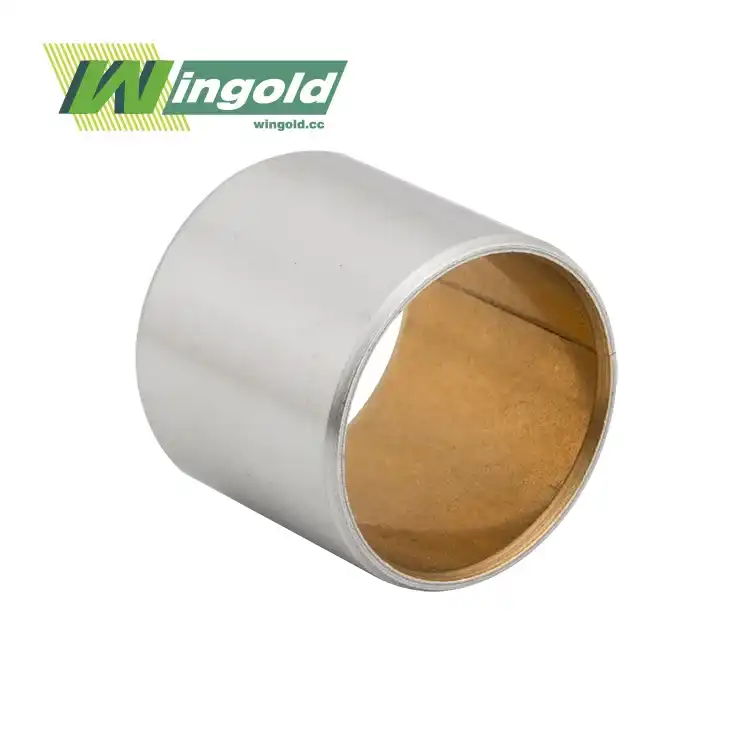
At their core, bimetallic bushings consist of a robust steel backing that provides essential mechanical strength and heat dissipation capabilities. This metal composite sleeve supports a meticulously sintered bearing layer formulated from copper-based alloys, such as CuPb10Sn10 and AlSn20Cu, which confer superior surface finish and wear resistance. The synergy of these materials enhances thermal conductivity and load capacity, allowing the bushing to operate effectively under high stress and temperature fluctuations while maintaining minimal friction.
The innovative design also includes customizable features like oil grooves and lubricating holes, catering to scenarios where continuous lubrication isn’t feasible. This inherent self-lubricating property drastically reduces maintenance needs and ensures a maintenance-free lifespan, which appeals greatly to engineers and quality assurance managers aiming for operational continuity and environmental sustainability.
Material Selection: Tailoring Performance for Diverse Industrial Applications
Crafting a bimetallic bushing involves precise selection of alloys to correspond with the specific performance requirements of industries. Aluminum-tin alloys provide excellent embedability and conformability, facilitating adaptation to varying shaft conditions—a favored choice in precision engineering and automotive components. Copper-lead alloys exhibit remarkable thermal conductivity and exceptional load capacity, essential for heavy-duty equipment like crushers or rolling mills.
Bronze alloys contribute enhanced corrosion resistance and durability, which is vital in marine and petrochemical environments. Some variants incorporate PTFE-based materials to minimize friction coefficients, making them suitable for dry-running applications within metalworking or food machinery sectors. This material versatility enables Wingold Bearing to custom-tailor bushings that excel in specific use-cases, addressing both the procurement pain points of cost and lifespan optimization as well as the critical certification demands from industries such as automotive (IATF 16949), rail (IRIS), and energy (API/ISO).
Performance Attributes: Why Bimetallic Bushings Outperform Alternatives?
When evaluating sliding bearings, performance attributes such as friction control, wear resistance, and thermal management determine suitability. Bimetallic bushings maintain a notably low friction coefficient—ranging from 0.02 to 0.08—significantly reducing energy losses and heat buildup in industrial machinery. Their composite structure supports load capacities up to 250 MPa, withstanding both shock loading and cyclic fatigue that occur in construction and metallurgical equipment.
The enhanced surface finish achieved by sintered copper alloys such as CuPb10Sn10 bushing also improves lubrication film formation, extending service life in lubricated or dry environments. Process engineers benefit from compatibility with a broad spectrum of installation methods and machining options, including CNC turning and extrusions, which streamline production without compromising quality. This durability and adaptability collectively contribute to cost-efficiency by lowering lifecycle expenses, a crucial consideration for purchasing managers looking to balance upfront unit price with long-term reliability.
Customization and Technical Support: Partnering for Excellence
Wingold Bearing understands that no two industrial applications demand identical solutions. Offering comprehensive customization—from alloy composition and dimensional specifications to oil groove geometry—ensures that each bushing is optimized for its operational environment. This flexibility is invaluable for R&D teams seeking components that meet unique load and friction criteria.
Moreover, Wingold’s commitment to rapid prototyping and joint development fosters innovation and accelerates time-to-market. Engineers receive dedicated technical support throughout the entire cycle, enabling them to fine-tune material properties and surface treatments for maximum performance. Such close collaboration maximizes supply capacity stability and addresses procurement managers’ concerns about delivery reliability and volume commitments. These service capabilities position Wingold as a strategic partner rather than just a supplier.
Quality Assurance and Certification: Maintaining Industry Standards
Meeting rigorous international standards is non-negotiable for manufacturers involved in automotive, rail transit, and energy sectors. Wingold’s bimetallic bushings comply with certifications including ISO 4383, ASTM B22, IATF16949, and API standards, ensuring consistency and traceability across production batches. Quality control encompasses friction coefficient testing and accelerated life assessments, guaranteeing that every product maintains performance integrity.
Precision testing and documented certification alleviate quality management teams' concerns regarding product uniformity. This assurance reduces the risk of field failures and supports regulatory compliance, essential in industries with stringent safety and operational regulations. Consequently, manufacturers gain confidence that these bimetallic sleeve bearings will uphold the equipment’s design life and operational limits.
Optimizing Procurement: Making Informed Buying Decisions
Selecting the right bimetallic bushings involves evaluating technical compatibility alongside cost, delivery, and long-term supplier relationship stability. Wingold Bearing’s expansive production capacity—up to 10,000 tons annually—and streamlined logistics support bulk purchasing and framework agreements favored by medium and large-scale machinery manufacturers.
Transparency in pricing combined with tailored manufacturing enables Purchasing and Supply Chain Managers to forecast budgets with precision. The availability of self-lubricating, oil-free bearing options further reduces lifecycle maintenance expenditures. Manufacturers who prefer upstream collaborative partnerships will find Wingold’s joint development framework conducive to innovation and supply security, critical factors in today’s competitive market landscape.
Conclusion
Bimetallic bushings stand as high-performance components meticulously crafted to meet the multifaceted demands of modern manufacturing industries. The fusion of durable steel backings with advanced copper alloy wear layers delivers an optimal balance of load capacity, friction reduction, and longevity. Wingold Bearing’s technical expertise, custom solutions, and adherence to international standards position it as an authoritative partner for manufacturers seeking reliable, cost-effective, and certified bearing solutions. Investing in such tailored bushings not only enhances equipment performance but also streamlines procurement while ensuring long-term operational success.
Where to Buy Bimetallic Bushing?
Finding a dependable supplier for high-quality bimetallic bushings can be pivotal in improving your machinery’s reliability and efficiency. WINGOLD BEARING offers an extensive range of these specialized bearings, manufactured with precision and customizable to your unique industrial requirements. Their products guarantee proven durability, consistent performance, and compliance with essential certifications. To explore how WINGOLD BEARING can support your production needs or to request a quote, please contact us at info@wingold.cc.
References
1. Totten, G.E., MacKenzie, D.S. (2017). Handbook of Metallurgical Process Design. Materials Science and Engineering Series.
2. Bhushan, B. (2013). Introduction to Tribology. Wiley Encyclopedia of Tribology.
3. Sharma, P., Kishore, N. (2019). Sliding Bearings: Design and Performance Considerations in Heavy Machinery. Industrial Engineering Journal.
4. Liu, S., Zhao, Y. (2021). Advances in Composite Bearing Materials and Surface Treatments. Journal of Materials Processing Technology.
5. Murray, J.L. (2015). Bearing Materials and Their Tribological Behaviour in Automotive Applications. SAE International.
6. Kumar, V., Singhal, M. (2018). Engineering Applications of Bimetallic Bearings in Energy and Rail Industries. Journal of Mechanical Engineering and Automation.