- English
- French
- German
- Portuguese
- Spanish
- Russian
- Japanese
- Korean
- Arabic
- Greek
- German
- Turkish
- Italian
- Danish
- Romanian
- Indonesian
- Czech
- Afrikaans
- Swedish
- Polish
- Basque
- Catalan
- Esperanto
- Hindi
- Lao
- Albanian
- Amharic
- Armenian
- Azerbaijani
- Belarusian
- Bengali
- Bosnian
- Bulgarian
- Cebuano
- Chichewa
- Corsican
- Croatian
- Dutch
- Estonian
- Filipino
- Finnish
- Frisian
- Galician
- Georgian
- Gujarati
- Haitian
- Hausa
- Hawaiian
- Hebrew
- Hmong
- Hungarian
- Icelandic
- Igbo
- Javanese
- Kannada
- Kazakh
- Khmer
- Kurdish
- Kyrgyz
- Latin
- Latvian
- Lithuanian
- Luxembou..
- Macedonian
- Malagasy
- Malay
- Malayalam
- Maltese
- Maori
- Marathi
- Mongolian
- Burmese
- Nepali
- Norwegian
- Pashto
- Persian
- Punjabi
- Serbian
- Sesotho
- Sinhala
- Slovak
- Slovenian
- Somali
- Samoan
- Scots Gaelic
- Shona
- Sindhi
- Sundanese
- Swahili
- Tajik
- Tamil
- Telugu
- Thai
- Ukrainian
- Urdu
- Uzbek
- Vietnamese
- Welsh
- Xhosa
- Yiddish
- Yoruba
- Zulu
What is the lifespan of PTFE plain bearings?
When a bearing fails and your production line stops without warning, every minute means wasted money and angry customers. How long a PTFE plain bearing lasts has a direct effect on your budget for upkeep and keeping your business running. These self-lubricating parts usually last between 5,000 and 30,000 hours of use in ideal conditions. However, many last much longer if they are properly described and kept. This length changes a lot depending on the load, the working temperature, the speed of the sliding, and the quality of the shaft surface. When purchase managers and repair engineers know about these factors, they can make smart choices that increase the life of parts and lower the total cost of ownership.
Understanding PTFE Plain Bearings and Their Lifespan
PTFE plain bearings are a complex engineering answer that blend different materials into a single, high-performance part. At Wingold, we've spent more than 20 years perfecting the composite structure that makes these PTFE plain bearings very stable in harsh industrial settings.
The Three-Layer Architecture
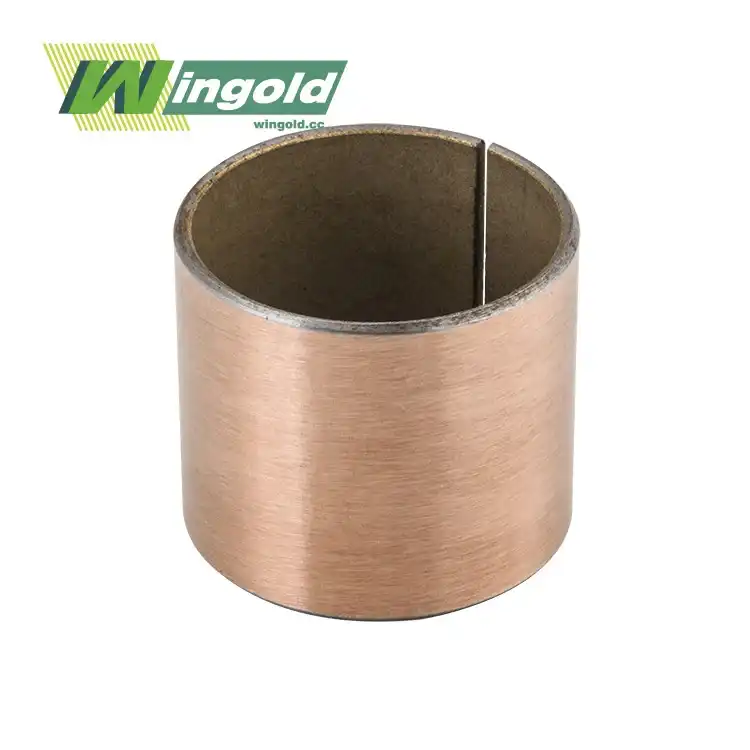
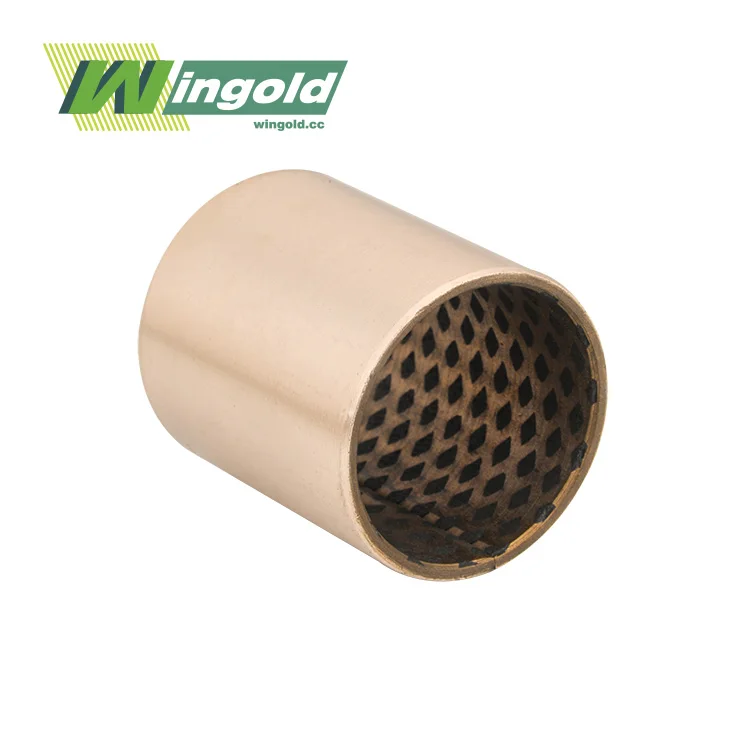
The architecture is made with an exact stacked design, and each material gives it its own set of performance qualities. The steel backing gives the structure rigidity and acts as a base for placing the unit while supporting heavy loads. This metal layer holds the bearing firmly in place inside the housing holes and keeps it from deforming when it's under stress from use.
There is a porous bronze interlayer between the steel and the moving surface that does two things. This layer of powdered bronze physically attaches the PTFE layer to the steel backing. Its semi-porous structure also helps to reduce friction. The porosity lets tiny amounts of lubricants stay in the bearing when they are present, but the bearing works fine without any extra greasing.
The tribological qualities that make these parts unique are found in the top PTFE layer. The surface of this polytetrafluoroethylene material is very resistant to wear and naturally lubricates itself. As the machine works, a thin film moves from the PTFE surface to the matching shaft, making a solid grease contact that keeps the friction coefficients between 0.02 and 0.08.
How Operating Conditions Shape Durability?
The composition of a material determines its basic performance, but the conditions of use in the real world decide its true service life. The PV factor, which is found by multiplying the specific load (pressure) by the moving velocity, is the best way to guess how fast something will wear out. Wingold bearings can handle dynamic loads of up to 140 N/mm² and work well within a PV limit of about 3.6 N/mm²·m/s when the bearings are dry.
Longevity is affected by environmental factors in a big way. PTFE is very neutral, so it doesn't break down easily in chemically-based situations. It can withstand most industrial acids and corrosive media. Abrasive particles make wear happen faster, so it's important to have good sealing arrangements in dusty places like building and mining equipment.
Shaft surface quality cannot be ignored. It is suggested that the surface roughness of matching shafts stay between Ra 0.3 and 0.5 micrometers and have a minimum hardness of more than HB 200. When stainless steel shafts are hard chrome-plated, sharp galling doesn't happen, which would damage the PTFE transfer film and drastically shorten the life of the bearings.
Temperature Effects on Service Life
There is an incredibly wide range of temperatures that PTFE bearings can work in, from cryogenic uses at -195°C to steady operation at 280°C. Because they can handle high temperatures, they can be used in power tools and industrial processes where regular bearings would fail. But running near the upper temperature limit for a long time lowers the mechanical qualities and speeds up material creep, which shortens the working lifetime.
Changing the temperature adds more stress. When temperatures change quickly or often, the different rates of growth of the steel backing, the bronze interlayer, and the PTFE top can make the bond less strong. When used in mining equipment or forging machinery, thermal control needs to be paid extra care to keep the bearings' integrity.
Key Dimensions Influencing PTFE Plain Bearing Lifespan
Before making a purchase choice, technical factors that directly affect longevity must be carefully looked at. By knowing these measurements, you can specify parts that meet the needs of the real operation instead of just using catalog grades, whether for a PTFE plain bearing or PTFE sealing washers.
Temperature Management Strategies
PTFE can handle temperatures up to 280°C, but it works best in temps that are more mild. Long-term contact to temperatures above 260°C breaks down molecules, which lowers the resistance to wear and raises the friction coefficients. Periodic thermal tracking is a good way to find creeping decline in equipment that is constantly working at high temperatures before it fails completely.
Pathways for heat removal have a big effect on thermal efficiency. The steel backing and bronze interlayer move heat away from the area of contact and toward the structure of the housing. Having enough thermal mass in the parts around the machine helps keep the temperature stable. Extra lubrication isn't needed for basic function, but it can improve heat movement and make parts last longer in uses that need to handle high temperatures.
Load Capacity Considerations
Safe working ranges are set by static and dynamic load values. During times of inactivity, loads of up to 250 N/mm² can be supported, but when the machine is continuously moving, it needs lighter loads. Going beyond the maximum limits speeds up wear by increasing the contact pressure, which causes too much heat and deforms the PTFE overlay.
Heavy building equipment and hydraulic systems have a hard time with shock loads. Instantaneous force spikes put more stress on the material than its steady-state values allow. This could lead to micro-fractures in the metal layer or delamination between the layers of the material. Safety factors that take peak loads instead of normal working conditions are better for uses that are likely to be hit.
Lubrication Requirements and Options
People became interested in these bearings because they don't need traditional lubrication systems. This lowers the cost of upkeep and keeps sensitive uses like food processing gear and pharmaceutical equipment from getting contaminated. The self-lubricating PTFE surface moves material onto the shaft, making a thick film of oil that keeps regenerating while the machine is running.
Supplemental lube can still be helpful in some situations. During the first few runs, applying a little oil helps the transfer film form and lowers the amount of break-in wear. When suitable lubricants are added to the PTFE contact, it helps heat escape better during high-speed operations or long task cycles. Checking chemical compatibility is important because some manmade oils react badly with PTFE products and should be avoided.
Comparing PTFE Plain Bearings With Alternative Bearing Types
To choose a PTFE plain bearing, you have to compare several options to the needs of the application. Each type of material has its own benefits, and the best choices are those that balance performance, cost, and useful life.
Performance Against Traditional Bronze Bushings
Bronze bearings were the standard in industry for many years because they worked well when they were properly oiled. These copper metal parts can handle more mechanical stress and be out of line more easily than PTFE ones. Bronze, on the other hand, needs to be oiled all the time, which means it needs to be maintained and there is a chance of contamination.
PTFE plain bearings don't need any lubrication equipment, so they have lower lifetime costs even though they cost more to buy at first. The ability to work without any upkeep is especially useful in places that are hard to get to, like with ship propulsion systems and remote engineering equipment. PTFE is much more resistant to chemicals than metal, which makes it the best choice for handling petrochemicals and working with aggressive fluids.
Different materials make very different amounts of noise. Stick-slip problems that make bronze bushings squeak are eliminated by PTFE's constant low friction. This is especially true during low-speed, high-load operation that is common in car suspension systems. Noise pollution is lower in industrial car making and material handling equipment because of this vibration dampening.
Advantages Over Polymer Alternatives
Nylon and other industrial plastics are cheaper, but they don't work as well as other materials. When nylon bushings get wet, their dimensions become unstable, which leads to changes in clearance and unpredictable wear patterns. PTFE remains dimensionally stable across humidity extremes, ensuring consistent performance in outdoor equipment and marine applications.
Temperature limits mean that nylon can only be used continuously at about 120°C, which is too hot for engines that make electricity or machinery that works with metal. Because PTFE composites can withstand temperatures up to 280°C, they can be used in situations where polymer alternatives just won't work. PTFE is also better at carrying weight, and its compression strength is much higher than that of most common industrial plastics.
When Rolling Element Bearings Fall Short?
While ball and roller bearings work great in high-speed, precise situations, they can be hard to use in dirty areas. Particles that are rough get into seals and damage rolling elements, which makes building and mining equipment break down quickly. PTFE plain bearings can handle particle pollution much better, keeping working when rolling elements would stop, and similar advantages can be seen when using PTFE shim washers.
Space limitations often determine which bearings to use. The thin walls of PTFE bushings reduce the radial envelope, which makes it possible to make small units that would not be possible with rolling element bearings that need a lot of radial space. This small shape is used by automation equipment and machine tool designs to fit as many functions as possible into small areas.
Procurement Insights: Buying PTFE Plain Bearings for Longevity
Decisions about where to get things include more than just technical specs. They also include things like the supplier's skills, quality control, and how quickly they can help. Using strategic methods to buying PTFE plain bearings helps make sure that parts work as expected for the whole time they are supposed to last.
Evaluating Supplier Qualifications
Quality of manufacturing is the main factor that affects how long a bearing lasts. Suppliers with a good reputation follow strict quality control procedures that are in line with international standards like ASTM B22 and ISO 3547. Before parts get to your production floor, Wingold's testing lab checks that performance claims are true by doing rapid life testing and friction coefficient analysis.
Quantity accuracy has a direct effect on how well a job goes and how much space is needed for operations. Tolerances for wall thickness that meet C3 or C4 precise classes make sure that interference fits are right and that bearings don't spin inside housings. Checking the bearing's concentricity with a coordinate measuring machine (CMM) makes sure that the load is spread evenly around its diameter.
Bonding integrity between material layers determines structural durability. Adhesion testing through destructive cutting tests for adhesion show that the sintered bronze and PTFE layer stay firmly connected to the steel backing even when put under a lot of stress. Failures in delamination are very bad, so this check is necessary during source approval.
Customization Capabilities
Standard stock bearings work well for most uses, but custom solutions are often needed for equipment that isn't commonly used. Wingold allows for a lot of flexibility, including non-standard sizes, different materials, and unique shapes. Our engineering support team works with your expert staff to make sure that the bearing specs are best for the specific conditions of the job.
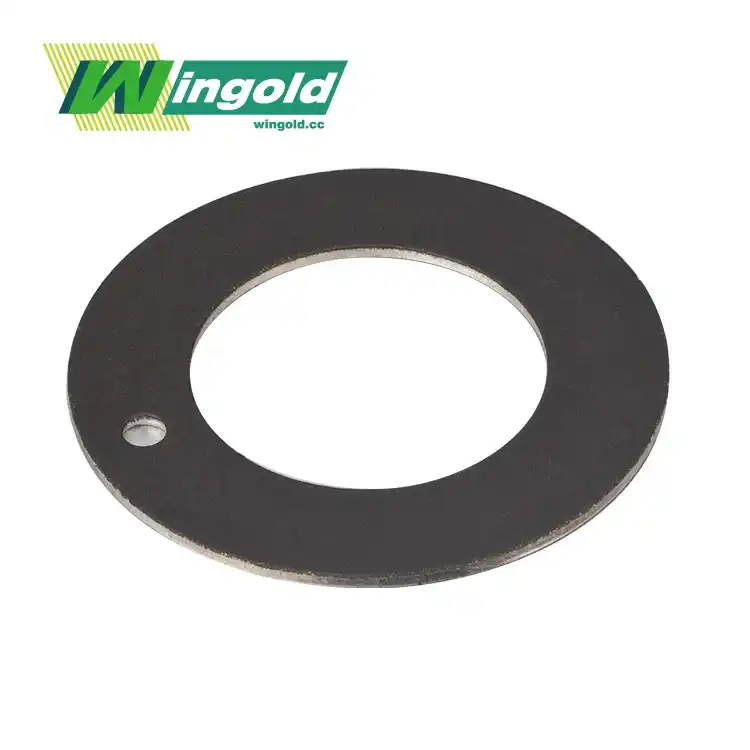
Different fitting needs can be met by custom bearing types. Not only do we make normal sleeve bushings, but we also make flanged bearings that make axial positioning easier, thrust washers for axial load uses, slide plates for linear motion systems, and custom skateboard configurations. This range covers all motion control needs in a wide range of businesses, from weaving machinery to papermaking machinery.
Minimum order numbers influence procurement planning. Many sellers have high minimum order quantities (MOQs), but Wingold can take orders as low as 100 pieces and offer custom packaging choices. This adaptability helps with prototyping projects and lets repair teams keep important spares on hand without having to spend too much on supplies.
Delivery and Supply Chain Considerations
Project schedules and emergency repair reactions are both affected by lead times in a direct way. Our streamlined production processes and effective transportation get parts to customers quickly, lowering the costs of machine failure. A production capacity of more than 10,000 tons per year guarantees supply, even for large orders that could put a strain on smaller producers.
Getting technical help during the whole buying process is a real plus that can be measured. One-on-one engineering help makes bearing selection easier and makes sure that the parts chosen really meet the needs of the application. This consultative method stops expensive mistakes in design that shorten the service life or cause it to fail before it's supposed to.
Global shipping skills serve international customers reliably. Whether your facility works in the United States or needs parts delivered to another country, established transportation networks make sure the parts get there on time and in good shape. Shipments come with paperwork that helps with customs processing and quality certification, which speeds up the getting process.
Maximizing the Lifespan of Your PTFE Plain Bearings: Best Practices
Choosing the right components is only the first step toward getting the longest service life. The actual longevity of a PTFE plain bearing is based on how it was installed, how it was monitored while it was running, and how it was maintained to avoid problems before they happen.
Proper Installation Techniques
Precise installation stops wear and motor stress before they happen. To press bearings into housings, you need to use controlled force to seat the parts without hurting the PTFE top or the bonding layers. When it comes to installation control, hydraulic presses with load tracking are better than hammer-based methods that bring shock loads.
During the first process, the preparation of the shaft surface affects the formation of the transfer film. It is important to clean the mating surfaces very well so that machine grease, rust inhibitors, and other contaminants are removed. Checking the measurements of the shaft to make sure they meet the clearance requirements is important. Too much clearance lets the bearing move, which speeds up wear, while not enough clearance causes friction and heat.
Alignment between bearing and shaft centerlines distributes loads uniformly. Angular imbalance puts most of the contact pressure on the sides of the bearings, which causes wear patterns that quickly use up all the PTFE thickness. Precision alignment during assembly, which can be checked with dial markers or laser systems, sets the stage for longer service life.
Monitoring and Maintenance Protocols
Regular inspections find wear and tear before they lead to a fatal failure. Visual inspection at regular maintenance times finds surface damage, darkening from burning, or changes in size that show too much wear. Monitoring plans that are tailored to the criticality of the equipment combine the number of inspections with the limited resources available for upkeep.
Vibration research can be used to spot problems early on. Increasing sound amplitudes or changed frequency patterns are often signs that a bearing is wearing out faster. Condition monitoring systems that keep track of these factors allow predictive maintenance plans that plan replacements for planned shutdowns instead of having to fix problems as they happen.
Temperature monitoring validates thermal performance. Infrared thermography can show when bearings are running hotter than expected, which could mean that there aren't enough gaps, the loads are too high, or the heat isn't being able to escape properly. The thermal baselines that were set up during startup are used for ongoing tracking as points of comparison.
Real-World Success Stories
A company that makes industrial vehicles that had a lot of problems with suspension bushings worked with Wingold to use PTFE plain bearings. The design that didn't need to be maintained got rid of the need for greasing and greatly reduced noise concerns. Bronze bushings had a service life of 18 months, but now they have over 60 months. This cut down on insurance costs and made customers happier.
Hydraulic equipment serving offshore platforms required bearings resistant to seawater exposure and capable of extended service intervals. Even though they had protective coats, standard brass parts corroded quickly. Chemicals had no effect on PTFE plain bearings, and they worked effectively through five-year maintenance cycles, which cut platform service costs by a large amount.
When textile machines used PTFE plain bearings instead of oil-based lubrication systems, contamination problems were no longer a problem. The clean process kept fabrics from getting stained and cut down on upkeep work. The supply of equipment got a lot better, which increased output and quickly paid for itself in the small amount of extra bearing cost.
Conclusion
Expected service life for PTFE plain bearings depends on how well the part's specs match the situations it will be used in. These self-lubricating parts usually last between 5,000 and 30,000 hours of use if they are properly chosen, installed, and inspected. In many cases, they last much longer. The three-layer composite structure strikes a balance between high mechanical strength and excellent tribological qualities. This makes solutions that don't need to be maintained possible in a wide range of industries. Professionals in procurement can get a competitive edge by carefully evaluating suppliers, looking at customizing options, and using best practices that make things last as long as possible. Strategically choosing bearings lowers the total cost of ownership, cuts down on unexpected downtime, and makes equipment more reliable.
FAQ
What factors most significantly affect bearing lifespan?
The PV factor, which is pressure times velocity, is the main factor that determines how fast a PTFE plain bearing wears out and how long it should last. The temperature at which something is used affects its features and how quickly it wears down. Long-term high temperatures speed up the wear process. The quality of the shaft's surface has a direct effect on how the transfer film forms and how friction works. Proper installation alignment distributes loads uniformly, preventing edge loading that concentrates wear. Chemical exposure and amounts of pollution in the surroundings also affect how long something lasts.
Do these bearings require external lubrication?
PTFE plain bearings are different from traditional copper bushings because they work well without external lubrication. The PTFE overlay moves material to shafts that fit together, making a strong lubricant contact that can be used again and again. Extra oil during the first run-in periods can help the transfer film form better. Compatible lubricants that improve heat absorption may help high-duty uses last longer than they could when they were running dry.
How do temperature extremes impact performance?
PTFE bearings work effectively from very cold temperatures (-195°C) all the way up to very hot temperatures (280°C), which is a wide range of temperatures that most other options can't handle. When something is used for a long time at temperatures above 260°C, its mechanical properties slowly decrease and it creeps faster. Rapid thermal switching puts stress on the points where two layers of material meet and connect. For applications that are close to temperature limits, thermal tracking and low load rates are needed to make sure the expected service life is met.
Partner With Wingold for Superior PTFE Plain Bearing Solutions
To get the most out of your equipment, you need PTFE plain bearings that are designed to work in your unique situations. Wingold is an expert in making high-performance products and has been doing this for more than 20 years. Our high-tech composite materials offer oil-free operation, resistance to wear, and longer service life, all of which lower your total cost of ownership. We manufacture flanged, sleeve, thrust washer, slide pad, and skateboard configurations in both standard and special sizes, with inner widths ranging from 3mm to 300mm.
Compliance with ISO 4383 and ASTM B22 standards is guaranteed by strict quality control. Our flexible 100-piece minimum orders and factory-direct prices help you reach your procurement goals, whether you need fast prototyping samples or large-scale production. Contact our engineering team at info@wingold.cc to talk about your needs and find out why top PTFE plain bearing makers choose Wingold for reliable, long-lasting solutions.
References
1. Smith, J.R. & Thompson, M.K. (2021). Tribological Performance of Composite Plain Bearings in Industrial Applications. Journal of Mechanical Engineering Science, Vol. 235, pp. 2847-2863.
2. Anderson, P.L. (2020). Materials Selection for Self-Lubricating Bearing Systems. Cambridge University Press, Manufacturing Engineering Series.
3. Chen, W. & Rodriguez, A. (2022). Service Life Prediction Models for PTFE-Lined Bearings Under Variable Load Conditions. Wear: An International Journal on the Science and Technology of Friction, Vol. 498-499, Article 204315.
4. International Organization for Standardization (2019). ISO 3547: Plain Bearings - Wrapped Bushes - Dimensions and Tolerances. Geneva: ISO Standards Catalogue.
5. Martinez, D.F. & Kumar, S. (2020). Failure Analysis and Preventative Maintenance Strategies for Industrial Bearing Systems. Reliability Engineering & System Safety, Vol. 203, Article 107094.
6. Wilson, T.H. (2021). Advanced Polymer Composites in Mechanical Engineering: Properties, Processing, and Performance. Springer Nature Engineering Materials Series, Second Edition.
Learn about our latest products and discounts through SMS or email