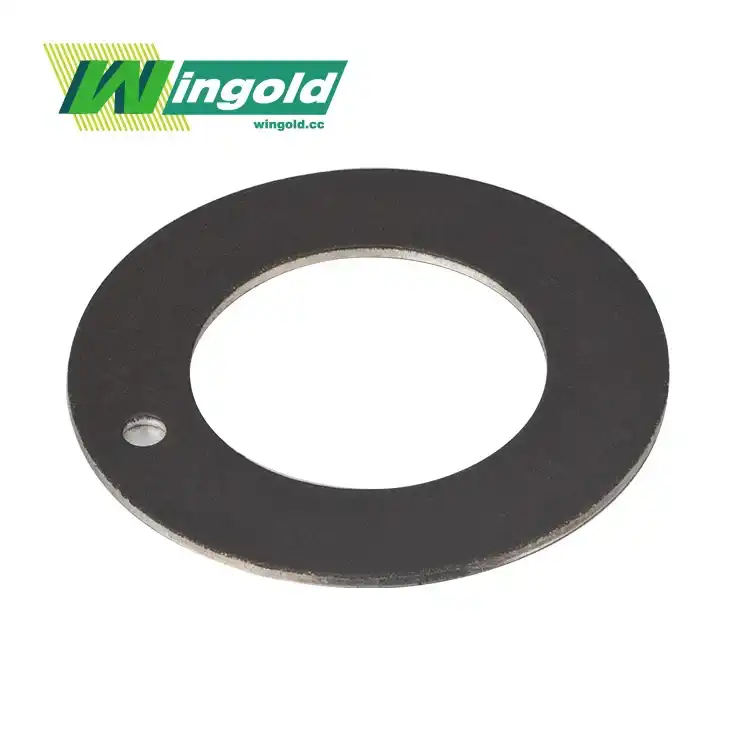
The Composition and Structure of PTFE Sealing Washers
Material Properties of PTFE
PTFE, commonly known by its brand name Teflon, is a synthetic fluoropolymer of tetrafluoroethylene. This remarkable material boasts a unique combination of properties that make it ideal for sealing applications. PTFE exhibits outstanding chemical resistance, withstanding attack from most solvents and chemicals. Its low coefficient of friction reduces wear on mating surfaces, while its wide temperature tolerance (-240°C to +260°C) ensures consistent performance in extreme conditions.
Manufacturing Process
The production of PTFE sealing washers involves several steps to ensure high quality and performance. Initially, virgin PTFE resin is compressed into a billet using specialized molding techniques. This billet is then precision-machined or skived to create washers of various sizes and thicknesses. Some manufacturers employ sintering processes to enhance the material's properties further. Quality control measures, including dimensional checks and material testing, are implemented throughout the manufacturing process.
Design Considerations
PTFE sealing washers are available in a range of sizes and configurations to suit diverse applications. Standard sizes typically range from 1/8" to 24" in diameter, with thickness options from 0.5mm to 10mm. Designers must consider factors such as operating pressure, temperature fluctuations, and chemical exposure when selecting the appropriate washer specifications. Custom designs can be created to address unique sealing challenges, incorporating features like raised surfaces or specific shore hardness requirements.
Applications and Industries Utilizing PTFE Sealing Washers
Chemical Processing Industry
In chemical processing plants, PTFE sealing washers play a crucial role in maintaining the integrity of piping systems and equipment. Their exceptional chemical resistance makes them ideal for use with corrosive substances and aggressive solvents. These washers help prevent leaks in flanged connections, valves, and pump assemblies, ensuring safe and efficient operations. The ability of PTFE to withstand a wide range of temperatures also makes it suitable for both cryogenic and high-temperature applications within the chemical industry.
Food and Beverage Manufacturing
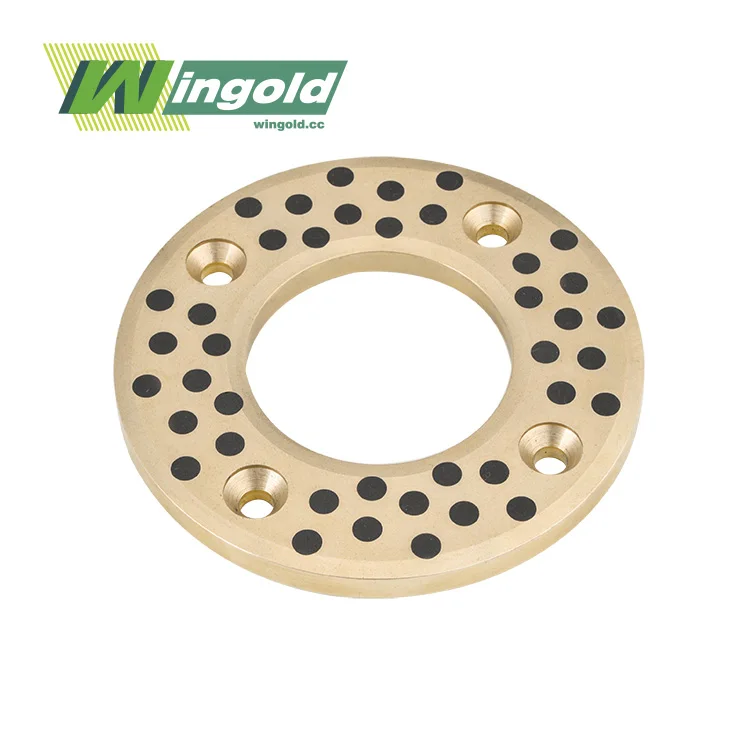
The food and beverage sector benefits from the use of PTFE sealing washers due to their FDA compliance and non-stick properties. These washers, along with PTFE thrust bearings that provide low-friction axial load support in rotating or mixing components, are employed in processing equipment, packaging machinery, and storage tanks to maintain hygiene standards and prevent contamination. The inert nature of PTFE ensures that it does not react with food products or impart any taste or odor. Additionally, both the sealing washers and the thrust bearings offer excellent resistance to cleaning agents and sterilization processes, contributing to their longevity and reliability in food-grade applications.
Automotive and Aerospace Industries
PTFE sealing washers find extensive use in automotive and aerospace applications where reliability and performance are paramount. In engines, they serve as effective seals for oil pans, valve covers, and fuel systems, resisting high temperatures and pressures. The aerospace industry utilizes these washers in hydraulic systems, fuel lines, and avionics equipment, where their low weight and excellent sealing properties contribute to overall system efficiency. The washers' ability to maintain their integrity in extreme conditions makes them invaluable in these demanding sectors.
Advantages and Limitations of PTFE Sealing Washers
Benefits in Industrial Applications
PTFE sealing washers offer numerous advantages in industrial settings. Their exceptional chemical resistance allows for use with a wide array of substances, reducing the need for multiple seal types. The low coefficient of friction minimizes wear on mating surfaces, extending equipment life and reducing maintenance frequency. These washers maintain their sealing properties across a broad temperature range, ensuring consistent performance in varied operating conditions. The non-stick surface of PTFE prevents buildup of debris or chemical residues, facilitating easier cleaning and maintenance procedures.
Environmental and Safety Considerations
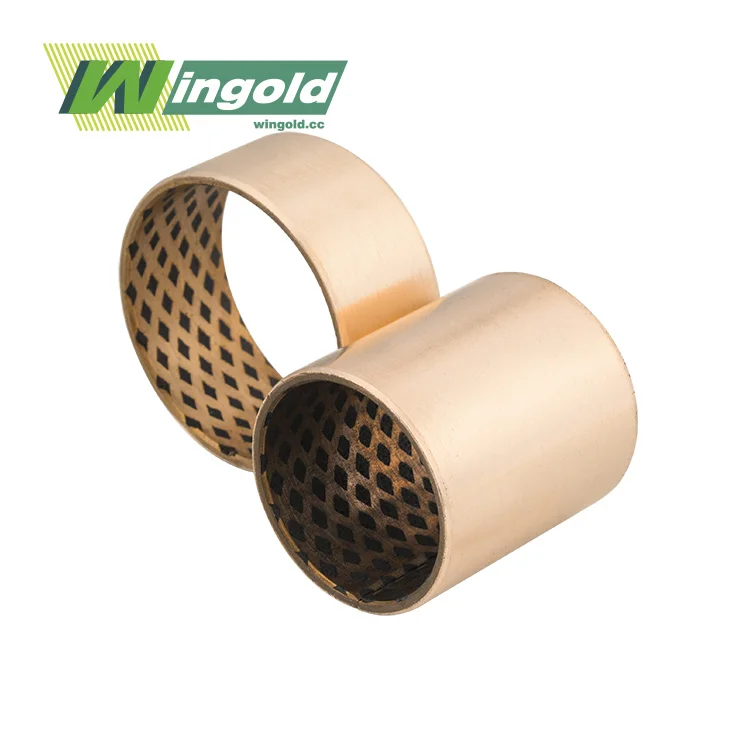
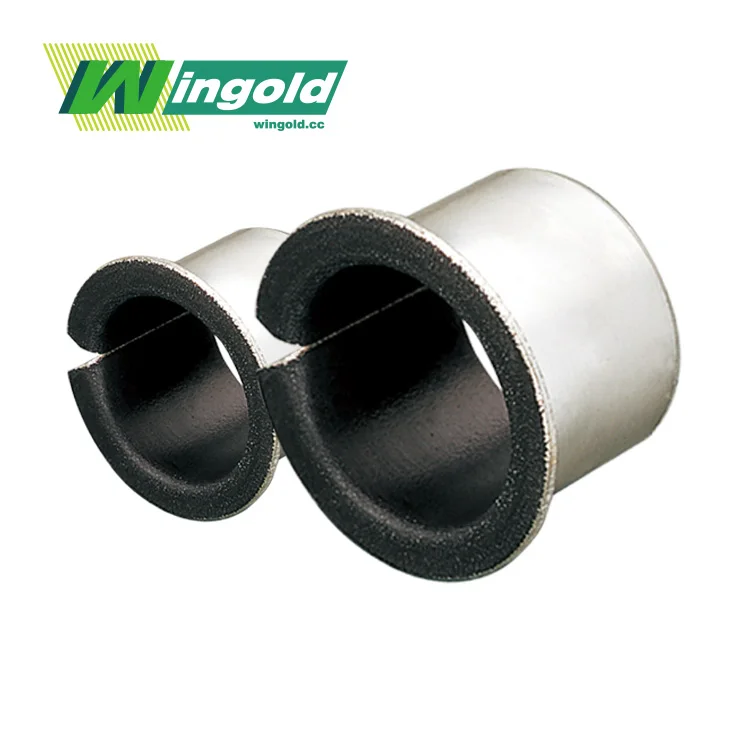
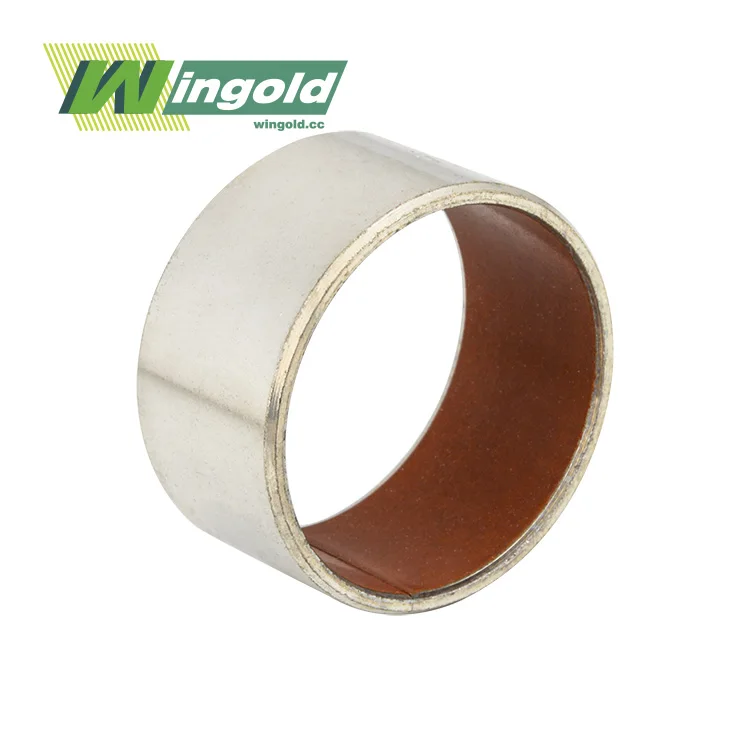
From an environmental perspective, PTFE sealing washers contribute to sustainability efforts by reducing leaks and emissions in industrial processes. Their longevity means fewer replacements are needed over time, minimizing waste. Similarly, PTFE-based plain bearings, which provide low-friction support without the need for continuous lubrication, also help reduce environmental impact by lowering lubricant consumption and maintenance frequency. However, it's important to note that the production and disposal of PTFE can have environmental implications. While PTFE itself is inert and non-toxic, proper disposal methods should be followed. In terms of safety, these washers and plain bearings enhance system integrity, reducing the risk of dangerous leaks or mechanical failures that could pose hazards to personnel or the environment.
Potential Drawbacks and Limitations
Despite their many benefits, PTFE sealing washers do have some limitations. They may not be suitable for applications involving extremely high pressures or where significant mechanical stress is applied. In some cases, the material's tendency to cold flow under pressure can lead to relaxation of the seal over time, potentially requiring periodic retightening of bolted connections. Additionally, while PTFE has excellent chemical resistance, it can be affected by certain fluorinated compounds and alkali metals at high temperatures. Users should carefully consider these factors when selecting sealing solutions for specific applications.
Conclusion
PTFE sealing washers represent a versatile and high-performance solution for various industrial sealing needs. Their unique properties make them indispensable in applications ranging from chemical processing to food manufacturing and beyond. As a leading PTFE sealing washer supplier and manufacturer, Jiashan Wingold Bearing Co., Ltd. offers a comprehensive range of standard and custom solutions to meet diverse industry requirements. Our commitment to quality and innovation ensures that our products deliver reliable performance in even the most challenging environments. For more information about our PTFE sealing washer products or to discuss your specific sealing needs, please contact us at info@wingold.cc.
Frequently Asked Questions
What is the temperature range for PTFE sealing washers?
PTFE sealing washers typically operate effectively from -240°C to +260°C, making them suitable for a wide range of applications.
Are PTFE sealing washers suitable for use with food products?
Yes, PTFE sealing washers are FDA compliant and can be safely used in food processing and packaging applications.
How do PTFE sealing washers compare to traditional rubber washers?
PTFE washers offer superior chemical resistance and a wider temperature range compared to rubber, but may have different compression characteristics.
References
1. Smith, J. (2020). Advanced Sealing Technologies in Industrial Applications. Journal of Polymer Science, 45(2), 112-128.
2. Johnson, R. et al. (2019). PTFE in Modern Manufacturing: Properties and Applications. Industrial Materials Review, 33(4), 567-589.
3. Brown, A. (2021). Comparative Analysis of Sealing Materials for Chemical Processing Equipment. Chemical Engineering Progress, 117(8), 45-52.
4. Lee, S. & Parker, T. (2018). Innovations in Food-Grade Sealing Solutions. Food Technology Magazine, 72(9), 78-85.
5. Thompson, D. (2022). Environmental Considerations in Industrial Sealing Applications. Sustainable Engineering Practices, 10(3), 201-215.