The Innovative Design of PTFE Thrust Bearings
Multilayer Structure for Enhanced Performance
PTFE thrust bearings boast a sophisticated multilayer design that significantly contributes to their exceptional performance. At the core of this design is a robust steel back, which provides the necessary strength and rigidity to withstand high axial loads. This steel foundation ensures proper positioning during assembly and effectively distributes the bearing pressure.
Atop the steel back lies a layer of porous bronze. This intermediate layer serves a dual purpose: it acts as a bonding agent between the steel and the PTFE layer while also contributing to the overall friction reduction. The porous nature of the bronze allows it to retain small amounts of lubricant, further enhancing the bearing's performance.
The outermost layer consists of PTFE (Polytetrafluoroethylene), a high-performance polymer known for its outstanding tribological properties. This PTFE layer is the key to the bearing's self-lubricating capabilities, providing a low-friction surface that ensures smooth operation even in dry-running conditions. The unique properties of PTFE, including its chemical inertness and wide temperature tolerance, make these bearings suitable for a diverse range of applications.
Self-Lubricating Properties: A Game-Changer in Bearing Technology
The self-lubricating nature of PTFE thrust bearings represents a significant advancement in bearing technology. Unlike traditional bearings that require regular lubrication, PTFE bearings can operate efficiently without external lubricants. This self-lubricating property stems from PTFE's ability to form a thin, slippery film on the bearing surface during operation.
As the bearing rotates, microscopic particles of PTFE are transferred to the mating surface, creating a self-replenishing lubricating layer. This process, known as transfer film formation, ensures consistent low-friction performance throughout the bearing's lifespan. The elimination of external lubrication not only simplifies maintenance but also makes these bearings ideal for applications where contamination from lubricants must be avoided, such as in food processing or clean room environments.
Versatility in Design and Application
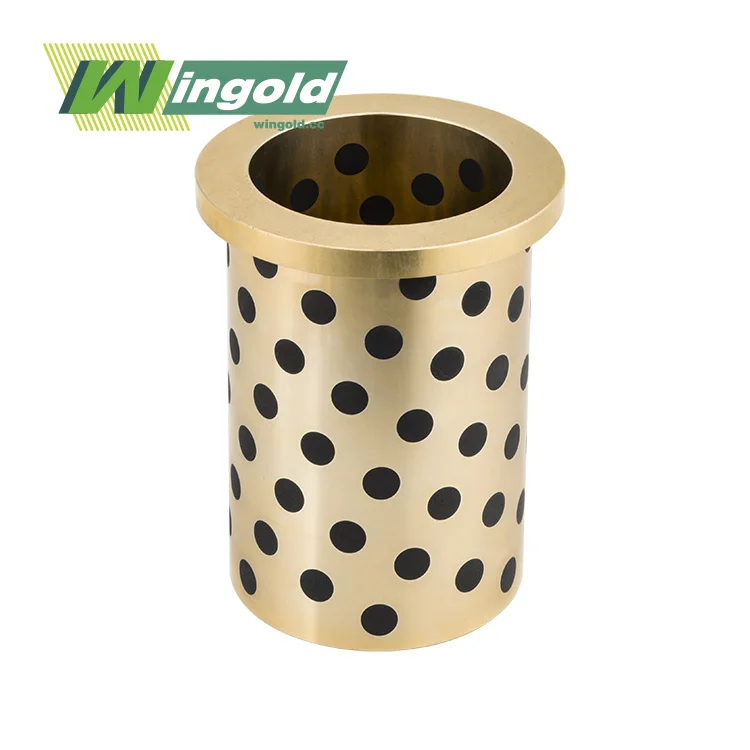
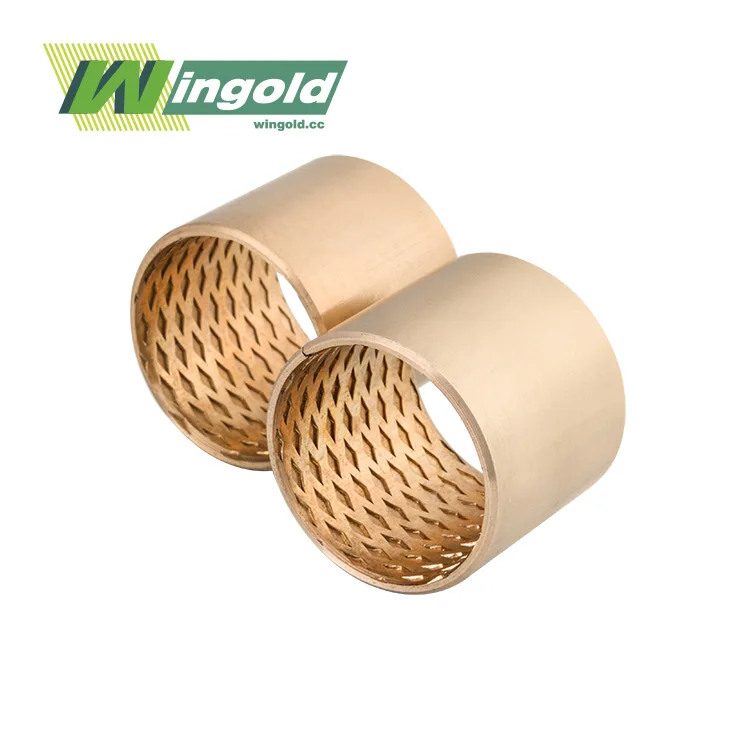
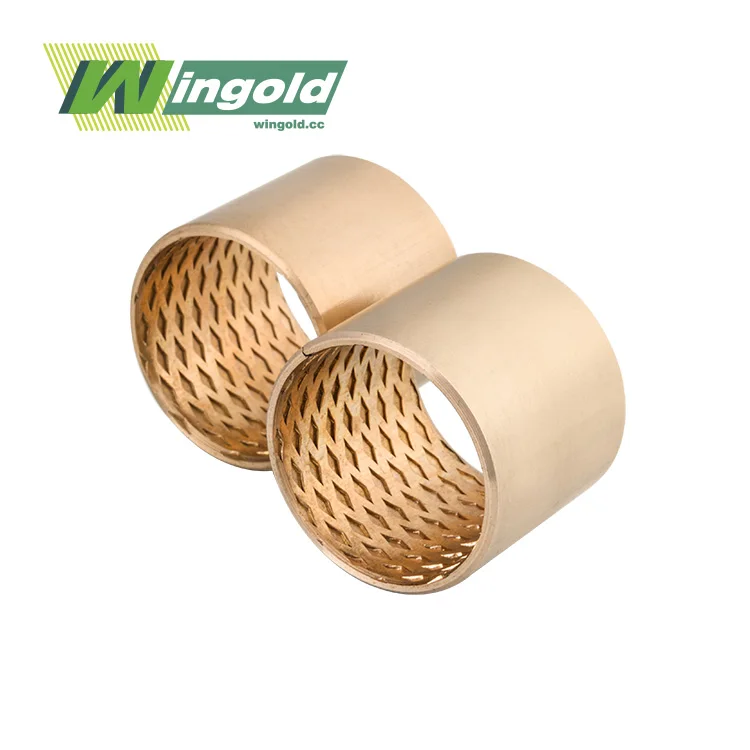
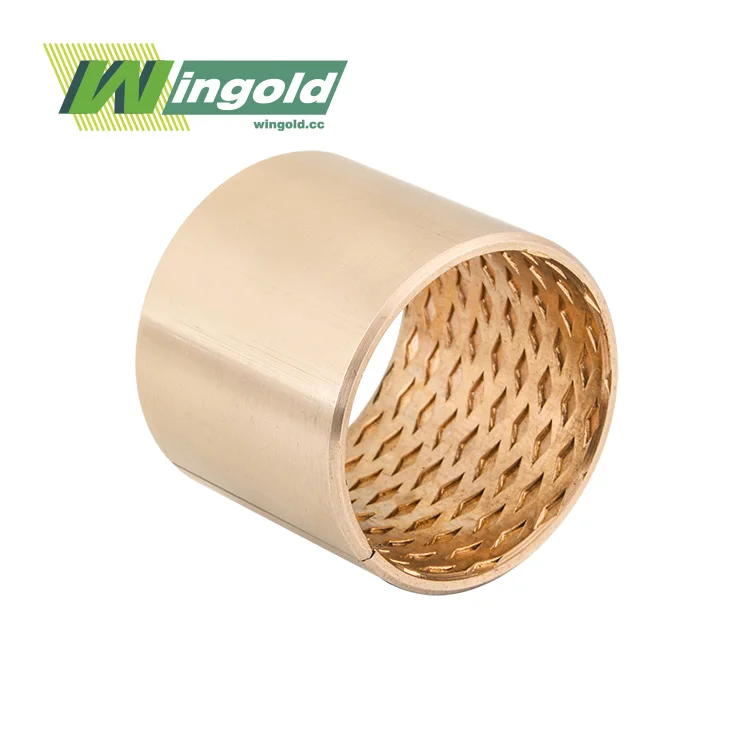
PTFE thrust bearings offered by manufacturers like Wingold come in various standard sizes and configurations to suit different application needs. These include flanged bearings, sleeve bearings, PTFE shim washers, slide pads, plain bearings, and even specialized designs for applications like skateboards. This versatility allows engineers to select the most appropriate bearing type for their specific requirements.
Moreover, the adaptability of PTFE thrust bearings extends to their manufacturing process. Depending on the application demands, these bearings can be produced through various methods including turning, injection molding, extrusion, stamping, forging, or milling. This flexibility in production techniques enables customization to meet unique specifications, ensuring optimal performance across a wide range of industries.
Superior Performance Characteristics of PTFE Thrust Bearings
Low Friction and Wear Resistance
One of the most notable performance characteristics of PTFE thrust bearings is their exceptionally low coefficient of friction. Typically ranging from 0.02 to 0.08, this low friction property translates to reduced energy consumption and heat generation during operation. The self-lubricating nature of PTFE further enhances this low-friction performance, maintaining smooth operation even under boundary lubrication conditions.
In addition to low friction, PTFE thrust bearings exhibit remarkable wear resistance. The PTFE layer's ability to form a transfer film on the mating surface significantly reduces wear on both the bearing and the counterface. This wear resistance contributes to extended service life and reduced maintenance requirements, making these bearings a cost-effective solution for many applications.
High Load Capacity and Temperature Resistance
Despite their low-friction properties, PTFE thrust bearings are capable of handling substantial loads. With load capacities reaching up to 140 MPa, these bearings can withstand significant axial forces, making them suitable for demanding industrial applications. The steel backing and porous bronze layer contribute to this high load-bearing capacity, providing the necessary structural support.
Another impressive feature of PTFE thrust bearings is their wide temperature tolerance. These bearings can operate effectively across an extensive temperature range, typically from -200°C to +260°C. This broad temperature capability makes them ideal for applications involving extreme thermal conditions, from cryogenic equipment to high-temperature industrial processes.
Chemical Resistance and Environmental Adaptability
PTFE's inherent chemical inertness endows these thrust bearings with exceptional resistance to a wide range of chemicals, acids, and solvents. This chemical resistance makes them suitable for use in corrosive environments where other bearing materials might degrade rapidly. Industries such as chemical processing, pharmaceuticals, and food production benefit greatly from this property.
Furthermore, the environmental adaptability of PTFE thrust bearings extends to their ability to operate in both wet and dry conditions. Unlike many conventional bearings that rely on oil or grease lubrication, PTFE bearings can function effectively in the presence of water, steam, or other fluids. This versatility simplifies design considerations and expands the potential applications for these bearings.
Applications and Industries Benefiting from PTFE Thrust Bearings
Diverse Industrial Applications
PTFE thrust bearings find applications across a wide spectrum of industries, owing to their unique combination of properties. In the automotive sector, these bearings are used in various components such as steering systems, suspension units, and transmission assemblies. Their low friction and wear resistance contribute to improved fuel efficiency and reduced maintenance needs.
In the aerospace industry, PTFE thrust bearings play a crucial role in aircraft control systems, landing gear, and engine components. The ability to withstand extreme temperatures and operate without external lubrication makes them ideal for the demanding conditions encountered in aviation.
The marine industry also benefits from PTFE thrust bearings, particularly in applications such as rudder systems, propeller shafts, and deck equipment. Their resistance to corrosion and ability to operate in wet environments make them well-suited for marine applications.
Specialized Equipment and Machinery
PTFE thrust bearings excel in specialized equipment and machinery where traditional bearings might fall short. When used alongside PTFE sealing washers, they provide enhanced reliability in environments requiring both low friction and effective sealing. In food processing equipment, for instance, these bearings are preferred due to their ability to operate without external lubricants, eliminating the risk of food contamination. Similarly, in pharmaceutical manufacturing, the chemical inertness of PTFE bearings ensures product purity and compliance with stringent industry regulations.
In the textile industry, PTFE thrust bearings are used in various machines such as spinning frames, weaving looms, and knitting machines. Their low friction properties contribute to smoother operation and reduced wear on textile fibers.
The renewable energy sector, particularly wind turbines, also employs PTFE thrust bearings in pitch control systems and yaw bearings. The ability to handle high loads and operate in diverse weather conditions makes them ideal for this application.
Emerging Applications in Advanced Technologies
As technology advances, new applications for PTFE thrust bearings continue to emerge. In the field of robotics, these bearings are increasingly used in joint mechanisms and actuators, where their low friction and compact design contribute to precise movements and energy efficiency.
In medical devices, PTFE thrust bearings find applications in equipment such as CT scanners, MRI machines, and surgical robots. Their ability to operate silently and withstand sterilization processes makes them valuable in healthcare settings.
The growing field of nanotechnology also benefits from PTFE thrust bearings, particularly in precision instruments and manufacturing equipment where minimal friction and high accuracy are crucial.
Conclusion
PTFE thrust bearings represent a significant advancement in bearing technology, offering a unique combination of low friction, high load capacity, and versatile performance across diverse applications. Their innovative design, featuring a multilayer structure with self-lubricating properties, provides solutions to challenges in various industries, from automotive and aerospace to food processing and medical devices.
As a leading PTFE thrust bearing supplier and manufacturer, Wingold Bearing continues to push the boundaries of bearing technology, offering customized solutions to meet the evolving needs of industries worldwide. Our commitment to quality, innovation, and customer satisfaction ensures that we deliver top-notch products that exceed expectations.
For more information about our PTFE thrust bearings and how they can benefit your specific application, please don't hesitate to contact us at info@wingold.cc. Our team of experts is ready to assist you in finding the perfect bearing solution for your needs.
FAQs
What makes PTFE thrust bearings different from traditional bearings?
PTFE thrust bearings are self-lubricating, have lower friction, and can operate in extreme temperatures and corrosive environments.
Can PTFE thrust bearings be customized for specific applications?
Yes, Wingold offers customized PTFE thrust bearings tailored to meet specific needs and requirements.
What is the typical lifespan of a PTFE thrust bearing?
The lifespan varies depending on operating conditions, but PTFE thrust bearings generally offer extended service life due to their wear-resistant properties.
Are PTFE thrust bearings suitable for high-speed applications?
Yes, these bearings can perform well in both low-speed and high-speed applications, with speed limits up to 2 m/s.
How do I choose the right PTFE thrust bearing for my application?
Contact Wingold's expert team at info@wingold.cc for guidance on selecting the optimal bearing for your specific needs.