The Evolution of Automotive Bushings: From Traditional to PTFE Composite
Automotive bushings have undergone a significant transformation over the years. Traditional rubber bushings, while effective in their time, often fell short in terms of durability and performance under extreme conditions. The introduction of PTFE composite bushings marked a pivotal moment in automotive engineering, addressing many of the limitations of their predecessors.
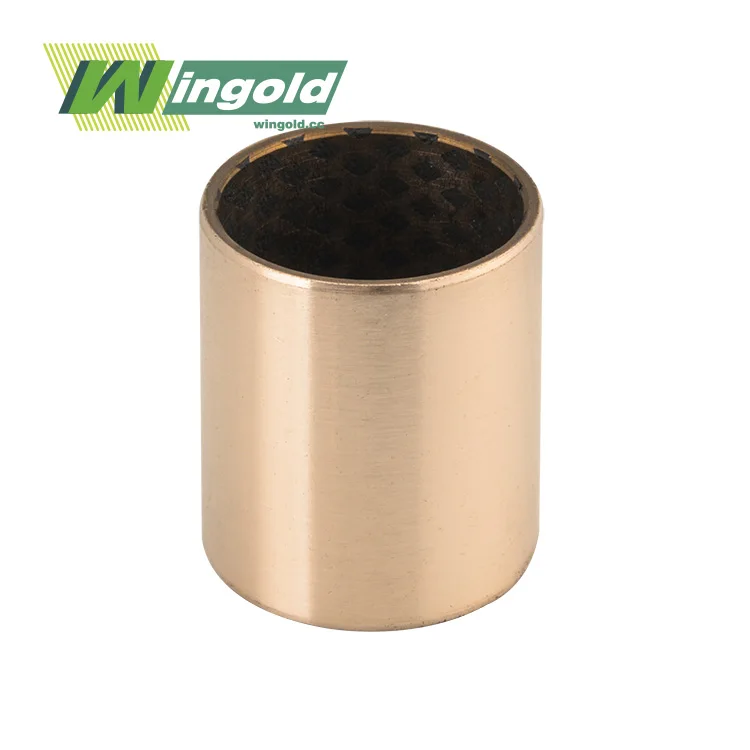
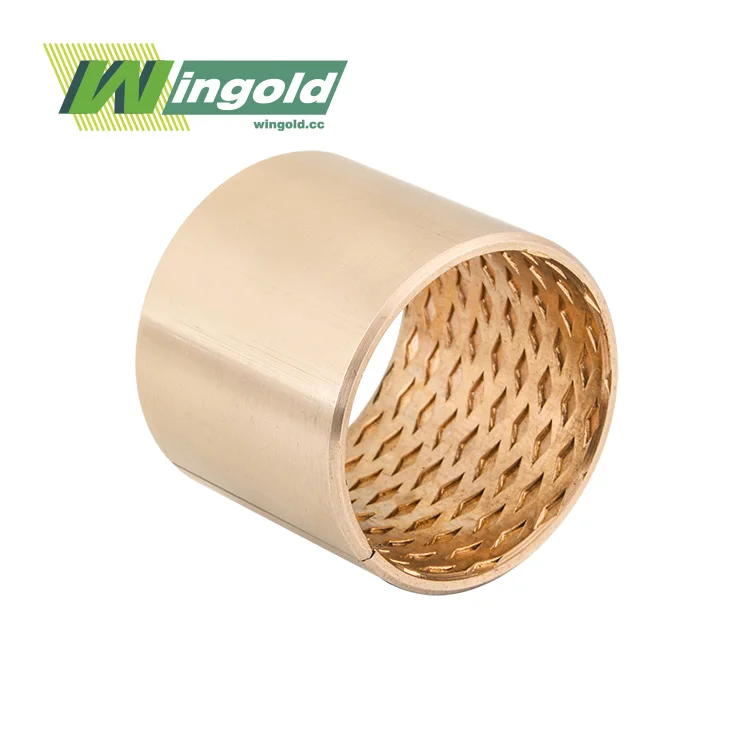
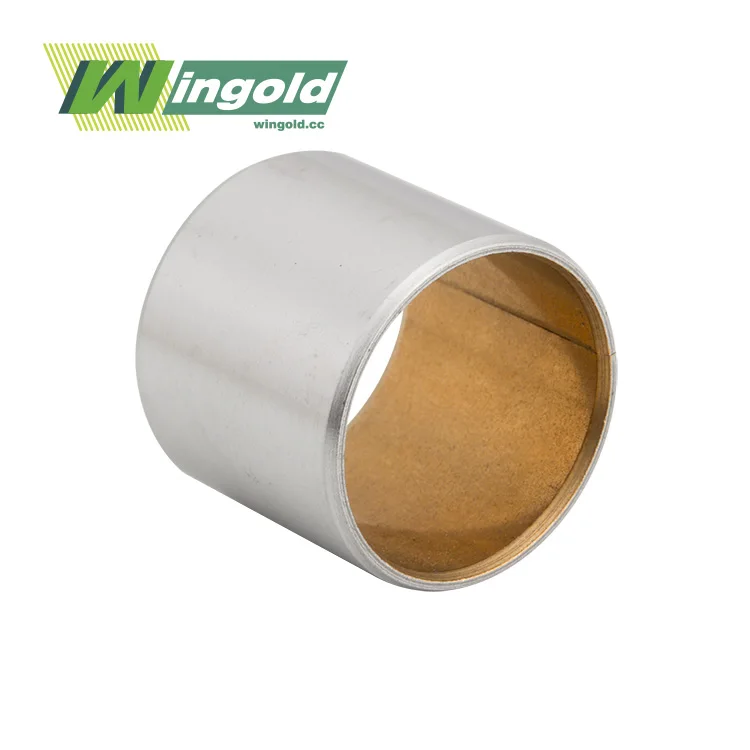
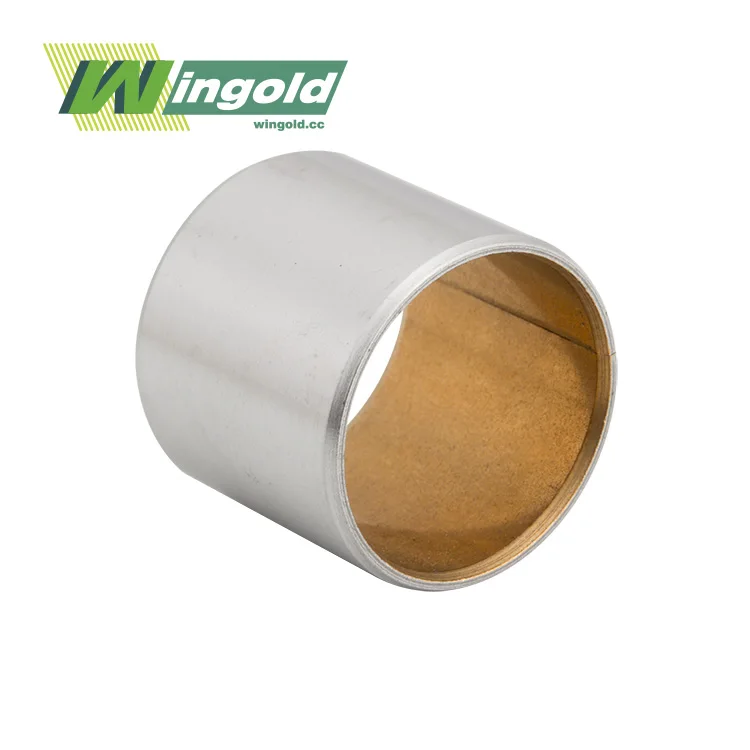
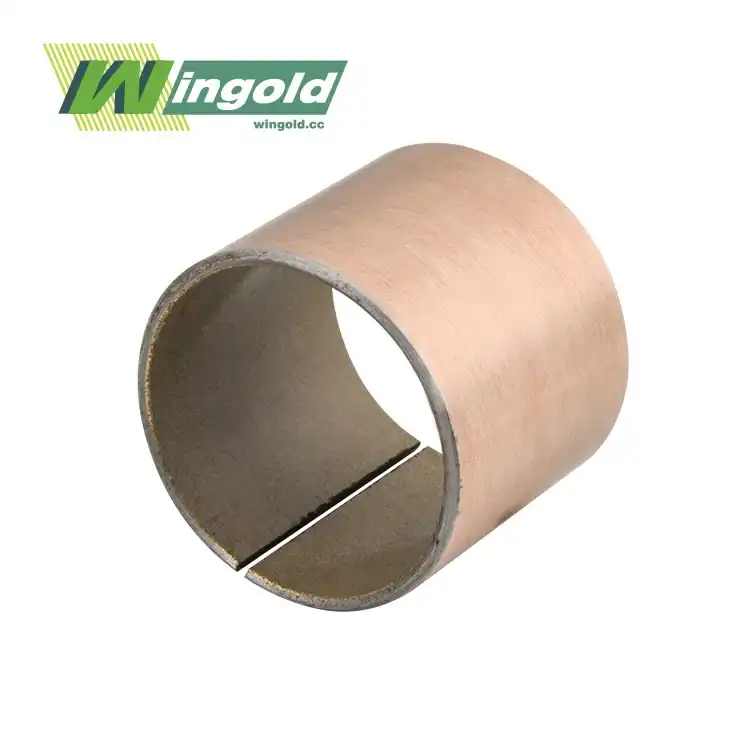
PTFE composite bushings boast a unique structure that contributes to their superior performance. These bushings typically consist of a steel backing for rigidity, a layer of sintered bronze powder for strength, and a PTFE-based sliding layer. This composition allows for exceptional load-bearing capacity while maintaining the self-lubricating properties that PTFE is renowned for.
Advantages of PTFE Composite Bushings in Automotive Applications
The benefits of PTFE composite bushings in automotive applications are numerous and significant:
- Low Friction: The PTFE layer provides an incredibly low coefficient of friction, ranging from 0.02 to 0.08. This reduction in friction translates to smoother operation, reduced wear on mating parts, and improved fuel efficiency.
- High Load Capacity: With the ability to withstand loads up to 140 N/mm², these bushings can handle the rigorous demands of automotive applications without deformation or failure.
- Self-Lubricating: The elimination of external lubrication requirements reduces maintenance needs and prevents contamination in sensitive areas of the vehicle.
- Chemical Resistance: PTFE's inherent resistance to chemicals makes these bushings ideal for use in areas exposed to automotive fluids and environmental contaminants.
- Temperature Stability: With an operational range from -200°C to +280°C, PTFE composite bushings maintain their performance characteristics across the extreme temperature variations encountered in automotive environments.
- Dimensional Stability: The composite structure ensures minimal deformation under load and temperature fluctuations, maintaining precise tolerances throughout the bushing's lifespan.
Applications of PTFE Composite Bushings in Modern Vehicles
PTFE composite bushings have found their way into numerous automotive applications, enhancing vehicle performance and reliability across various systems:
Suspension Systems
In suspension systems, PTFE composite bushings play a crucial role in improving ride quality and handling. They are commonly used in control arms, stabilizer bars, and shock absorber mountings. PTFE coated washers are often integrated alongside these bushings to provide additional low-friction interfaces, helping maintain consistent torque and reducing wear at mounting points. The low-friction properties of both components allow for smoother suspension movement, resulting in better road feel and reduced vibration transmission to the vehicle body.
Steering Mechanisms
Steering systems benefit greatly from PTFE composite bushings. Used in tie rods, rack and pinion assemblies, and steering columns, these bushings provide precise steering control with minimal play. The self-lubricating nature of PTFE ensures smooth operation throughout the vehicle's lifespan, even under high-stress conditions.
Powertrain Components
In powertrain applications, PTFE composite bushings are utilized in areas such as transmission mounts, driveshaft supports, and differential housings. Their ability to withstand high loads and operate efficiently at varying temperatures makes them ideal for these critical components, contributing to improved power transmission and reduced drivetrain losses.
Customization and Future Trends in PTFE Composite Bushing Technology
The automotive industry's constant evolution demands ongoing innovation in bushing technology. Manufacturers like Wingold are at the forefront of this innovation, offering customized PTFE composite bushings tailored to specific vehicle requirements. In addition, PTFE plain bearings are increasingly integrated into various automotive motion and pivot points, providing low-friction, maintenance-free performance that complements advanced bushing designs and supports overall system durability.
Customization Options
Custom PTFE composite bushings can be designed to meet unique specifications:
- Size Variations: With inner diameters ranging from 5mm to 300mm, wall thicknesses from 0.5mm to 5mm, and lengths up to 500mm, these bushings can be tailored to fit virtually any automotive application.
- Material Composition: The PTFE layer can be modified with additives to enhance specific properties such as wear resistance or load-bearing capacity.
- Backing Material: While steel is common, alternative backing materials can be used to meet specific weight or corrosion resistance requirements.
Emerging Trends
As automotive technology advances, so too does PTFE composite bushing technology:
- Eco-Friendly Formulations: Manufacturers are developing PTFE composites that are free from harmful substances like lead, aligning with global environmental regulations.
- Enhanced Heat Dissipation: Research is ongoing to improve the thermal conductivity of PTFE composite bushings, allowing for better performance in high-temperature applications.
- Integration with Smart Technologies: Future PTFE composite bushings may incorporate sensors for real-time monitoring of wear and performance, contributing to predictive maintenance strategies in vehicles.
Conclusion
Custom PTFE composite bushings have proven to be a game-changer in automotive applications, offering a unique combination of low friction, high load capacity, and durability. As vehicles continue to evolve, the demand for these advanced bushings is expected to grow. Wingold, as a leading PTFE composite bushing supplier and manufacturer, is committed to driving innovation in this field, providing customized solutions that meet the exacting standards of the automotive industry.
For those seeking to enhance their automotive designs with state-of-the-art bushing technology, exploring the possibilities offered by custom PTFE composite bushings is a step towards achieving superior vehicle performance and reliability. To learn more about how these innovative components can benefit your automotive applications, contact Wingold at info@wingold.cc.
FAQ
What makes PTFE composite bushings superior to traditional rubber bushings?
PTFE composite bushings offer lower friction, higher load capacity, better chemical resistance, and improved temperature stability compared to rubber bushings. They also require no external lubrication and maintain their performance over a longer lifespan.
Can PTFE composite bushings be used in high-temperature automotive applications?
Yes, PTFE composite bushings can operate efficiently in temperatures ranging from -200°C to +280°C, making them suitable for various high-temperature automotive applications.
Are custom PTFE composite bushings more expensive than standard bushings?
While the initial cost may be higher, custom PTFE composite bushings often prove more cost-effective in the long run due to their extended lifespan, reduced maintenance requirements, and improved vehicle performance.