- English
- French
- German
- Portuguese
- Spanish
- Russian
- Japanese
- Korean
- Arabic
- Greek
- German
- Turkish
- Italian
- Danish
- Romanian
- Indonesian
- Czech
- Afrikaans
- Swedish
- Polish
- Basque
- Catalan
- Esperanto
- Hindi
- Lao
- Albanian
- Amharic
- Armenian
- Azerbaijani
- Belarusian
- Bengali
- Bosnian
- Bulgarian
- Cebuano
- Chichewa
- Corsican
- Croatian
- Dutch
- Estonian
- Filipino
- Finnish
- Frisian
- Galician
- Georgian
- Gujarati
- Haitian
- Hausa
- Hawaiian
- Hebrew
- Hmong
- Hungarian
- Icelandic
- Igbo
- Javanese
- Kannada
- Kazakh
- Khmer
- Kurdish
- Kyrgyz
- Latin
- Latvian
- Lithuanian
- Luxembou..
- Macedonian
- Malagasy
- Malay
- Malayalam
- Maltese
- Maori
- Marathi
- Mongolian
- Burmese
- Nepali
- Norwegian
- Pashto
- Persian
- Punjabi
- Serbian
- Sesotho
- Sinhala
- Slovak
- Slovenian
- Somali
- Samoan
- Scots Gaelic
- Shona
- Sindhi
- Sundanese
- Swahili
- Tajik
- Tamil
- Telugu
- Thai
- Ukrainian
- Urdu
- Uzbek
- Vietnamese
- Welsh
- Xhosa
- Yiddish
- Yoruba
- Zulu
What are the lubrication methods for bronze bushings?
Bronze bushing lubrication is an important tribological system where solid lubricants, fluid films, or designed porous structures all work together to keep moving surfaces apart and reduce friction. By keeping the bushing and moving shaft from touching metal, proper lubricant increases the life of the bearing. Different methods are used, such as applying grease by hand through cut oil holes or making designs that are self-lubricating with graphite plugs or oil-soaked sintered brass. Each method is designed to deal with different types of loads, working speeds, and environmental problems in a wide range of fields, from mining tools to marine propulsion systems.
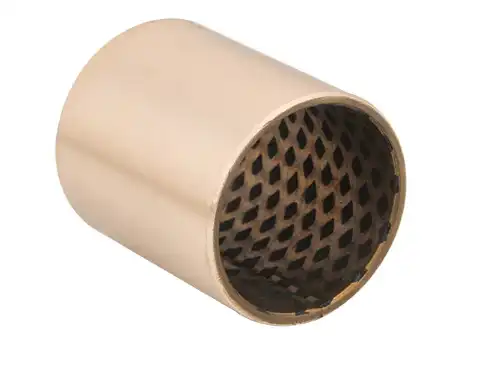
Understanding Bronze Bushing Lubrication
Bronze bushing lubrication isn't just a housekeeping job; it's the key to making sure that equipment works well. The right way to lubricate your equipment has a direct effect on how long it works and how much it costs to maintain.
Why Proper Lubrication Matters for Bronze Bearings?
Bronze bushings work in sliding contact regimes, which means that their sides are always rubbing against each other. Without enough grease, friction creates too much heat, which causes materials to rust and catastrophic bushing failure. We've seen equipment managers have to deal with expensive downtime because a $50 nut broke because it wasn't oiled properly. Bronze bearings usually have a coefficient of friction between 0.08 and 0.15 when they are well oiled, but it can go up to 0.30 or higher when the oiled films break down. When lubricant works well, it makes a barrier, whether it's fluid or solid, that keeps metal from touching directly. This buffer takes in heat, softens impact loads, and even helps clean out wear debris that would otherwise speed up the breakdown. The load-carrying capacity and temperature stability of your bearing rest on how well you take care of this protective layer.
Recognizing Signs of Insufficient Lubrication
Equipment doesn't usually break down without any signs. More noise during operation, especially screaming or grinding sounds, is often a sign of border lubrication, which means that surfaces are touching each other sometimes. Temperature readings are another important sign; bushings that are 20 to 30°F above their usual working temperatures mean that there isn't enough oil or that the lubricant's properties have been lost. Visual inspection during routine repair shows signs of wear that happened before they should have. Check for darkening in the bushing hole, scoring marks on the shafts that fit together, or metal shavings in the lubricant containers. These signs usually show up a long time before the whole thing breaks down. This gives repair teams time to step in and stop further damage to expensive machinery parts.
Wet Versus Dry Lubrication Approaches
The difference between wet and dry ways affects how you do all of your upkeep. When you use wet lubrication, fluids like oils or greases move and cover the bearing surfaces. This method works great in high-speed situations where getting rid of heat is important, since it reduces friction while continuously cooling the system. Transmission joints and hydraulic pump bearings in cars usually depend on systems that circulate oil and keep the right temperature at the same time. For dry lubrication, solid materials like molybdenum disulfide, graphite, or PTFE are mixed into a metal matrix. In tough conditions, these systems work great because liquid lubrication would wash away, evaporate, or pick up dirt. Solid lube technologies work reliably when fluid films would fail, which is helpful for construction equipment that works in dusty mines and marine winch systems that are exposed to saltwater.
Common Lubricant Types in Industrial Applications
When greasing is done by hand, greases are most common because their semi-solid form stays where it's put on and doesn't drip off. Lithium complex greases can work with temperatures ranging from -20°C to 130°C and won't wash off in water, so they can be used on most general industrial gear. Polyurea greases work in places where heat is an issue, like kiln bearings and dryer drums, where the temperature range is extended to 180°C.
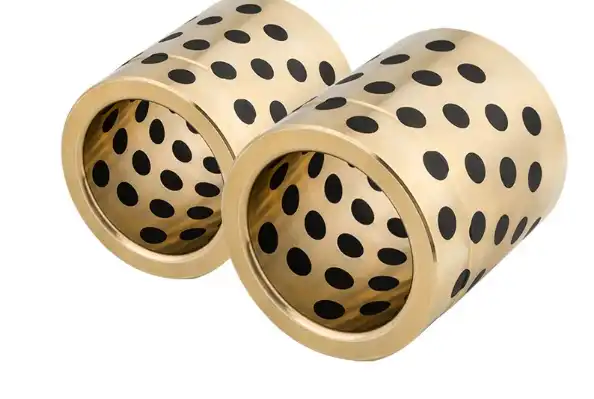
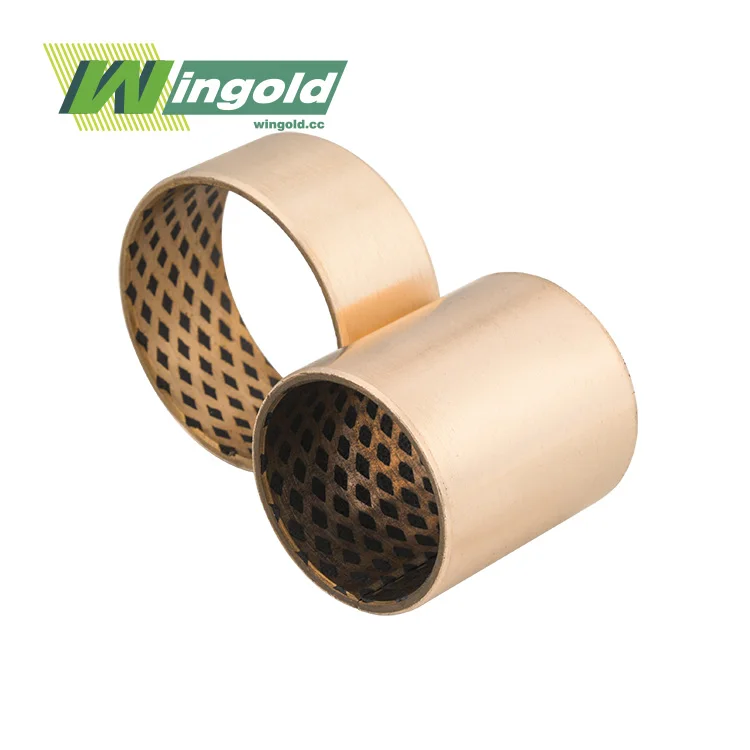
Circulating oils are used to cool down high-speed machines all the time. The viscosity grades ISO VG 68 to VG 150 work well for most bronze bushing uses. Which grade to use depends on the speeds and temperatures of the operation. Most of the time, these oils have anti-wear ingredients in them, such as zinc dialkyldithiophosphate (ZDDP), which creates safe chemical films when the oil is used at the border. Solid film lubricants that are built in during production make solutions that don't need to be maintained. Our high-density copper alloy bushings have rolled diamond or hemispherical oil indentations that hold solid lubricants throughout their service life. This means that they don't need to be re-oiled in situations where access is hard or impossible.
Key Lubrication Methods for Bronze Bushings
To choose the right lubrication method, you need to match the working needs of your equipment with its realistic upkeep needs. We'll look at tried-and-true methods that repair teams and equipment makers use every day in a wide range of industries.
Manual Lubrication Techniques and Intervals
Manual methods are still the most common way to perform bronze bushing lubrication in easily available equipment. During planned downtime, grease brushes let workers apply controlled amounts straight to bushings that are out in the open. This method works well for pivot points that move slowly, like those in excavator arms or farm equipment linkages that are already scheduled for repair every month or three months.
Grease guns put grease into bushings through fittings that are linked to grooves that have been machined into the bore. A normal Zerk fitting lets compressed grease run through tubes that spread the grease across the bearing surface. Maintenance schedules depend a lot on job cycles. For example, crushers and conveyors that work 24 hours a day, seven days a week might need maintenance once a week, while seasonal equipment needs maintenance before each working season. When you do things by hand, the biggest problem is being consistent. We've worked with maintenance managers who have a hard time because different shifts use different amounts of lube or don't follow plans when production is low. This variation can be dealt with by using documentation systems and condition tracking, but ways that are done by hand depend on people being reliable.
Automated Centralized Lubrication Systems
By providing exact amounts of lubricant on set times, automated systems get rid of the need for human error. Centralized grease delivery units send controlled amounts of grease to multiple bearing points at the same time through networks of tubes. These systems work great on mobile machines like material movers and haul trucks that need to lubricate dozens of pivot joints but are hard to get to because the machines are moved around. In these networks, progressive divider blocks make sure that each bearing gets its fair share, even if the back-pressure is different. If a part fails on one line and the system stops, workers will know about the problem before it causes damage to the bearings. Because they can't fail, automatic systems are useful in important situations where a broken nut could cause expensive extra damage.
Oil mist lubrication is used for high-speed tasks that need to keep cool all the time. A central generator turns lubricant into tiny drops that are carried to bearing areas by compressed air. The mist condenses on the bearing surfaces, replenishing them all the time while air flow gets rid of heat. This method works best for precision grinding spindles and high-RPM machine tool uses, but it costs a lot more to set up at first than hand systems.
Solid Film Lubricants for Extreme Conditions
Fluid lubricants lose their usefulness when they are used at temperatures above 400°F. Because they work in different ways, solid lubricants keep working at very high and very low temperatures. Graphite moves tiny layers onto surfaces that are mating, making an interface that is slippery and keeps getting slippery as the bearing works. This transfer layer stays in place even when the bulk lubricant flow stops.
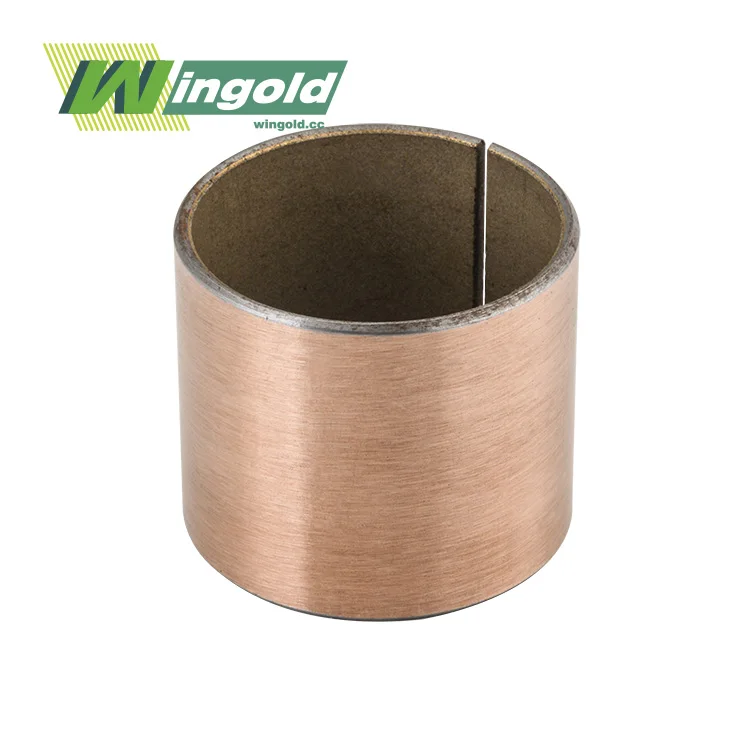
Molybdenum disulfide has the same benefits, but it can hold more weight. Its lamellar crystal structure breaks apart quickly when pressure is put on it, which lowers the friction coefficient to 0.05 or less. By adding these materials to bronze metals during the making process, we make self-lubricating bushings that don't need to be oiled from the outside. The real benefit is clear in situations like kiln roller bearings, where temperatures of 800°F and dusty conditions make fluid greasing difficult. Solid-lubricated bushings don't need to be accessed for upkeep, and they work reliably for years before they need to be replaced. Procurement managers like the total cost benefits, which include higher starting prices that are balanced out by fewer support workers and longer service intervals.
Choosing the Best Lubricant for Bronze Bushings
The lubricant you choose has a direct effect on how well the bearing works and how much it costs to run. We help engineers and buying teams make this choice by focusing on the needs of each application instead of making general suggestions.
Comparing Grease and Oil for Different Applications
Grease is used in situations where keeping the grease in place is more important than keeping things cool. Because it's thicker, it sticks to surfaces and keeps dirt out, which makes it perfect for vertical shafts, oscillating joints, and uncovered bearings in building equipment. Most industry uses NLGI Grade 2 consistency, which is a good balance between being able to be pumped through automatic systems and not falling apart under gravity.
When heat is being made, active cooling is needed, and oil is needed. When hydraulic pump joints spin at 1800 RPM, they make a lot of thermal heat that grease can't get rid of. This heat is carried to external coolers by circulating oil, which also keeps the hydraulic film that is needed for operation. When choosing an oil's viscosity, it's generally thought that bigger loads and slower speeds need thicker oils, while high-speed uses need lighter types to keep churning losses to a minimum. Often, the realistic choice means giving something up. For equipment that works in a variety of weather temperatures, we've asked for grease-packed bearings with extra oil. In the summer, heat makes grease thinner, which leads to more leaks. In the winter, cold makes it too stiff to pump. Adding lighter oil in the summer keeps the right film thickness without having to change the whole grease.
Synthetic Versus Mineral-Based Lubricants
Mineral oils made from petroleum work well in normal settings for a cast bronze bushing, but they break down quickly above 180°F. Synthetic oils, like polyalphaolefins (PAO), polyalkylene glycols (PAG), or synthetic esters, keep their consistency over a wider range of temperatures and don't react with oxygen, which can cause sludge and acids. Our synthetic formulas have viscosity values above 140, which means that changes in temperature don't have a big effect on the thickness and strength of the film. Costs must be taken into account. Most of the time, synthetic lubricants are two to four times more expensive than natural ones. However, the longer drain intervals and better security often make the extra cost worth it. Synthetic investment works best for equipment that is used all year in harsh temperatures or that carries big loads. Quality mineral-based products may work well with seasonal machinery that has mild job cycles.
Leading Lubricant Brands and Supplier Considerations
Big oil companies like Mobil, Shell, Castrol, Valvoline, and Chevron give a wide range of products with reliable quality and expert support. Their industrial companies offer application engineering help that helps match certain goods to the conditions of use. This knowledge is helpful when choosing oils for unique pieces of tools or strange places where they will be used.
Think about the supplier's full range of skills, not just how well-known the name is. Can they regularly deliver to your facilities? Do they offer condition tracking services that keep an eye on how the lube is breaking down and guess when it should be changed? Technical help is important, especially when trying to figure out why something isn't working right. Suppliers with tribology labs can look at samples of used lube and suggest ways to fix the problem based on their findings of wear metal and contamination. Strategic relationships lead to benefits in procurement. Agreements to buy in bulk lower the cost per unit while providing a steady supply. We work with supply chain managers who have arranged vendor-managed inventory programs. In these programs, sellers keep track of how much stock is being used and automatically restock, so there are no more emergency orders or rush fees that drive up costs.
Maintenance Tips and Lubrication Intervals for Bronze Bushings
Instead of fixing problems after they happen, proactive care stops them before they happen. Strategic ordering of lubrication and condition tracking both increase the life of bushings and make the best use of upkeep resources.
Monitoring Lubrication Health Effectively
Visual inspection is still the most important part of state tracking. During routine maintenance, check the color and consistency of the lube. A darker color means that it is breaking down due to rust and heat, while a milky look means that water has gotten into it. If the grease looks split or grainy, it's past its expiration date and needs to be replaced before it damages the bearings. Monitoring temperatures lets you know early on when problems are starting to happen. Tracking bearing temperatures across working cycles can be done with hand-held infrared thermometers or sensors that are permanently fixed. Find the normal temperatures for the system, and then look into what's happening when readings go 15-20% above these levels. Increasing temperatures can mean that the lube is wearing out, there isn't enough of it, or technical problems are starting to appear that need to be fixed.
Recommended Lubrication Schedules by Operating Intensity
Light-duty uses, like equipment that only works sometimes or at low speeds and loads, usually need to be oiled every three months. This group includes office supplies, exercise machines, and special farming tools. If the machine isn't used very often, an annual check and re-greasing as needed is usually enough. Every month, moderate-duty machinery that works every day in single shifts needs to be serviced. Regular monthly lubrication keeps the right film thickness and keeps wear debris from building up on machine tools, material handling equipment, and light industrial lines. This interval strikes a mix between the need for bearing protection and the cost of repair work.
Heavy-duty uses need to be oiled once a week or even every day. Continuous wear and heat from steel mills, mines, and production lines that run 24 hours a day, seven days a week quickly use up oils. We especially chose automated systems for these situations because human methods can't provide the frequency needed without requiring too much work. Continuous casters in steel mills are one extreme application that needs constant oil mist delivery because any break in the flow damages the bearings right away.
Best Practices to Maximize Bushing Longevity
When lubricating a Bronze Bushing Self Lubricating component, how clean the area is is just as important as the oil itself. Before joining grease guns, wipe down the fittings and the area around them to keep contaminants from getting into the bearings. Even if there is enough oil, the dirt particles that are introduced during greasing act as a lapping solution, speeding up wear. Keep grease guns clean and protected when not in use, and replace casings before they get contaminated. Don't just use more lube because you think "more is better." Too much lubrication can raise running temperatures by increasing resistance and can hydraulically lock bearings, pushing seals outward until contaminants enter. Manuals for equipment usually say how much to fill, which is two to three pumps from a normal grease gun per fitting. If you don't have the specs, add grease until seals start to ooze a little, then stop.
Checking for compatibility stops chemical reactions that hurt bearings and destroy lubrication. When you mix greases that don't work well together, you make chemical mixtures that lose their ability to lubricate or damage bearing surfaces. When switching types of lube, pump new grease until only new product comes out. This will get rid of all the old stuff. Keep track of the types of lubricants that are used on each piece of equipment so that they don't get mixed up during repair.
Procurement Guide for Bronze Bushing Lubricants
It is important to find a balance between the quality of the product, the dependability of the supply chain, and the total cost of ownership. We'll talk about important things that repair workers and people in charge of buying lubricants should think about.
Identifying Trusted Suppliers and Platforms
Industrial wholesalers such as Applied Industrial Technologies, Motion Industries, and Grainger have a wide range of lubricants in stock and can be reached through local branches. They are useful for more than just selling products; expert support staff help match products to applications, and national delivery networks make sure that products are always available across multiple sites. Credit terms and choices for vendor-managed goods give you financial freedom while lowering the cost of administration. Online platforms like Zoro, MSC Industrial Supply, and specialized tribology sellers make it easier to find goods that aren't easily found elsewhere. It's easier to compare prices, but it takes more work to look at technical specs without having a face-to-face expert advice. We suggest building ties with main suppliers who can help you in your area, and then using online sources for unique things or to compare prices.
Direct connections with manufacturers make sense for people who use a lot of products or have specific needs. Big companies that make lubricants have industrial sales teams that work with customers to come up with custom formulas, private labeling, and price based on volume. The commitment threshold usually needs yearly volumes higher than a few thousand gallons or unique goods that can't be bought through normal channels.
Pricing Dynamics and Bulk Purchasing Advantages
Prices for lubricants vary a lot depending on how much you buy, how it's packaged, and what kinds of additives you use. Cartridges that are sold individually weigh a lot less than 120-pound kegs or 400-pound drums. Businesses that use hundreds of pounds of packaging every year should switch to bulk containers with drum pumps or automatic dispensing systems. These will cut trash and costs by forty percent or more per unit. Volume purchase deals lock in prices for six to twelve months, which protects against changes in the price of base oil that are caused by changes in the oil markets. Most of the time, these deals require minimum annual purchases, but they save you 15% to 25% compared to buying things on the spot. When purchases are coordinated across multiple sites under company contracts, the financial benefit grows.
Aligning Specifications with Operational Requirements
Instead of always using high-end goods, technical specifications should match up with real-world working conditions. Machines that work in clean, temperature-controlled spaces don't need the same additive packages as machines that work in dirty, open settings. We help our customers make specification grids that sort equipment into groups based on how hard they are to operate. Then, we match the right grade of oil to each group, so there are no failures due to too much or too little specification. Certifications for vendors give you peace of mind that the quality will stay high and that the rules will be followed. Manufacturers of lubricants that are ISO 9001 approved have recorded quality systems that make sure that each batch is the same. Certifications that are specific to an industry, like API license for engine oils or AGMA approval for gear lubricants, show that performance claims have been checked by a third party. These qualifications are especially important in critical situations where a failed lube can cause costly damage.
Support after the sale and the ability to handle transportation are what set strategic partners apart from commodity providers. Can companies deliver on time when there are problems with production? Do they offer services that analyze used oil and suggest the best times to drain the engine? Will they teach the support staff the right way to use the product? These value-added services lower the total cost of ownership even when the price per gallon is higher than commodity options. This means that businesses that value reliability over low starting cost should consider buying them.
Conclusion
To perform bronze bushing lubrication effectively, you need to match the methods and materials to the needs of the process. Automated systems are best for heavy-duty tasks that need to be done consistently, while manual methods are better for easy-to-reach, low-duty tasks. Self-lubricating systems that use solid lubricants get rid of the need for upkeep in harsh settings or places that are hard to get to. Choosing the right lube, which includes looking at viscosity, base oil type, and chemical packages, has a direct effect on how well equipment works and how much it costs to maintain. Setting up tracking routines and the right service intervals stops problems before they happen and makes the best use of support resources. Strategic procurement that focuses on both seller skills and product specs guarantees a reliable supply of lubricants that keep operations running smoothly.
FAQ
Q1: How do I select between oil and grease for my bronze bushings?
A: Choice is mostly based on how fast it works and how much heat it makes. Grease works best in slower situations (less than 300 area feet per minute) where keeping the grease in and keeping out dirt are most important. At higher speeds or when heat needs to be actively cooled through movement, oil is needed. When PV numbers (pressure times velocity) are above 50,000, oil greasing and cooling from the outside are usually required.
Q2: What shaft hardness works best with bronze bushings?
A: To keep the shaft from wearing out, it should be at least 10-15 HRC harder than bronze. In rough or high-load situations, induction-hardened steel shafts at HRC 50 to 55 give the best service life. Chrome coating makes the surface harder and more resistant to rust, but the base material needs to be hard enough to keep the plating from cracking when the subsurface deforms.
Q3: Can I switch lubricant types without equipment modification?
A: When you switch between compatible goods in the same area, like brands of grease, you don't have to change any of your tools. Changing from one completely different type to another (like oil to grease or grease to oil) usually means changing seals, adding or removing oil tanks, and fixing clearances. Before changing systems, check with bearing makers to make sure they are compatible.
Q4: Why do my bushings fail despite regular lubrication?
A: Failures that happen too soon even after lubrication are usually caused by the wrong oil standard, not enough of it, contamination, or mechanical misalignment. Check worn-out bushings for wear patterns. Scoring means they are contaminated, heat darkening means the oil isn't thick enough or the wrong viscosity, and one-sided wear means there are alignment issues instead of a lack of lubrication.
Q5: What environmental factors affect lubricant performance?
A: Extreme temperatures make it hard for lubricants to stay stable. For example, cold weather makes greases too stiff to move, and heat speeds up the rusting process. Moisture pollution makes lubricants less effective and speeds up rusting. Chemical degradation of lubricants can happen when they come into contact with process materials. When dust and rough particles get into lubricants, they change into grinding compounds. Match the lubricant's requirements to the worst possible situations your tools will be in.
Partner with Wingold for Superior Bronze Bushing Solutions
Wingold is an expert in bronze bushing lubrication and has been doing so for over ten years, working with heavy machinery, mining equipment, and the naval industry. Our high-density copper alloy bushings have carefully rolled diamond or hemispherical oil indentations that make them very strong and resistant to wear. Compared to standard cast bronze designs, they are smaller and less expensive. The advanced structure has a longer service life and requires little upkeep, making it perfect for demanding uses like mining tools and ship propulsion systems.
Our engineering team offers full technical help, from choosing the right product to figuring out what went wrong and making unique solutions for non-standard uses. Wingold's efficient manufacturing methods allow for quick prototyping and production, and the company's flexible minimum order numbers can be used for both trial projects and large-scale production needs. We keep our ISO certifications up to date and have full testing labs that make sure we meet foreign standards. Talk to info@wingold.cc about how our designed bearing solutions can lower your equipment's total cost of ownership and make it more reliable.
References
1. Khonsari, M.M. and Booser, E.R. (2008). Applied Tribology: Bearing Design and Lubrication, Second Edition. John Wiley & Sons, New York.
2. Neale, M.J. (1995). The Tribology Handbook, Second Edition. Butterworth-Heinemann, Oxford.
3. Bhushan, B. (2013). Principles and Applications of Tribology, Second Edition. John Wiley & Sons, Chichester.
4. American Society for Testing and Materials. (2019). ASTM B438-19: Standard Specification for Bronze Bearing and Expansion Plates and Sheets. ASTM International, West Conshohocken.
5. Lansdown, A.R. and Price, A.L. (1986). Materials to Resist Wear: A Guide to Their Selection and Use. Pergamon Press, Oxford.
6. Booser, E.R. (1997). Tribology Data Handbook: An Excellent Friction, Lubrication, and Wear Resource. CRC Press, Boca Raton.
Learn about our latest products and discounts through SMS or email