Understanding PTFE Thrust Washer Extrusion
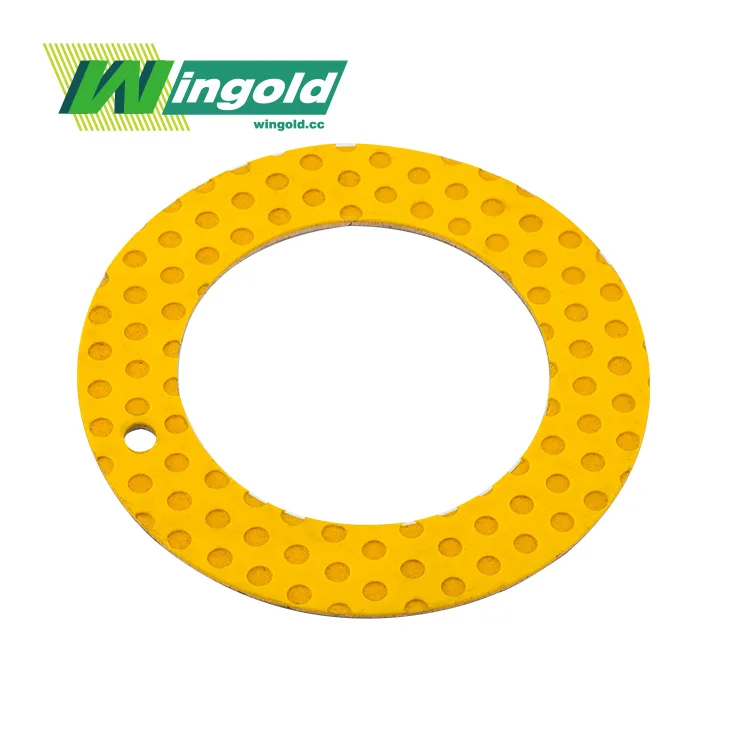
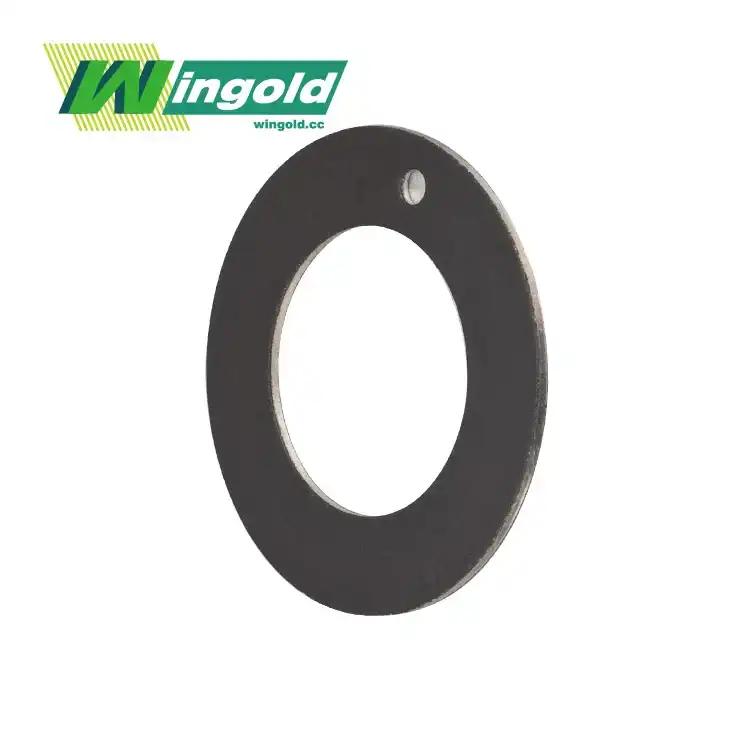
PTFE thrust washers are invaluable components in many mechanical systems, prized for their low friction, chemical resistance, and self-lubricating properties. However, these washers can face a significant challenge: extrusion. This phenomenon occurs when the washer material is forced out of its intended position under high loads or improper installation, compromising its performance and potentially leading to system failure.
Extrusion typically manifests as a deformation of the washer's edge, causing it to "flow" outward from its original shape. This can result in reduced bearing surface area, increased wear, and eventual failure of the thrust washer. Understanding the causes of extrusion is essential for implementing effective prevention strategies.
Factors Contributing to Extrusion
Several factors can contribute to PTFE thrust washer extrusion:
- Excessive Load: Applying loads beyond the washer's design capacity can cause the material to deform and extrude.
- Improper Sizing: Using a washer that's too small for the application can lead to inadequate support and subsequent extrusion.
- Temperature Fluctuations: Extreme temperatures can affect the PTFE's mechanical properties, making it more susceptible to deformation.
- Misalignment: Improper alignment during installation can create uneven pressure distribution, leading to localized extrusion.
- Surface Irregularities: Rough or uneven mating surfaces can create stress concentrations that promote extrusion.
By addressing these factors during the design and installation process, engineers and technicians can significantly reduce the risk of PTFE thrust washer extrusion.
Best Practices for PTFE Thrust Washer Installation
Implementing proper installation techniques is paramount in preventing PTFE thrust washer extrusion, especially when used in conjunction with self lubricating bushings. These best practices encompass a range of considerations, from pre-installation preparation and correct alignment of self lubricating bushings to final assembly and functional testing, ensuring reliable performance and extended service life.
Pre-Installation Preparation
Before beginning the installation process, thorough preparation is essential:
- Clean all mating surfaces thoroughly, removing any debris, oil, or contaminants that could interfere with proper seating.
- Inspect components for any signs of damage or wear that could affect the washer's performance.
- Verify that all parts meet the required specifications and tolerances using precision measuring tools.
- Ensure that the working environment is clean and free from potential contaminants.
Installation Process
During the installation of PTFE thrust washers, adhere to these guidelines:
- Apply a thin, even layer of compatible lubricant if required by the application. Be cautious not to over-lubricate, as this can lead to hydroplaning.
- Carefully align the washer with mating components, ensuring it's centered and seated properly.
- If using multiple washers, stack them with alternating orientation to distribute load more evenly.
- When tightening fasteners, use a calibrated torque wrench and follow a cross-pattern tightening sequence to ensure uniform pressure distribution.
- Avoid over-tightening, as this can lead to excessive compression and potential extrusion of the PTFE material.
Post-Installation Checks
After installation, perform these crucial checks:
- Visually inspect the assembly for any signs of misalignment or improper seating.
- If possible, perform a low-speed rotation test to ensure smooth operation and absence of binding.
- Monitor the assembly during initial operation for any unusual noises, vibrations, or temperature increases that could indicate improper installation.
- Schedule regular inspections to check for signs of wear or extrusion, especially in high-load or critical applications.
Advanced Techniques for Extrusion Prevention
While proper installation is crucial, advanced techniques can further enhance the performance and longevity of PTFE thrust washers in demanding applications.
Design Considerations
Incorporating certain design elements, especially when used together with a composite bushing, can significantly reduce the risk of extrusion:
- Anti-Extrusion Rings: These metal or composite rings can be installed alongside the PTFE washer to provide additional support and prevent material flow.
- Stepped Washers: Incorporating a stepped design can help contain the PTFE material and resist extrusion under high loads.
- Composite Materials: Using PTFE compounds reinforced with fillers like glass fibers or carbon can enhance the washer's resistance to deformation and extrusion.
Surface Treatments
Modifying the surface characteristics of mating components can improve the performance of PTFE thrust washers:
- Surface Hardening: Techniques like case hardening or nitriding can increase the hardness of mating surfaces, reducing wear and the likelihood of surface irregularities that could promote extrusion.
- Texturing: Controlled surface texturing can improve lubricant retention and reduce friction, potentially lowering the stress on the PTFE washer.
- Coatings: Applying low-friction coatings to mating surfaces can enhance overall system performance and reduce the load on the PTFE washer.
Environmental Controls
Managing the operating environment can also play a role in preventing extrusion:
- Temperature Management: Implementing cooling systems or heat shields can help maintain optimal operating temperatures for PTFE thrust washers.
- Contamination Control: Using effective sealing systems can prevent ingress of abrasive particles that could accelerate wear and promote extrusion.
- Load Monitoring: Implementing load cells or pressure sensors can help ensure that the washer is not subjected to loads beyond its design capacity.
Conclusion
Preventing PTFE thrust washer extrusion is a multifaceted challenge that requires attention to detail in design, installation, and maintenance. By implementing the tips and techniques discussed in this article, engineers and technicians can significantly enhance the performance and longevity of PTFE thrust washer assemblies.
For those seeking high-quality PTFE thrust washers and expert guidance on their application, Wingold Bearing stands as a trusted PTFE thrust washer supplier and manufacturer. Our extensive experience in sliding bearing solutions, combined with state-of-the-art manufacturing facilities, enables us to provide products that meet the most demanding requirements. For more information or to discuss your specific needs, please contact us at info@wingold.cc.
Frequently Asked Questions
How often should PTFE thrust washers be inspected for signs of extrusion?
The inspection frequency depends on the application, but generally, it's recommended to perform visual inspections during routine maintenance intervals. For critical applications, more frequent checks may be necessary.
Can damaged PTFE thrust washers be repaired, or must they always be replaced?
In most cases, damaged PTFE thrust washers should be replaced rather than repaired. Attempting to repair a damaged washer may compromise its integrity and performance.
Are there any specific storage requirements for PTFE thrust washers to prevent deformation before installation?
PTFE thrust washers should be stored in a cool, dry place away from direct sunlight. They should be kept flat to prevent warping and protected from potential physical damage.