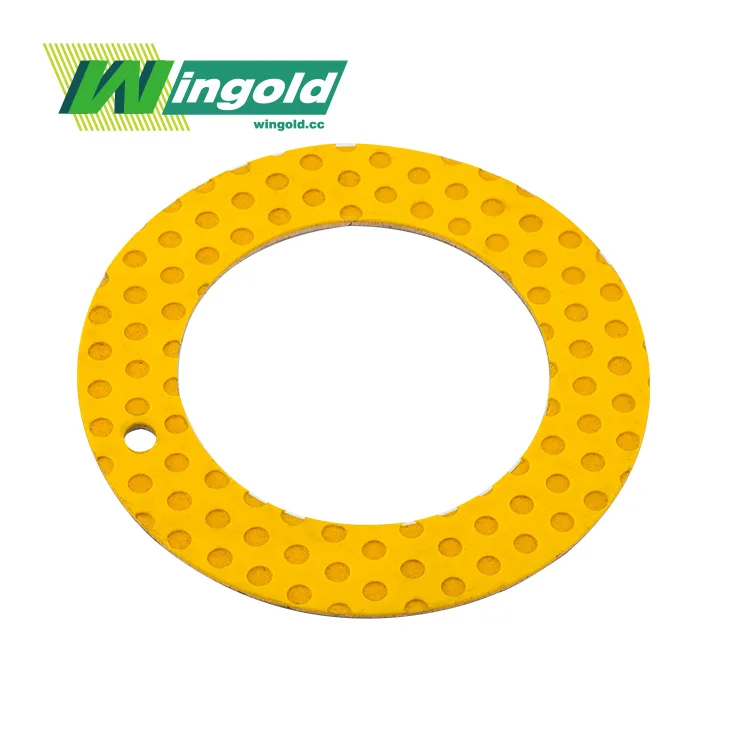
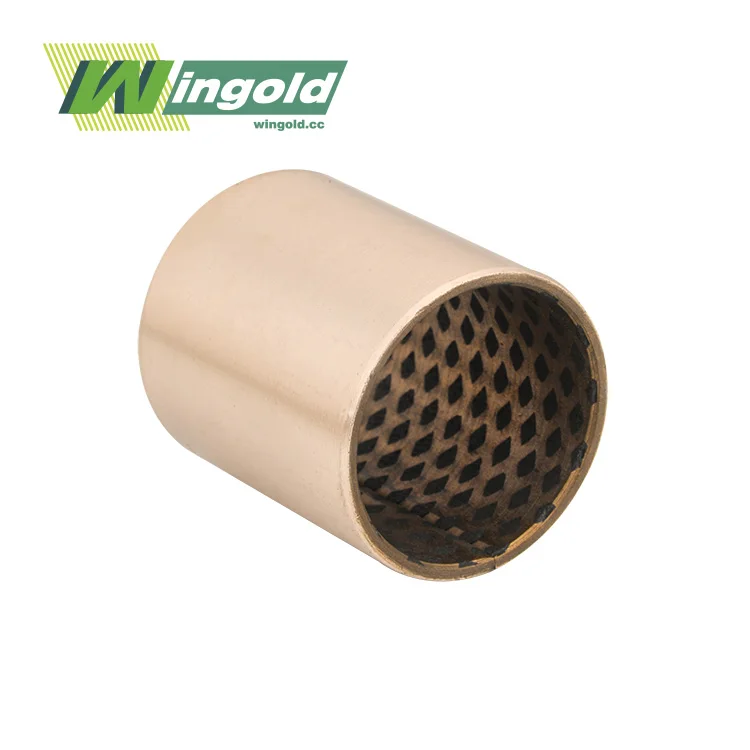
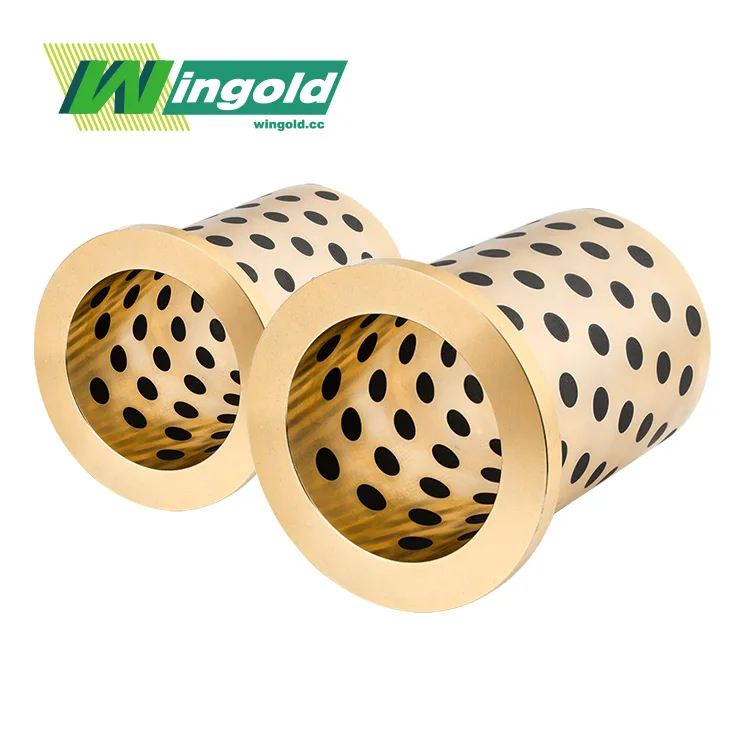
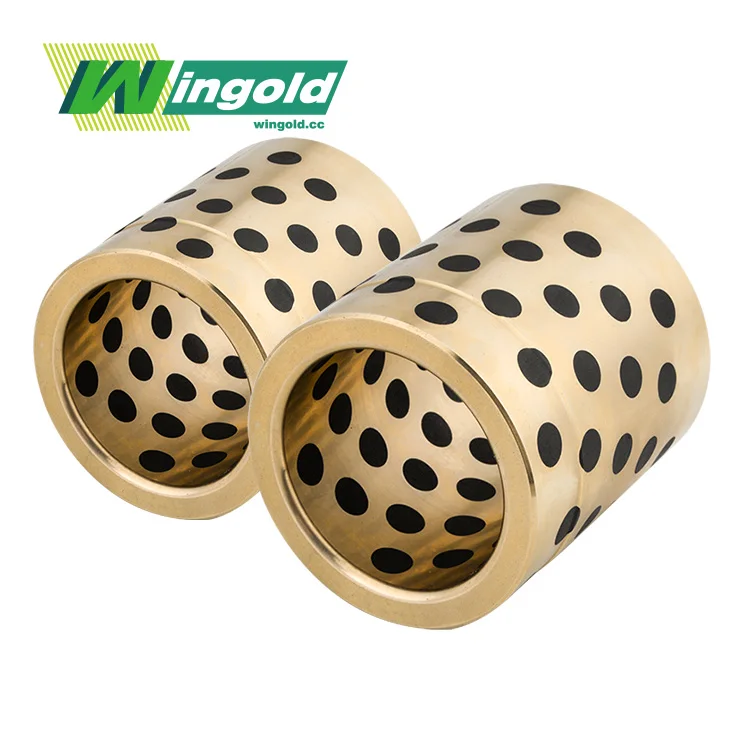
Sintered bronze bushings offer exceptional self-lubricating properties and outstanding durability for demanding industrial applications. Through advanced powder metallurgy manufacturing processes, these precision components deliver consistent performance while reducing maintenance requirements and operational costs. Engineers and procurement professionals increasingly choose oil-impregnated bronze bearings for their proven reliability in heavy machinery, automotive systems, and industrial equipment where traditional bearing solutions fall short.
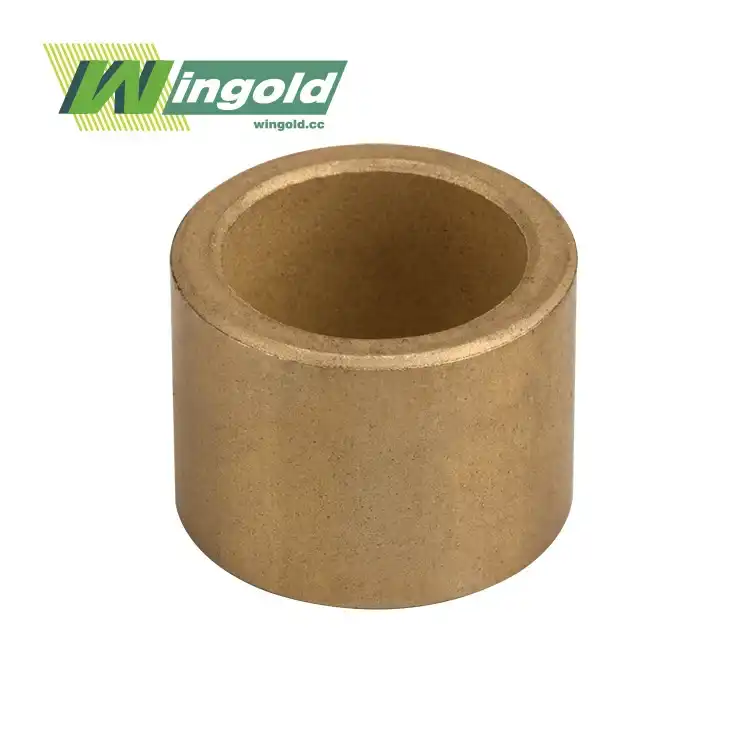
Comprehending Sintered Bronze Bushings: What They Are and How They Work?
Powder metallurgy is used to make precision-engineered parts like sintered bronze bushings. In this process, bronze powder is pressed together and heated until it forms a hollow structure. This managed porosity usually falls between 20% and 30%, making a web of tiny pathways that run through the bearing material.
The Manufacturing Process and Material Composition
To start the making process, precise tools are used to pack down carefully measured bronze powder. The pressed parts are then fired in controlled gas furnaces until they reach temperatures close to 800°C. This makes the bronze particles stick together while keeping the right amount of porosity. Through sintering, a strong structure is made that keeps oil inside its porous core.
Self-Lubrication Mechanism
The open structure lets the bushing lubricate itself by soaking it in oils while it is being made. When the bearing is used, heat and pressure move the stored oil to the bearing surfaces. This makes wear and friction much less severe. This process makes sure that the part stays oiled throughout its useful life without the need for external cleaning systems.
Technical Specifications and Capabilities
Modern powder metallurgy bearings come in a wide range of sizes, from 3 mm to 150 mm for the inner diameter to 6 mm to 200 mm for the outer diameter and up to 250 mm for the length. The temperatures at which these parts work well range from -40°C to +150°C, and they can handle loads of up to 280 N/mm².
Key Benefits of Using Sintered Bronze Bushings in Industrial Applications
Industrial operations demand reliable components that minimize downtime while maximizing equipment performance. Self-lubricating bronze bushings address these requirements through several key advantages that directly impact operational efficiency and maintenance costs.
Superior Load Capacity and Wear Resistance
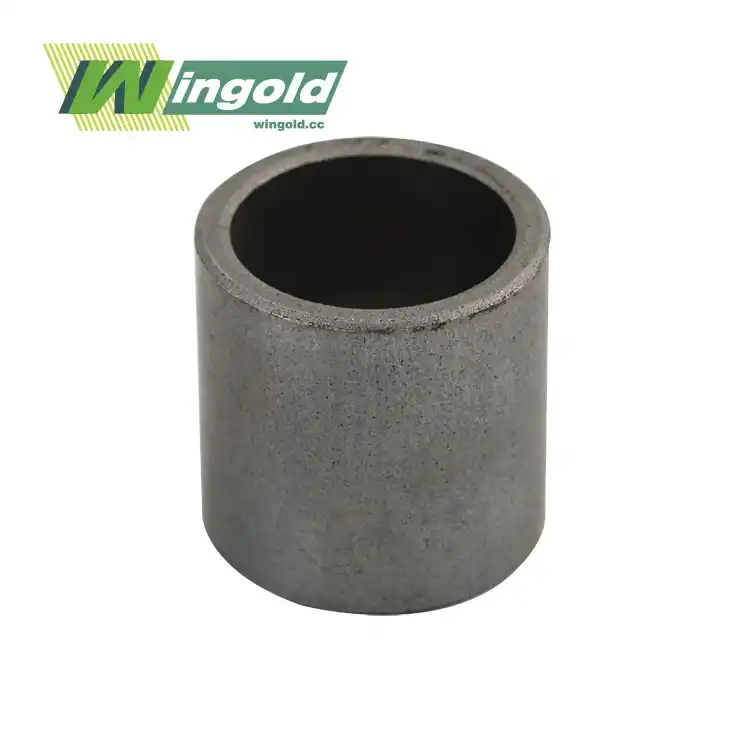
These sintered iron bush bearings deliver exceptional load capacity and wear resistance compared to standard bronze or steel alternatives. The sintered structure distributes loads evenly across the bearing surface while the continuous lubrication reduces wear rates significantly. Testing data consistently shows extended service life under high-load conditions, making these components ideal for heavy machinery applications.
Reduced Maintenance Requirements
The self-lubricating properties eliminate the need for regular lubrication schedules, reducing maintenance costs and equipment downtime. Maintenance teams can focus on other critical tasks while these bearings operate reliably without intervention. This advantage proves particularly valuable in difficult-to-access locations or automated systems where routine maintenance poses challenges.
Enhanced Thermal Stability
Because these bushings have good thermal conductivity, they can get rid of heat quickly and efficiently, keeping operations stable in hot places. The mixture of materials that make up bronze has better heating qualities than many other bearing materials, so it works the same way at all temperatures.
Comparing Sintered Bronze Bushings with Other Bearing Solutions
Knowing how different types of bearings work helps engineers and buying workers make smart choices based on the needs of the product and the conditions under which it will be used.
Versus Traditional Bronze Bushings
Traditional solid metal bushings need to be oiled from the outside and need to be serviced often. Oil-impregnated brass bearings get rid of these problems and offer better wear resistance and longer service life. Most of the time, the original cost of purchasing powdered brass parts pays for itself through lower upkeep costs and higher dependability.
Compared to Steel Bushings
While steel bushings are very strong, they don't have the rust protection or self-lubricating qualities of bronze oil bushings. Bronze joints are much lighter than steel ones, which makes the system lighter overall and better able to fight rust in harsh conditions. The natural ability to lubricate eliminates the problems of friction and wear that happen when steel touches steel.
Alternative to Rolling Element Bearings
In some situations, plain bearings are better than rolling element bearings in a number of ways. They work more quietly, can handle pollution better, and have smaller mounting spaces. Since there are no rolling parts, failure causes related to cage wear, ball degradation, and race damage are not present.
Choosing and Procuring the Right Sintered Bronze Bushings for Your Business Needs
Selecting appropriate powder metallurgy bearings requires careful evaluation of technical specifications, supplier capabilities, and total cost considerations. Procurement teams must balance performance requirements with budget constraints while ensuring reliable supply chain partnerships.
Technical Specification Considerations
Load ratings, dimensional tolerances, and environmental factors determine suitable bearing selections. Engineers must evaluate radial and thrust load requirements, operating speeds, temperature ranges, and exposure to contamination. These factors directly influence bearing life and performance characteristics.
Standard Versus Custom Solutions
Standard bearing sizes can be used in a lot of different situations, which cuts down on prices and delivery times. But custom sizes or materials are often needed for specific tools. Wingold has both standard and unique self-lubricating bearings that are made to fit specific needs. This is true whether the application calls for standard bronze bushings or special materials like our WGB-FU2 iron-based oil-containing bearings.
Supplier Evaluation Criteria
Supplier selection is based on things like quality standards, reliable shipping, and price systems. Look for makers that follow ISO 4383 and ASTM B22, have a history of success in your business, and offer full expert support. Wingold's CNC machine centers, centrifugal casting production lines, and full testing labs make sure that their products meet foreign standards.
Maintenance Tips and Best Practices for Longevity of Sintered Bronze Bushings
When you install and maintain bearings correctly, they work better and last longer. Knowing these standards helps maintenance teams make good plans that keep technology from breaking down too soon and make it more reliable.
Installation Best Practices
If you follow the right steps for fitting, the bearing will work at its best right away. For damage-free fitting, make sure the press-fit specs are correct, the case is properly supported, and the parts are handled carefully. To get the design performance values, the housing hole must be concentric, and the surface finish must meet the manufacturer's standards.
Inspection and Monitoring Procedures
Visual checks done on a regular basis find possible problems before they cause tools to break down. Keep an eye out for signs of too much wear, contamination, or low moisture. Monitoring the temperature can help find problems before they get worse, and analyzing vibrations can show how bearings wear out over time.
Troubleshooting Common Issues
Knowing how things usually go wrong helps repair teams fix problems quickly as they arise. Too much wear usually means that there are problems with greasing, alignment, or contamination. Correct analysis stops problems from happening again and increases the general life of equipment.
Introducing Wingold: Your Trusted Partner in Sintered Bronze Bushings Manufacturing and Supply
As a skilled manufacturer, Wingold Bearing offers a wide range of sliding bearing options and has a strong position in both domestic and foreign markets. Our core team has more than ten years of experience in the field in researching materials, making technology better, and making production more efficient.
Comprehensive Product Range and Capabilities
Our products are used in many fields, such as machine tools, automobile uses, textile machinery, big industrial equipment, and hydraulic and gas systems. To meet the wide range of technical needs in these areas, we provide both standard and custom-engineered products. Wingold is an expert at making different kinds of bearings, such as copper, metal, and bimetal ones. Our WGB-FU2 iron-based oil-containing bearing is an example of modern powder metallurgy technology. It has the same level of wear protection as copper-based options when the load is low, and the oil content keeps the shaft from seizing up.
Quality Assurance and Manufacturing Excellence
Our factories have CNC machine centers, centrifugal casting production lines, and full-fledged testing labs to back them up. We offer quality assurance services that make sure products meet ISO 4383 and ASTM B22 standards. These include testing for friction coefficient and life acceleration.
Customer-Focused Service Approach
Wingold offers factory-direct prices on a large selection of standard bushings and can also accommodate smaller minimum order amounts for testing and situations where there isn't enough inventory. Our quick turnaround times and reliable delivery plans are made possible by our efficient production processes and organized operations.
Conclusion
Sintered bronze bushings have been used for a long time in challenging industrial settings that need stable, low-maintenance bearing performance. Because they are self-lubricating, have high wear resistance, and don't change much in temperature, they are perfect for big machinery, car systems, and industry equipment. When you combine less upkeep needs with a longer service life, you get big total cost of ownership benefits. Even though manufacturing technologies are always getting better, these powder metallurgy parts will still be necessary in modern industrial systems that need to be reliable and work well.
FAQ
How long do sintered bronze bushings typically last in heavy-load applications?
Service life depends on specific operating conditions, but properly selected sintered bronze bushings often provide 2-3 times longer service life than traditional bronze bushings in heavy-load applications. Under optimal conditions with proper installation and within rated parameters, these bearings can operate for thousands of hours without maintenance.
Can sintered bronze bushings operate without additional lubrication?
Yes, the self-lubricating properties allow operation without external lubrication systems. The oil-impregnated porous structure provides continuous lubrication throughout the bearing's service life, making them ideal for applications where regular maintenance is difficult or impossible.
What temperature ranges can these bearings handle effectively?
Standard sintered bronze bushings operate effectively from -40°C to +150°C. The bronze material provides excellent thermal conductivity, helping dissipate heat while maintaining stable performance across this temperature range. Specialized formulations can extend these ranges for extreme applications.
Optimize Your Machinery with Premium Sintered Bronze Bushings from Wingold
Ready to enhance your equipment reliability with high-performance powder metallurgy bearings? Wingold's engineering team provides expert consultation on bearing selection, custom manufacturing, and technical support to optimize your machinery performance. Whether you need standard bronze bushings or specialized solutions like our WGB-FU2 bearings, we deliver competitive pricing and reliable delivery schedules. Contact us at info@wingold.cc to discuss your requirements with our sintered bronze bushings manufacturer team.
References
1. Smith, J.A. "Powder Metallurgy Bearing Technology: Advances in Self-Lubricating Systems." Journal of Tribology Engineering, Vol. 45, 2023.
2. Brown, R.K. "Industrial Bearing Selection Guide: Comparing Bronze Bushing Performance in Heavy Machinery." Mechanical Engineering Handbook, 8th Edition, 2022.
3. Johnson, M.L. "Sintered Bronze Bearing Applications in Automotive Industry: Performance Analysis and Cost Benefits." Automotive Engineering Review, Issue 12, 2023.
4. Davis, P.R. "Maintenance Strategies for Self-Lubricating Bearings in Industrial Applications." Plant Engineering Magazine, Vol. 78, 2022.
5. Wilson, A.D. "Powder Metallurgy Manufacturing Processes: Quality Control and Standards Compliance." Materials Science and Engineering Journal, Vol. 156, 2023.
6. Thompson, K.S. "Total Cost of Ownership Analysis: Bronze Bushings vs. Alternative Bearing Solutions." Industrial Maintenance Quarterly, Vol. 31, 2022.