- English
- French
- German
- Portuguese
- Spanish
- Russian
- Japanese
- Korean
- Arabic
- Greek
- German
- Turkish
- Italian
- Danish
- Romanian
- Indonesian
- Czech
- Afrikaans
- Swedish
- Polish
- Basque
- Catalan
- Esperanto
- Hindi
- Lao
- Albanian
- Amharic
- Armenian
- Azerbaijani
- Belarusian
- Bengali
- Bosnian
- Bulgarian
- Cebuano
- Chichewa
- Corsican
- Croatian
- Dutch
- Estonian
- Filipino
- Finnish
- Frisian
- Galician
- Georgian
- Gujarati
- Haitian
- Hausa
- Hawaiian
- Hebrew
- Hmong
- Hungarian
- Icelandic
- Igbo
- Javanese
- Kannada
- Kazakh
- Khmer
- Kurdish
- Kyrgyz
- Latin
- Latvian
- Lithuanian
- Luxembou..
- Macedonian
- Malagasy
- Malay
- Malayalam
- Maltese
- Maori
- Marathi
- Mongolian
- Burmese
- Nepali
- Norwegian
- Pashto
- Persian
- Punjabi
- Serbian
- Sesotho
- Sinhala
- Slovak
- Slovenian
- Somali
- Samoan
- Scots Gaelic
- Shona
- Sindhi
- Sundanese
- Swahili
- Tajik
- Tamil
- Telugu
- Thai
- Ukrainian
- Urdu
- Uzbek
- Vietnamese
- Welsh
- Xhosa
- Yiddish
- Yoruba
- Zulu
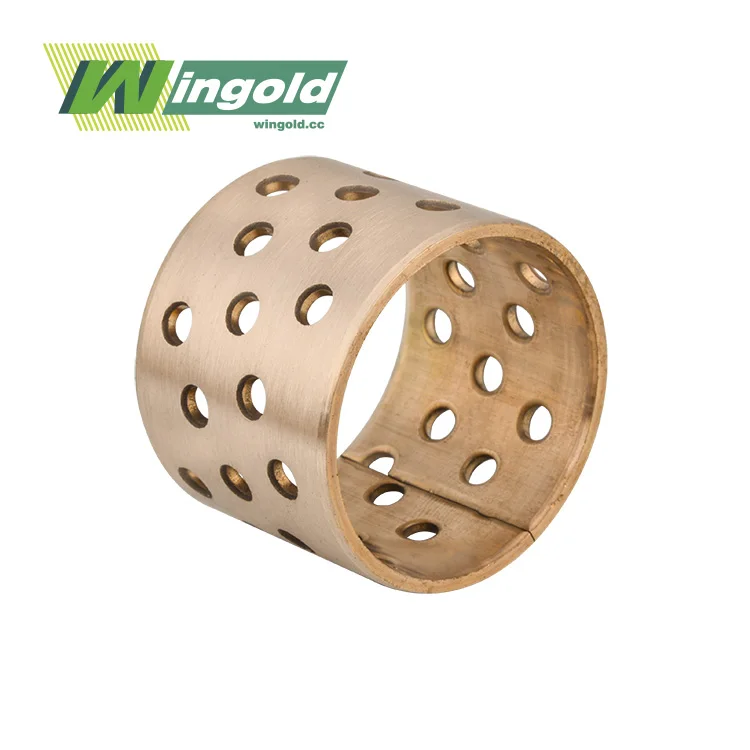
What Is a Composite Material Bushing?
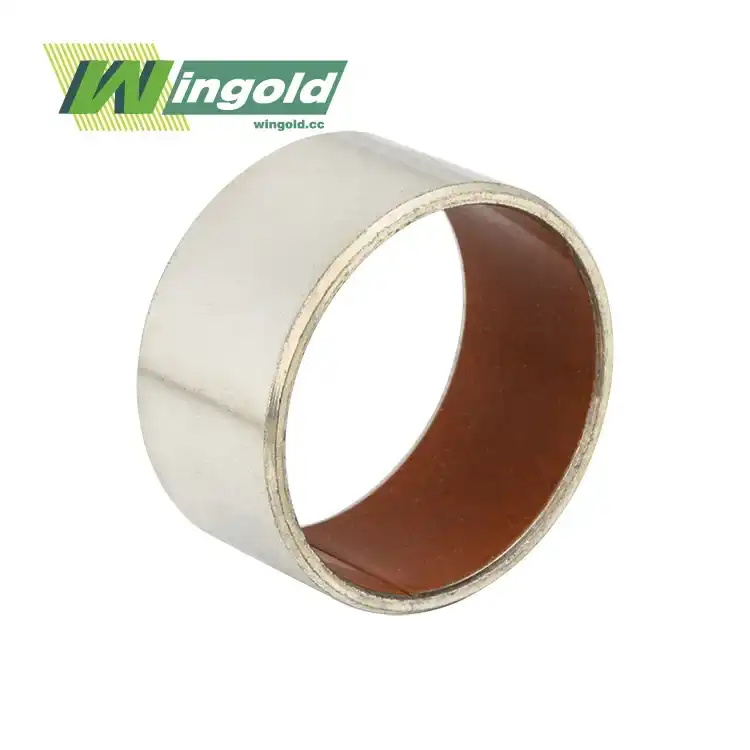
Composite material bushing are inventive components that have revolutionized the world of mechanical apparatus and hardware. These high-performance bushings combine progressed polymers with fortifying filaments to make a self-lubricating, low-friction elective to conventional metal bushings. As we dive into the world of composite fabric bushings, we'll investigate their special properties, applications, and benefits that make them an basic component in advanced engineering.
Understanding Composite Material Bushings
Composition and Structure
Composite fabric bushings are designed utilizing a carefully chosen mix of high-performance polymers and fortifying filaments. The base materials ordinarily incorporate PTFE (polytetrafluoroethylene), POM (polyoxymethylene), or Dad (polyamide), which are combined with filaments such as glass, carbon, or aramid. This interesting composition comes about in bushings that offer prevalent mechanical properties, chemical resistance, and warm stability.
The structure of composite fabric bushings frequently comprises of different layers, each serving a particular reason. For occurrence, a common arrangement incorporates a steel back for situating and load-bearing, a permeable bronze layer for interfacing the polymer and helping in grinding lessening, and a PTFE layer for wear resistance and self-lubrication. This multi-layered plan permits composite bushings to outflank conventional metal bushings in different applications.
Key Properties
Composite material bushings possess several key properties that set them apart from conventional bushings:
- Self-lubricating: The polymer matrix in composite bushings eliminates the need for external lubrication, reducing maintenance requirements and enhancing operational efficiency.
- Low friction: Composite bushings exhibit significantly lower friction coefficients compared to metal bushings, typically ranging from 0.03 to 0.25.
- High wear resistance: These bushings demonstrate exceptional wear resistance, with wear rates often less than 20 μm/km.
- Load capacity: Depending on the specific composition, composite bushings can withstand loads of up to 140 MPa.
- Wide temperature range: They maintain their performance across a broad temperature spectrum, from -200°C to +280°C.
- Corrosion resistance: Unlike metal bushings, composite bushings are inherently resistant to corrosion, making them suitable for harsh environments.
Manufacturing Process
The fabricating of composite fabric bushings includes progressed strategies to guarantee exact measurements and ideal execution. Common strategies incorporate infusion molding, expulsion, and compression molding. These forms permit for the creation of bushings in different sizes, extending from 3mm to 500mm in inward distance across, and in diverse shapes such as flanged, sleeve, pushed washer, slide cushion, and plain bushings. Quality control is vital in the generation of composite bushings. Producers like Jiashan Wingold Bearing Co., Ltd. utilize thorough testing methods, counting grinding coefficient testing and life increasing speed testing, to guarantee compliance with worldwide benchmarks such as ISO 4383 and ASTM B22.
Applications of Composite Material Bushings
Industrial Machinery
Composite material bushing discover broad utilize in different mechanical apparatus applications. Their self-lubricating properties and wear resistance make them perfect for hardware that works beneath challenging conditions or requires negligible upkeep. A few common applications include:
- Hydraulic and pneumatic systems
- Forging and pressing machine tools
- Plastic machinery
- Lifting and handling equipment
- Textile machinery
- Food processing equipment
In these applications, composite bushings offer assistance decrease contact, minimize wear, and amplify the life expectancy of basic components. Their capacity to work without outside oil too contributes to cleaner and more naturally inviting mechanical processes.
Automotive and Transportation
The car industry has grasped composite fabric bushings for their various points of interest. These self-lubricating bushings are utilized in different vehicle components, including:
- Suspension systems
- Steering mechanisms
- Pedal assemblies
- Door hinges
- Seat adjustment mechanisms
Composite bushings contribute to made strides vehicle execution by diminishing weight, minimizing clamor and vibration, and upgrading in general solidness. Their erosion resistance too makes them appropriate for utilize in challenging situations, such as in off-road vehicles or in zones with tall salt exposure.
Aerospace and Marine
The aviation and marine businesses advantage significantly from the special properties of composite fabric bushings. These divisions require components that can withstand extraordinary conditions whereas keeping up tall execution. Applications in these areas include:
- Aircraft landing gear
- Flap and control surface hinges
- Helicopter rotor systems
- Marine propulsion systems
- Deck equipment on ships
Composite bushings exceed expectations in these applications due to their capacity to work in a wide temperature extend, stand up to erosion from saltwater presentation, and give reliable execution beneath tall loads and vibrations.
Benefits of Using Composite Material Bushings
Enhanced Performance and Durability
Composite material bushings offer several performance advantages over traditional metal bushings:
- Reduced friction: The self-lubricating properties of composite bushings result in lower friction coefficients, leading to smoother operation and reduced energy consumption.
- Improved wear resistance: The unique composition of composite bushings allows them to withstand abrasive conditions, extending the lifespan of components and reducing the frequency of replacements.
- Dimensional stability: Composite bushings maintain their shape and size under varying loads and temperatures, ensuring consistent performance throughout their service life.
- Noise reduction: The damping properties of composite materials help minimize vibration and noise in mechanical systems, contributing to quieter and more comfortable operation.
These performance benefits translate into increased durability and reliability of equipment, reducing downtime and maintenance costs for end-users through the use of self lubricating bushings.
Cost-Effectiveness and Maintenance Reduction
While the initial cost of composite material bushings may be higher than traditional metal bushings, they offer significant long-term cost savings:
- Elimination of lubrication: The self-lubricating nature of composite bushings removes the need for regular greasing or oiling, reducing maintenance labor and material costs.
- Extended service life: The superior wear resistance of composite bushings means they need to be replaced less frequently, lowering replacement costs and minimizing production interruptions.
- Weight reduction: The use of lightweight composite materials can contribute to overall weight savings in equipment, potentially improving fuel efficiency in transportation applications.
- Corrosion resistance: Unlike metal bushings that may require protective coatings or frequent replacement due to corrosion, composite bushings maintain their integrity in harsh environments, reducing long-term maintenance expenses.
These cost-saving features make composite material bushings an attractive option for businesses looking to optimize their operational expenses while improving equipment performance.
Environmental and Safety Considerations
Composite material bushings also offer environmental and safety benefits:
- Reduced environmental impact: The elimination of external lubrication helps prevent oil and grease contamination, contributing to cleaner work environments and reduced environmental pollution.
- Improved safety: The self-lubricating properties of composite bushings reduce the risk of accidents associated with lubricant application in hard-to-reach areas or on moving parts.
- Chemical resistance: Many composite bushings exhibit excellent resistance to chemicals and solvents, making them suitable for use in applications where exposure to harsh substances is a concern.
- Fire resistance: Certain composite materials used in bushings offer improved fire resistance compared to traditional materials, enhancing safety in critical applications.
These considerations make composite material bushings an excellent choice for industries prioritizing environmental responsibility and worker safety.
Conclusion
Composite material bushing speaks to a noteworthy progression in bearing innovation, advertising a interesting combination of execution, solidness, and cost-effectiveness. Their self-lubricating properties, moo grinding coefficients, and remarkable wear resistance make them perfect for a wide run of applications over different businesses. By disposing of the require for outside oil and giving amplified benefit life, these bushings contribute to decreased support costs and made strides operational productivity. As businesses proceed to look for inventive arrangements for improving gear execution and unwavering quality, composite fabric bushings are balanced to play an progressively imperative part in advanced building and design.
Are you looking for high-quality composite fabric bushings for your mechanical applications? See no advance than Wingold Bearing. Our progressed fabricating forms and thorough quality control guarantee that our composite bushings meet the most noteworthy guidelines of execution and solidness. With customizable arrangements and a wide run of sizes accessible, we can meet your particular needs, whether you require flanged, sleeve, pushed washer, or plain bushings. Involvement the benefits of our self-lubricating, low-noise, and wear-resistant bushings that are revolutionizing businesses around the world.
FAQ
What are the main advantages of composite material bushings over traditional metal bushings?
Composite material bushings offer self-lubrication, lower friction, improved wear resistance, and corrosion resistance. They also provide weight reduction, noise dampening, and can operate in a wider temperature range.
In which industries are composite material bushings commonly used?
These bushings are widely used in automotive, aerospace, marine, industrial machinery, and various manufacturing sectors where high performance and low maintenance are crucial.
How do composite material bushings contribute to cost savings?
They eliminate the need for external lubrication, have a longer service life, require less frequent replacements, and can reduce overall system weight, leading to significant long-term cost savings.
Elevate Your Engineering with Wingold's Composite Bushings
At Wingold Bearing, we're committed to giving cutting-edge composite fabric bushing arrangements that meet the different needs of worldwide businesses. Our broad extend of self-lubricating bushings, sponsored by over 20 a long time of industry encounter, offers unparalleled execution and toughness. From customized plans to quick prototyping and large-scale generation, we have the skill to optimize your applications. Experience the Wingold difference – contact us at info@wingold.cc to discover how our composite bushings can transform your engineering projects and drive your business forward.
References
1. Smith, J.A. (2020). "Composite Bushings in Modern Engineering: Applications and Advancements". Journal of Material Science and Engineering, 45(3), 278-295.
2. Johnson, R.B., & Lee, S.K. (2019). "Performance Comparison of Composite and Metal Bushings in High-Load Applications". Tribology International, 138, 66-75.
3. Zhang, L., et al. (2021). "Environmental Impact Assessment of Self-Lubricating Composite Bushings in Industrial Machinery". Journal of Cleaner Production, 295, 126397.
4. Brown, M.C. (2018). "Advancements in Composite Material Bushing Manufacturing Techniques". International Journal of Advanced Manufacturing Technology, 94(5-8), 1853-1865.
5. Thompson, E.R., & Garcia, A.L. (2022). "Longevity and Cost-Effectiveness of Composite Bushings in Automotive Applications: A 10-Year Study". SAE International Journal of Materials and Manufacturing, 15(1), 5-18.
Learn about our latest products and discounts through SMS or email