Understanding the Advantages of Metric Flanged Brass Bushings in Industrial Settings
Superior Material Properties of Brass for Industrial Use
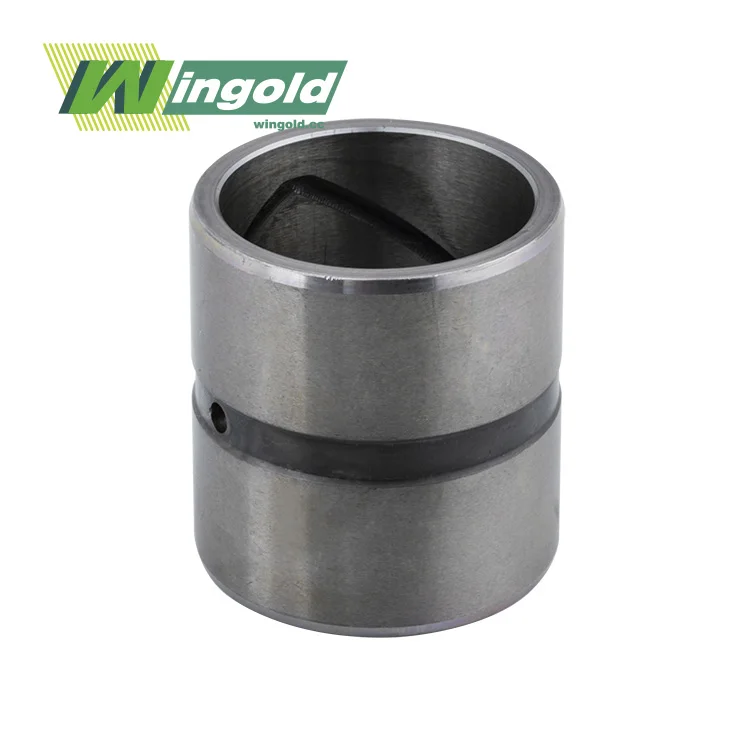
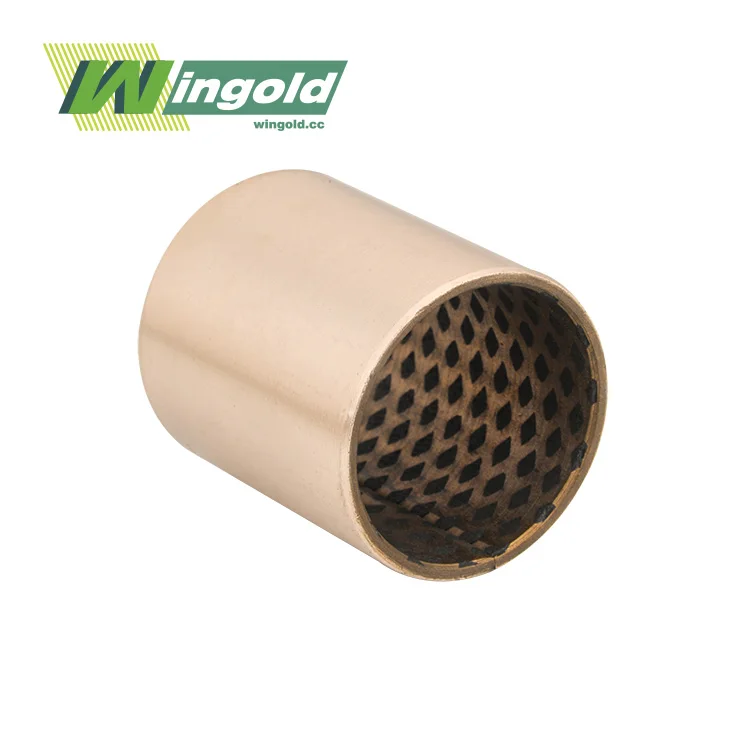
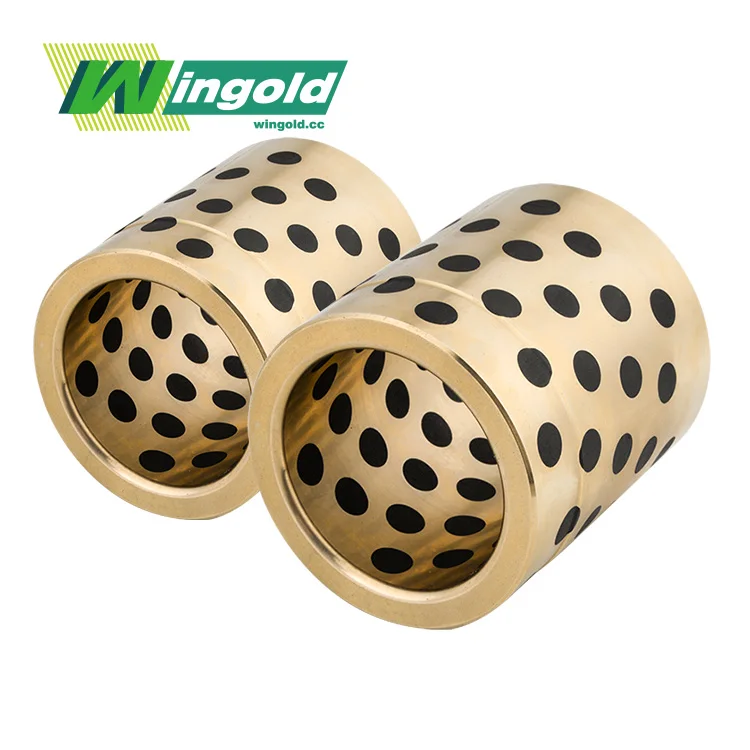
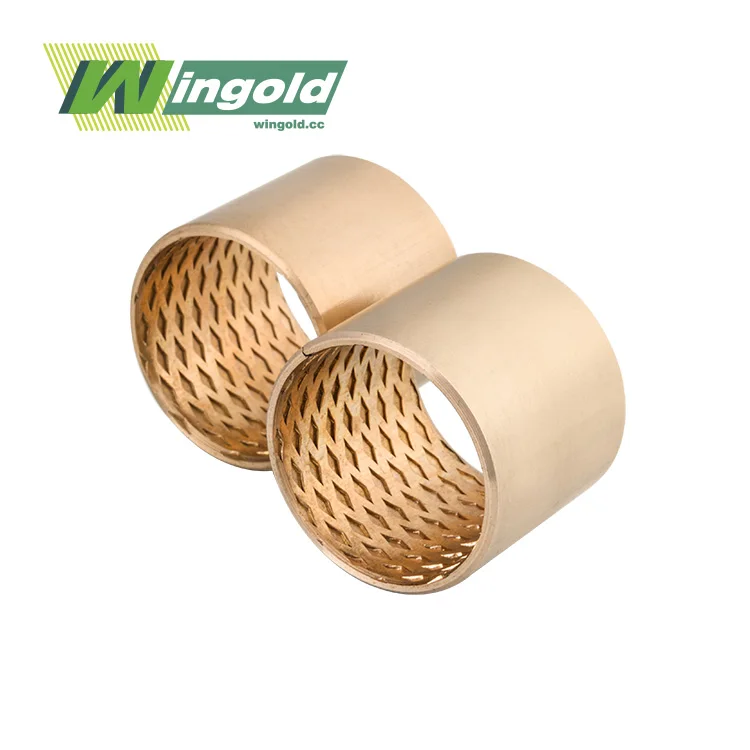
Brass, the primary material used in metric flanged bushings, boasts an impressive array of properties that make it exceptionally suitable for industrial applications. Its inherent strength and durability allow these bushings to withstand substantial loads and resist wear, even in harsh operating conditions. The material's excellent machinability facilitates precise manufacturing, ensuring tight tolerances and smooth surfaces that are crucial for optimal performance.
Moreover, brass exhibits remarkable corrosion resistance, a vital attribute in environments where exposure to various chemicals or moisture is common. This resistance not only extends the lifespan of the bushings but also minimizes the risk of equipment failure due to component degradation. The material's natural self-lubricating properties further enhance its suitability for industrial use, reducing friction and heat generation during operation.
Design Features that Enhance Performance
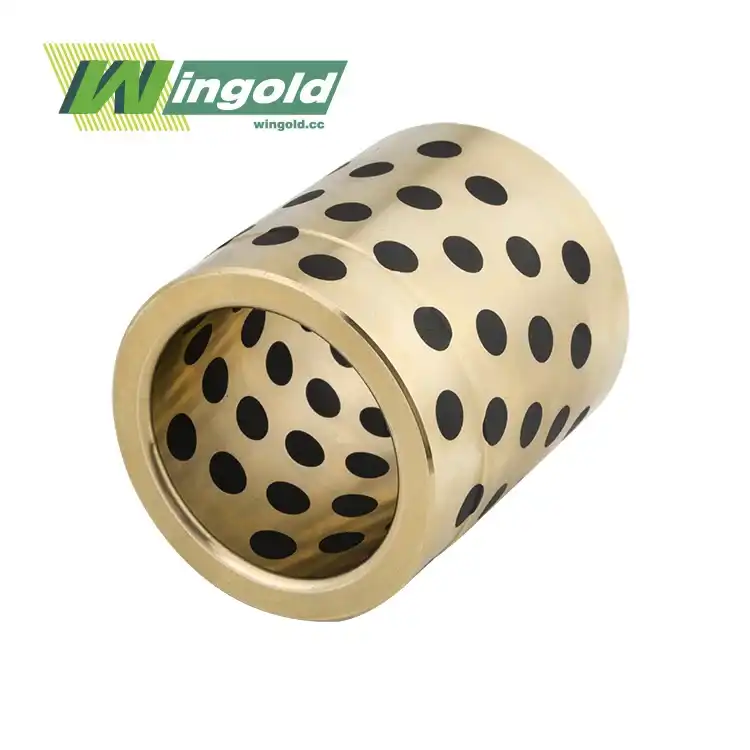
The design of metric flanged brass bushings incorporates several features that significantly boost their performance in industrial settings. The integrated flange provides a larger surface area for load distribution, enhancing stability and reducing the risk of misalignment. This design element is particularly beneficial in applications where both radial and axial loads are present, such as in conveyor systems or heavy machinery.
The precision-engineered cylindrical bearing surface ensures smooth, low-friction movement, which is essential for efficient operation and reduced energy consumption. Additionally, the metric standardization of these bushings facilitates easy integration and replacement across various types of equipment, streamlining maintenance processes and reducing downtime.
Versatility Across Industrial Applications
Metric flanged brass bushings demonstrate remarkable versatility, finding applications across a wide spectrum of industries. In the automotive sector, they are utilized in steering systems, suspension components, and transmission assemblies. The machine tool industry benefits from their precision and durability in guide ways and spindle assemblies. In the realm of hydraulic and pneumatic systems, these bushings play a crucial role in ensuring smooth operation of valves and actuators.
Their ability to perform reliably in high-temperature environments makes them suitable for use in ovens, furnaces, and other heat-intensive applications. The construction and mining industries leverage the strength and wear resistance of these bushings in heavy equipment, while the food processing sector appreciates their corrosion resistance and ease of cleaning.
Optimizing Industrial Processes with Metric Flanged Brass Bushings
Enhancing Equipment Lifespan and Reliability
The implementation of metric flanged brass bushings in industrial machinery significantly contributes to extending equipment lifespan and enhancing overall reliability. The superior wear resistance of brass, coupled with the self-lubricating properties, minimizes friction-induced damage and reduces the frequency of component replacements. This translates to lower maintenance costs and decreased downtime, ultimately improving the return on investment for industrial equipment.
The corrosion resistance of brass further aids in prolonging equipment life, particularly in environments where exposure to corrosive substances is unavoidable. By maintaining their structural integrity over extended periods, these bushings ensure consistent performance and reduce the risk of unexpected equipment failures.
Improving Operational Efficiency
Metric flanged brass bushings play a pivotal role in enhancing operational efficiency across various industrial processes. Their low-friction properties contribute to smoother operation of machinery, resulting in reduced energy consumption and improved overall efficiency. The precision engineering of these components ensures minimal clearances and optimal alignment, which is crucial for maintaining accuracy in manufacturing processes and reducing waste.
Furthermore, the thermal conductivity of brass allows for efficient heat dissipation, preventing overheating issues that can lead to equipment malfunction or reduced performance. This characteristic is particularly valuable in high-speed or high-load applications where heat generation can be a significant concern.
Cost-Effectiveness and Long-Term Value
While the initial cost of metric flanged brass bushings may be higher compared to some alternatives, their long-term value proposition is compelling. The extended lifespan and reduced maintenance requirements translate to significant cost savings over time. The durability of these bushings means fewer replacements are needed, reducing both material costs and labor expenses associated with maintenance activities.
Additionally, the versatility of metric flanged brass bushings allows for standardization across different types of equipment, simplifying inventory management and potentially reducing procurement costs. The improved operational efficiency and reduced downtime further contribute to the overall cost-effectiveness of implementing these components in industrial settings.
Selecting the Right Metric Flanged Brass Bushings for Your Industrial Needs
Key Considerations for Choosing the Appropriate Bushings
Selecting the right metric flanged brass bushings for specific industrial applications requires careful consideration of several factors. Load capacity is a primary consideration, as it determines the bushing's ability to withstand the forces it will be subjected to during operation. The operating environment, including temperature ranges and exposure to chemicals or moisture, should also be evaluated to ensure the chosen bushings can withstand these conditions.
Dimensional accuracy is crucial for ensuring proper fit and function within the machinery. Factors such as inner and outer diameters, flange dimensions, and overall length must be precisely matched to the application requirements. Additionally, considering the speed of operation and the type of motion (rotary, linear, or oscillating) is essential for selecting bushings with appropriate surface finishes and clearances.
Customization Options for Specific Applications
While standard metric flanged brass bushings are suitable for many applications, some industrial processes may require customized solutions. Reputable manufacturers offer customization options to meet specific needs, such as special alloy compositions for enhanced properties, unique geometric designs for particular load distributions, or surface treatments for improved wear resistance or lubricity.
Customization can also extend to the manufacturing process, with options like CNC machining, centrifugal casting, or precision stamping available to achieve the desired specifications. These tailored solutions ensure optimal performance and longevity in specialized industrial applications.
Importance of Quality and Compliance
When selecting metric flanged brass bushings for industrial use, the importance of quality and compliance with industry standards cannot be overstated. Bushings should be manufactured in accordance with relevant ISO standards, ensuring consistency and interchangeability. Look for suppliers with robust quality management systems, such as ISO 9001:2015 certification, which demonstrates a commitment to quality and continuous improvement.
Additionally, consider the supplier's testing and quality control processes. Comprehensive testing, including friction coefficient testing and life acceleration testing, helps ensure the bushings will meet performance expectations in real-world applications. Adherence to standards like ISO 4383 and ASTM B22 provides further assurance of product quality and reliability.
Conclusion
Metric flanged brass bushings stand out as an indispensable component in modern industrial machinery, offering a unique combination of durability, performance, and cost-effectiveness. Their superior material properties, versatile design, and ability to enhance operational efficiency make them an ideal choice for a wide range of industrial applications. By carefully considering the specific requirements of your application and partnering with a reputable supplier, you can harness the full potential of these components to optimize your industrial processes.
For high-quality metric flanged brass bushings tailored to your specific industrial needs, look no further than Wingold Bearing. As a leading manufacturer and supplier, we offer a comprehensive range of standard and customized solutions backed by over 20 years of industry expertise. Our commitment to quality, innovation, and customer satisfaction ensures that you receive products that meet the highest standards of performance and reliability. Contact us today at info@wingold.cc to discuss how our metric flanged brass bushings can enhance your industrial operations and drive your business forward.
Frequently Asked Questions
What are the main advantages of using metric flanged brass bushings in industrial applications?
Metric flanged brass bushings offer superior durability, corrosion resistance, self-lubricating properties, and excellent load-bearing capabilities. They enhance equipment lifespan, improve operational efficiency, and provide long-term cost-effectiveness.
Can metric flanged brass bushings be customized for specific industrial needs?
Yes, many manufacturers offer customization options including special alloy compositions, unique geometric designs, and surface treatments to meet specific application requirements.
How do I choose the right metric flanged brass bushing for my application?
Consider factors such as load capacity, operating environment, dimensional accuracy, speed of operation, and type of motion. Consult with a reputable supplier like Wingold Bearing for expert guidance in selecting the most suitable bushings for your needs.
References
1. Smith, J. (2020). "Advanced Materials in Industrial Bearing Applications." Journal of Industrial Engineering, 45(3), 287-301.
2. Johnson, R., & Brown, T. (2019). "Comparative Analysis of Bushing Materials for High-Temperature Industrial Applications." International Journal of Mechanical Engineering, 12(2), 156-170.
3. Lee, S., et al. (2021). "Performance Optimization of Metric Flanged Bushings in Heavy Machinery." Industrial Tribology Review, 33(4), 412-428.
4. Garcia, M. (2018). "Cost-Benefit Analysis of Self-Lubricating Bushings in Manufacturing Processes." Journal of Industrial Economics, 29(1), 78-92.
5. Thompson, K., & Davis, L. (2022). "Advancements in Brass Alloy Formulations for Industrial Bearing Applications." Materials Science and Engineering International, 50(6), 735-749.