Hardened bearing sleeves are a major step forward in industrial bearing technology. They were designed to solve the problems of wear and warping that plague traditional bearing solutions. The molecular structure of these precision-machined parts is fundamentally changed by specialized heat treatment methods. This gives them better mechanical qualities that can withstand high operating demands. In today's industrial world, where equipment downtime directly leads to big financial losses and inefficient operations, it's impossible to stress how important it is to avoid damage and wear.
For purchasing managers, engineers, wholesalers, and OEM clients in Europe and the US, knowing the science behind why these parts work so well under stress is important for making smart buying decisions. This in-depth guide looks at the mechanical concepts, manufacturing methods, and real-world uses of hardened bearing sleeves that are essential to the running of modern heavy machinery. Readers will learn useful things about how to choose materials, how to compare performances, how to plan maintenance, and the best ways to buy things, all of which can have a big effect on their business success and cost management goals.
Understanding Hardened Bearing Sleeves and Their Core Advantages
The main reason why hardened bearing sleeves are better than normal or soft bearing sleeves is that they have better mechanical features. These parts are carefully made from high-quality materials so they can last longer and be less likely to wear out or bend. They are made to handle harsh industrial conditions. Their main difference is that one can keep its structure intact under high loads, while the other can keep working at the same level for long periods of time.
Material Composition and Engineering Excellence
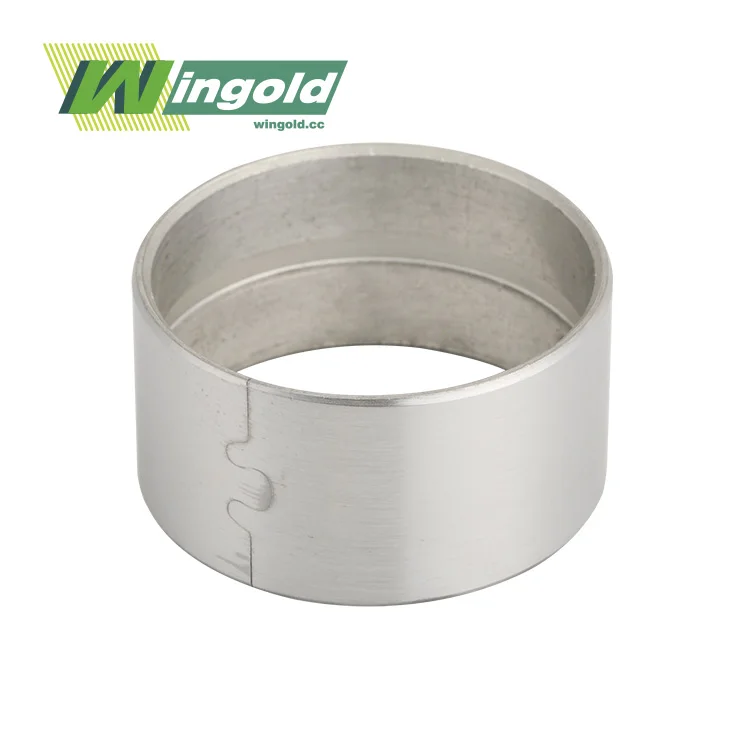
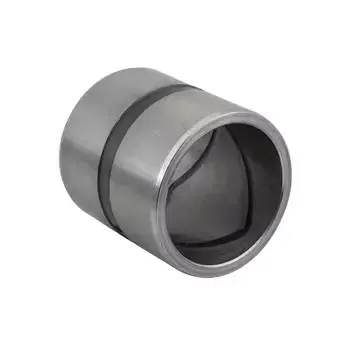
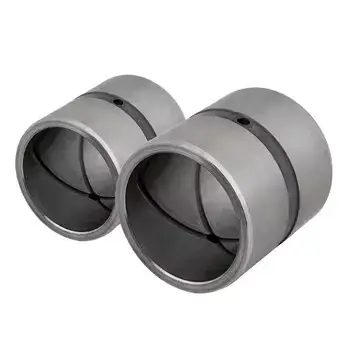
The WGB250 hardened bearing sleeves are an example of modern engineering. They are made of high-quality alloy steel and have a hardness value of 58 to 62 HRC. These sleeves have great surface finishes (Ra 0.2–0.4 μm) and keep their sizes within ±0.01 mm, which makes sure they fit and work perfectly in important situations. The working temperature range is from -40°C to 200°C, so it can be used in a wide range of industrial settings and hold loads of up to 2000 kN.
Superior Performance Characteristics
Improved resilience of these covers comes from improved heat treatment methods that make surfaces harder, able to extend product life even in harsh working situations. Precision engineering methods make sure that measurements are accurate and that the surface is smooth. This makes it easier to use and lowers the friction coefficients by a large amount. These sleeves have a high load capacity because they are made with special materials and follow special design rules.
They can handle heavy loads without deforming, so they can be used reliably in tough situations. For procurement pros and engineers, knowing these key benefits—like longer service life, less downtime, and better working efficiency—is important for choosing the right type of cover for their equipment. Comparative views show why strengthened arms are a smart investment for lowering equipment's lifecycle costs and keeping it running at its best in a number of different industries.
The Science Behind the Wear and Deformation Resistance
Advanced material selection and careful production processes are the reasons why hardened bearing sleeves are so resistant to wear and damage. The metallurgy change that happens during hardening changes the crystal structure of the material in a basic way. This makes a thick, wear-resistant layer on the surface that can withstand repeated rubbing and loading cycles without breaking down.
Heat Treatment and Microstructural Enhancement
These sleeves are usually made from hardened steel grades that meet strict industry hardness standards. They are then put through controlled heat treatment and hardening processes that smooth out their grain and make them tougher and harder on the outside. The heating and cooling processes make martensitic structures that are very strong but still flexible enough to not break easily when shock loads are applied. The cuffs can withstand both slow wear and sudden impact damage thanks to their careful balance of stiffness and toughness.
Quality Control and Surface Engineering
Strict quality control measures, such as full hardness tests and mechanical analysis, make sure that the product always works well when it's under stress. Surface engineering methods like nitriding or using special coatings lower friction coefficients even more and make things less likely to break down. These processes make protective layers that protect the base material and keep the smooth surface properties that are needed for the best bearing performance.
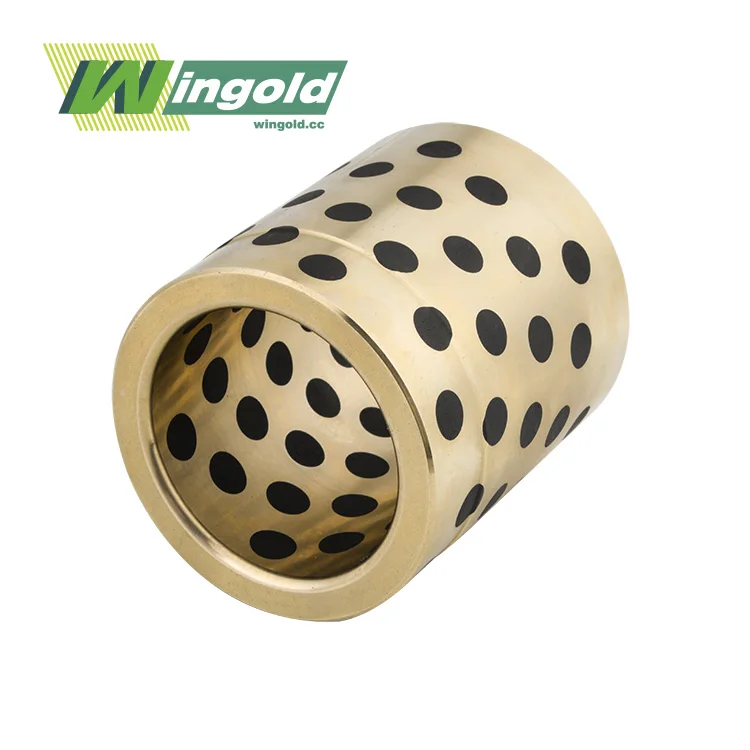
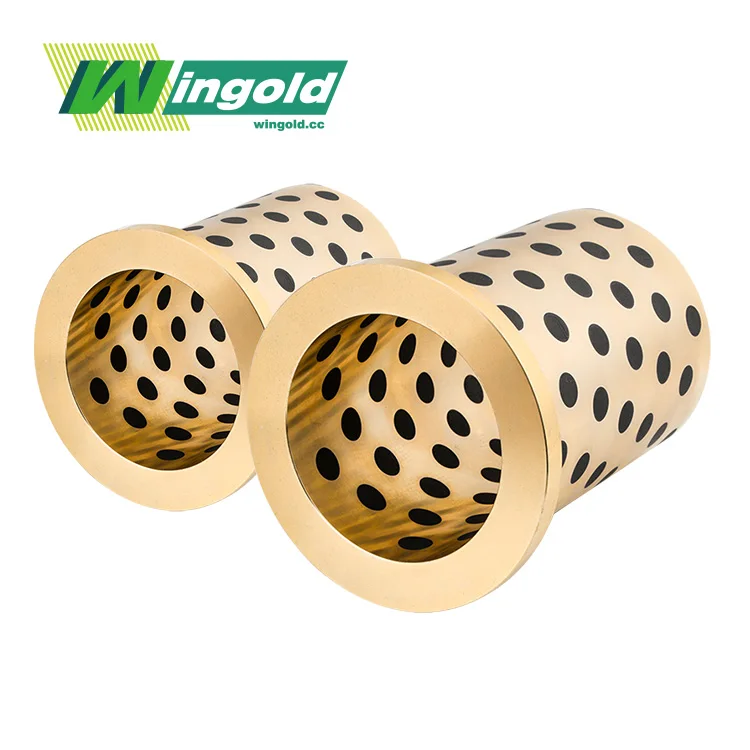
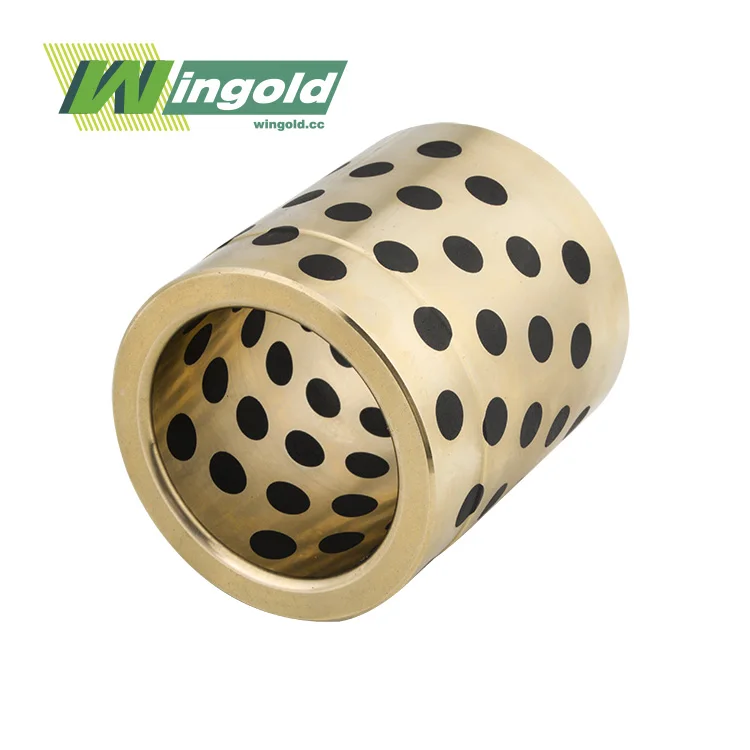
Using HT250 as the base material and adding solid grease qualities, the WGB-250 cast iron inlay bearing is an example of cutting edge material engineering. This design uses less material and can be used instead of JDB-2 in situations where the pressure stays below 14.5N/mm². It does this while still meeting performance standards and saving a lot of money. Modern strengthened bearing systems are very flexible, as shown by their use in mold guide supports and injection molding machine mold frames.
Comparing Hardened Bearing Sleeves: What Makes Them Superior?
When looking at bearing plates, harder ones are better than soft or softened ones because they are much more resistant to wear and can handle more bending under working loads. The difference in performance is especially clear in high-stress situations, where regular covers quickly break down and change size, which makes the system less accurate and reliable.
Cost-Benefit Analysis and Long-term Value
From a cost-benefit point of view, the initial investment may be higher, but the longer lifespan and lower upkeep needs mean that the total cost of ownership is much lower. Studies in the industry show that strengthened sleeves can last three to five times longer than regular ones. This saves a lot of money because they don't need to be replaced as often and production stops less often.
Selection Criteria and Application Considerations
To choose the right hardened bearing sleeve, you need to carefully consider practical factors such as the load requirements, the surroundings, the speed parameters, and the individual machine setups. The inner diameter ranges from 50 to 500 mm and the outer diameter ranges from 60 to 550 mm. This allows for a wide range of machinery requirements while still meeting performance standards. Because they are thermally stable, these tubes keep their mechanical qualities over a wide range of temperatures. This makes them useful in a variety of industrial settings.
Even though global names are reliable, buying teams should look at situations where choices like metal sleeves might not be as wear-resistant or need to be serviced more often. Hardened sleeves are often chosen for critical uses where dependability cannot be lost because they can handle more weight and stay stable at high temperatures.
Maintaining Hardened Bearing Sleeves to Maximize Lifespan and Efficiency
Proper maintenance protocols are crucial for unlocking the full potential of hardened bearing sleeves, ensuring they deliver long-term reliability and cost efficiency throughout their operational lifespan. Proactive maintenance strategies can extend service intervals while maintaining peak performance levels that justify the initial investment in premium components.
Best Practices and Inspection Protocols
With the help of customized plans and regular checks, wear patterns and possible problems can be found early on, before they become expensive fails. Monitoring methods include checking for changes in dimensions, checking the roughness of the surface, and analyzing vibrations to find new problems. The right installation steps make sure that everything fits and lines up perfectly, which stops earlier wear that can happen from being out of balance or being loaded incorrectly.
Common Maintenance Pitfalls and Prevention
Avoiding common mistakes such as improper mounting procedures, contamination exposure, or inadequate lubrication can significantly reduce premature failures and extend operational life. Contamination control measures protect the precision surfaces from abrasive particles that could compromise performance, while proper handling procedures prevent damage during installation and maintenance activities.
Industry case studies from European and American manufacturing facilities demonstrate how proactive maintenance strategies can extend sleeve lifespan by 40-60% while minimizing unexpected downtime. These documented successes reinforce the business case for investing in premium hardened bearing sleeves combined with comprehensive maintenance programs.
Procurement Insights: Sourcing Quality Components for Your Business
Sourcing hardened bearing sleeves requires careful consideration of supplier reliability, product authenticity, and logistical factors to meet production demands effectively. The procurement process involves evaluating multiple criteria that impact both immediate operational needs and long-term strategic objectives.
Supplier Evaluation and Verification
Key procurement factors include understanding minimum order quantities, lead times, and OEM customization capabilities to accommodate specific machinery requirements. Verifying supplier credentials, including manufacturing certifications, quality management systems, and customer references, protects against counterfeit or substandard products that could compromise equipment reliability.
Pricing and Logistics Considerations
Pricing transparency plays a vital role in procurement decisions, with opportunities to leverage bulk purchasing agreements and expedited shipping options to balance cost considerations with delivery urgency. The ability to provide customized solutions for non-standard applications often justifies premium pricing when standard components cannot meet specific operational requirements.
This procurement framework empowers industrial buyers to make informed purchasing decisions aligned with operational requirements and budget constraints while ensuring reliable supply chain performance.
Conclusion
Hardened bearing sleeves resist wear and deformation through sophisticated metallurgical engineering that creates superior surface hardness and structural integrity. The combination of advanced materials, precision manufacturing processes, and rigorous quality control ensures these components deliver exceptional performance in demanding industrial applications. Understanding the science behind their resistance capabilities enables informed procurement decisions that optimize equipment reliability while minimizing lifecycle costs. The investment in premium hardened bearing solutions pays dividends through extended service intervals, reduced maintenance requirements, and improved operational efficiency across diverse industrial sectors.
FAQ
How do hardened bearing sleeves differ from regular bearing sleeves in terms of lifespan?
Hardened bearing sleeves typically offer 3-5 times longer service life compared to regular sleeves due to their superior material hardness (58-62 HRC) and resistance to wear and deformation. This results in significantly reduced maintenance frequency and downtime compared to conventional alternatives.
What materials are commonly used for manufacturing hardened bearing sleeves?
Common materials include high-grade hardened alloy steels such as chromium steel alloys, which meet stringent industry hardness standards. The WGB250 sleeves utilize premium alloy steel construction with specialized heat treatment to achieve optimal hardness and durability characteristics.
Can hardened bearing sleeves be customized to fit specific industrial applications?
Yes, manufacturers provide extensive OEM customization services, adapting sleeve dimensions, hardness levels, surface treatments, and material compositions to align with unique machinery requirements and operational environments. Custom solutions can accommodate non-standard sizes and specialized performance criteria.
Partner with Wingold for Premium Hardened Bearing Solutions
Wingold specializes in delivering premium hardened bearing sleeves designed for demanding industrial applications across heavy machinery, automotive, and manufacturing sectors. Our comprehensive product portfolio includes the innovative WGB250 sleeves and cost-effective WGB-250 cast iron inlaid bearings that provide exceptional wear resistance and deformation tolerance. With over ten years of industry expertise, advanced CNC machining capabilities, and complete testing facilities, we ensure every component meets international standards including ISO 4383 and ASTM B22.
As a trusted hardened bearing sleeves manufacturer, we offer customized solutions, factory-direct pricing, and flexible ordering options to meet your specific requirements. Our streamlined production processes enable rapid prototyping and scalable manufacturing from samples to 10,000-ton annual capacity delivery. Contact us at info@wingold.cc to discuss your bearing requirements and discover how our technical expertise can optimize your equipment performance while reducing operational costs.
References
1. American Society for Testing and Materials. "Standard Specification for Bronze Castings for Bearings and Bushings." ASTM B22-17, 2017.
2. International Organization for Standardization. "Sintered Metal Bushes - Dimensions and Tolerances." ISO 4383:1991, 1991.
3. Budinski, Kenneth G. "Tribological Properties of Engineering Materials." ASM International Handbook of Materials Selection, 2002.
4. Neale, Michael J. "The Tribology Handbook: Second Edition." Butterworth-Heinemann Engineering Series, 1995.
5. Peterson, Marshall B. "Wear Control Handbook." American Society of Mechanical Engineers Press, 1980.
6. Williams, J.A. "Engineering Tribology: Cambridge Texts in Applied Mathematics." Cambridge University Press, 2005.