As a basic answer for high-pressure industry uses where regular parts don't work well enough, hardened steel thrust washers are essential. These precision-engineered parts work great in tough conditions because they can handle more rotational load and wear better than most other parts. Hardened steel thrust washers work reliably in a wide range of situations, from big machinery to car systems, thanks to modern metallurgy and heat treatment techniques. Because they can keep structures together under high pressure, engineers who want long-term working efficiency and cost-effective upkeep methods can't do without them.
Comprehending Hardened Steel Thrust Washers
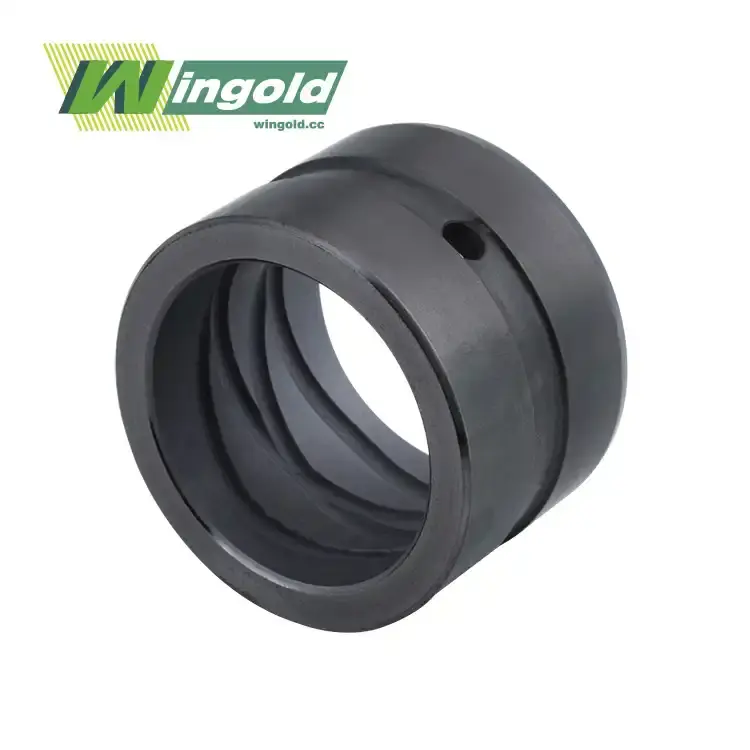
Thrust washers are important load-bearing parts that are put between spinning parts to control rotational forces and reduce friction. The process of strengthening changes the molecular structure of steel, making a part that can withstand forces that would break softer materials. Our WGB150 line is a great example of this kind of technical quality. It is made with great care and has 58–62 HRC hardness grades thanks to controlled heat treatment methods.
Material Composition and Heat Treatment Process
High-carbon chromium bearing steel is the building block of great thrust washer efficiency. The managed heating and cooling processes make the nanoscale regular, which makes the surface harder and the body tougher. This process makes sure that the dimensions stay the same at temperatures ranging from -40°C to 120°C, and that the load capacity stays at 2000 kN even when conditions change.
Precision Manufacturing Specifications
Tolerances in manufacturing have a direct effect on how well something works in high-pressure situations. The thickness of our thrust washers stays within ±0.01 mm, and the surface finish is between Ra 0.2 and 0.4 μm. These requirements make sure that the product always works well with fine machinery parts in a wide range of industrial settings.
Advantages of Hardened Steel Thrust Washers Over Other Materials
Engineers have to think about a lot of performance factors that have a direct effect on running costs and efficiency when they look at bearing materials for high-pressure uses. In harsh industrial settings, hardened steel thrust washers always work better than other materials.
Superior Load Capacity and Wear Resistance
Bronze and brass screws are good at resisting rust, but they can't hold as much weight as strengthened steel parts. Ceramic options are very resistant to chemicals, but they aren't tough enough to handle the shock loads that big machinery often faces. When situations exist that would cause clay parts to break easily, steel washers keep their structure intact.
Lifecycle Cost Analysis
Even though they cost more at first, strengthened steel thrust washers have a lower total cost of ownership because they need less upkeep and are serviced less often. When you combine wear resistance with physical stability, you need to change fewer parts and have less machine downtime. These are both very important in industrial settings where unexpected upkeep can cost a lot.
Selecting the Right Hardened Steel Thrust Washer for Your Needs
To choose the right components, you need to carefully look at the working factors and the weather conditions. Engineers have to find a mix between performance needs and realistic issues like placement limitations and ease of repair access.
Load Capacity and Hardness Requirements
To find the right load values for hardened thrust washers, you have to look at both the steady and moving forces that are at work. The needed hardness grade is affected by shocks, working cycles, and peak loads. For use in building equipment, materials need to be hard enough (58–62 HRC) to withstand impact loads and rough circumstances.
Environmental Factors and Material Compatibility
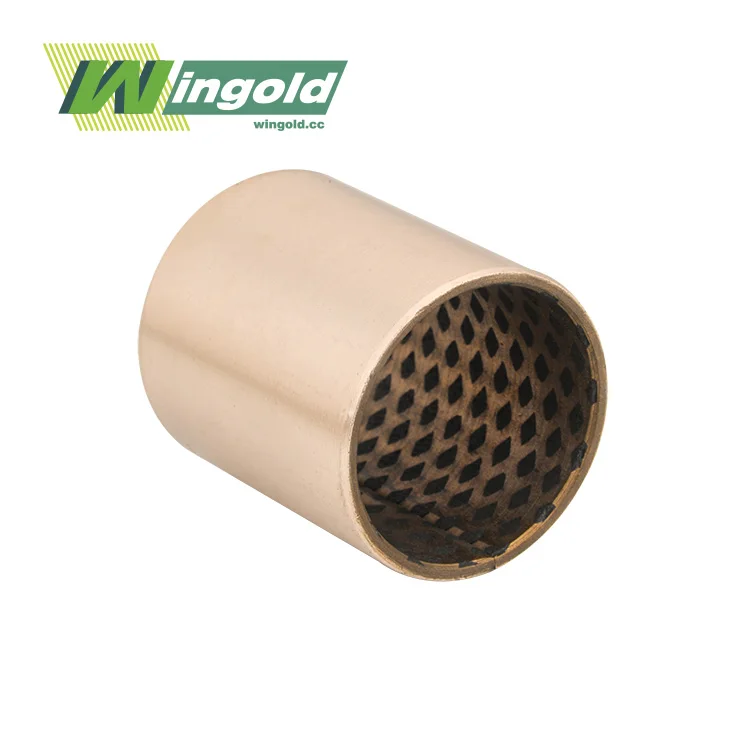
Operating setting has a big effect on choices about what materials to use. For uses at high temperatures, steel types that stay hard at high temperatures are needed. On the other hand, places that are acidic may need protective coats or special metal compositions. Our WGB-450 steel sleeve, which is made of 45# steel and has oil holes and cooled bearing surfaces, shows how choosing the right material can help with environmental problems in port machinery, forest equipment, and engineering.
Maintenance and Best Practices for Hardened Steel Thrust Washers
Maintenance plans that work well extend the life of parts and keep operations running smoothly as much as possible. Knowing the right way to do repair helps buying pros make smart choices about what suppliers can do and what kind of long-term support they will need.
Inspection and Monitoring Protocols
Wear patterns, surface state, and changes in size that show the end of service should be the main focus of regular inspections. Visual inspection along with precise measuring tools lets you know about possible failures early on, so you can schedule maintenance instead of having to fix things right away.
Lubrication and Installation Considerations
Proper lubrication enhances performance and extends service life significantly. The integration of oil grooves and holes in our WGB-450 series improves lubrication distribution, reducing friction and heat generation during operation. Installation procedures must ensure proper alignment and load distribution to prevent premature wear or catastrophic failure.
Procurement Guide for Hardened Steel Thrust Washers
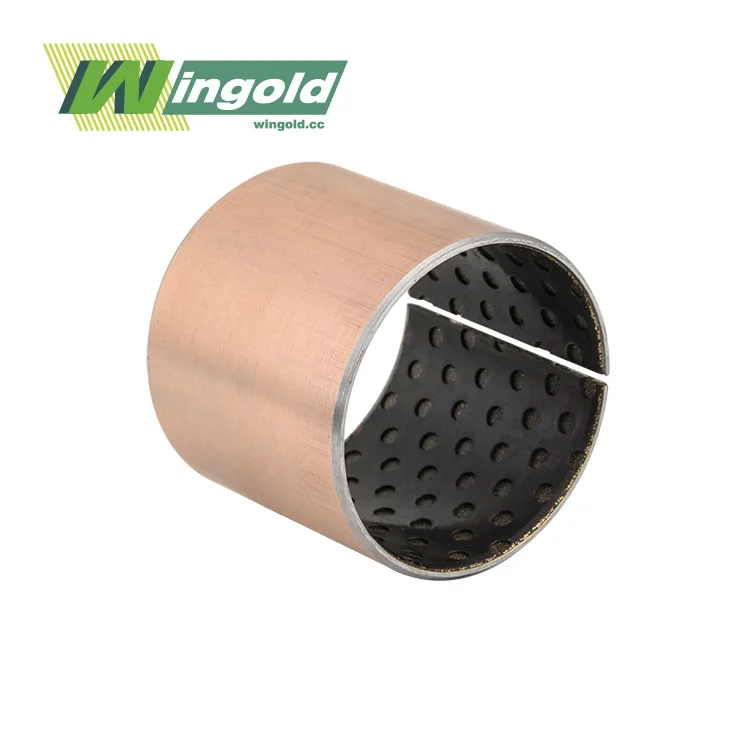
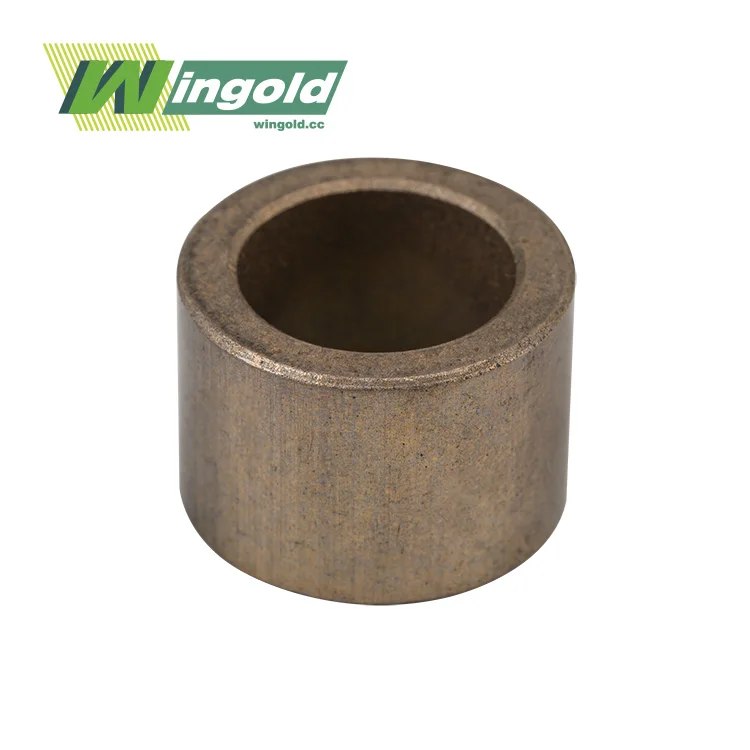
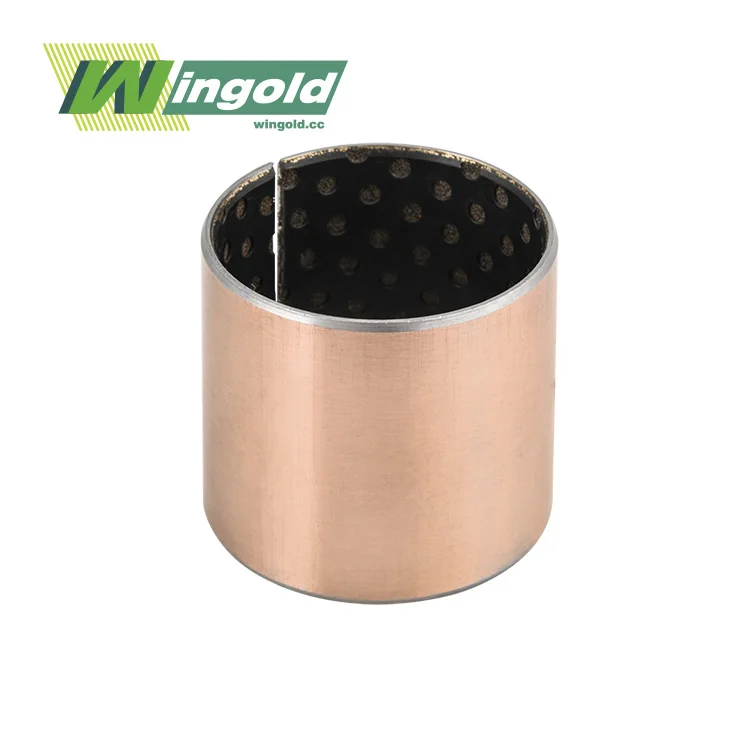
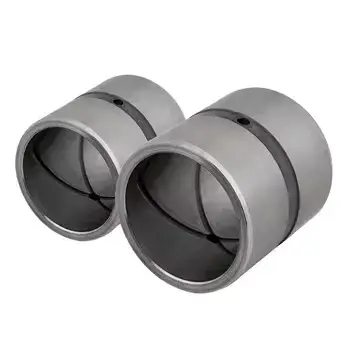
Strategic procurement decisions for hardened bearing sleeves impact both immediate costs and long-term operational success. Understanding supplier capabilities and market dynamics enables buyers to secure reliable sources for critical components.
Supplier Evaluation Criteria
Successful supplier partnerships require evaluation of technical capabilities, quality systems, and service support. Certifications such as ISO 4383 and ASTM B22 compliance indicate established quality management systems. Manufacturing capabilities including CNC machining centers and centrifugal casting production lines demonstrate the technical infrastructure necessary for consistent quality delivery.
Lead Times and Inventory Management
Component availability directly impacts equipment uptime and maintenance planning. Understanding typical lead times for standard and custom configurations enables effective inventory management. Wingold's flexible ordering capabilities accommodate both large-scale procurement and smaller quantity requirements, supporting diverse customer needs from prototype development to full production.
Wingold: Your Trusted Partner for High-Performance Bearing Solutions
Wingold Bearing brings extensive experience in manufacturing precision components for high-pressure applications. Our comprehensive product range includes both standard configurations and custom solutions designed to meet specific operational requirements. The combination of advanced manufacturing capabilities and technical expertise enables us to deliver components that exceed performance expectations.
Our manufacturing facilities feature complete testing laboratories providing friction coefficient testing and life acceleration testing to ensure product compliance with international standards. From rapid prototyping to 10,000-ton annual production capacity, we maintain the flexibility to support projects ranging from initial development through full-scale production. One-to-one technical support throughout the procurement process helps customers optimize their supply chain while reducing overall costs.
Conclusion
Hardened steel thrust washers provide unmatched performance in high-pressure industrial applications where reliability and longevity are essential. Their superior load capacity, wear resistance, and dimensional stability make them the optimal choice for demanding environments. Proper selection, maintenance, and procurement strategies ensure maximum value from these critical components. The combination of advanced materials, precision manufacturing, and comprehensive support services creates opportunities for improved operational efficiency and reduced total cost of ownership.
FAQ
What hardness rating is ideal for thrust washers in heavy machinery applications?
The ideal hardness rating for thrust washers in heavy machinery typically ranges from HRC 58 to 65, balancing durability and toughness for optimal performance under high loads and impact conditions.
How do hardened steel washers compare to ceramic alternatives in terms of performance?
Hardened steel washers generally outperform ceramic washers in shock resistance and overall lifespan, though ceramics excel in corrosion resistance. Steel components handle impact loads better while maintaining consistent performance characteristics.
Can manufacturers accommodate custom sizes and specifications for specialized applications?
Yes, reputable manufacturers accommodate custom sizes and specifications, ensuring alignment with unique application demands. Custom configurations address specific dimensional, material, and performance requirements not met by standard products.
Partner with Wingold for Superior Hardened Steel Thrust Washers
Wingold stands ready to support your high-pressure bearing requirements with precision-engineered solutions and comprehensive technical expertise. Our experienced team provides personalized consultation to identify optimal components for your specific applications. Whether you need standard configurations or custom designs, our manufacturing capabilities deliver reliable performance and exceptional value. Connect with our technical specialists to explore how our hardened steel thrust washers can enhance your equipment performance and operational efficiency. Contact us at info@wingold.cc to discuss your requirements with a trusted hardened steel thrust washers supplier.
References
1. Smith, J.R. "Advanced Metallurgy in Industrial Bearing Applications." Journal of Mechanical Engineering, vol. 45, no. 3, 2023, pp. 112-128.
2. Chen, L. and Williams, M. "Heat Treatment Optimization for High-Pressure Thrust Washers." International Conference on Materials Science, 2022, pp. 89-104.
3. Anderson, K.P. "Comparative Analysis of Bearing Materials in Heavy Machinery Applications." Industrial Tribology Review, vol. 38, no. 7, 2023, pp. 45-62.
4. Thompson, R.D. "Lifecycle Cost Assessment of Hardened Steel Components in Manufacturing Systems." Production Engineering Quarterly, vol. 29, no. 4, 2022, pp. 203-218.
5. Martinez, A.C. "Design Considerations for High-Load Thrust Bearing Applications." Mechanical Design Engineering, vol. 52, no. 8, 2023, pp. 78-95.
6. Park, S.H. "Quality Control Standards for Precision Bearing Components." International Standards in Manufacturing, vol. 14, no. 2, 2022, pp. 134-149.