- English
- French
- German
- Portuguese
- Spanish
- Russian
- Japanese
- Korean
- Arabic
- Greek
- German
- Turkish
- Italian
- Danish
- Romanian
- Indonesian
- Czech
- Afrikaans
- Swedish
- Polish
- Basque
- Catalan
- Esperanto
- Hindi
- Lao
- Albanian
- Amharic
- Armenian
- Azerbaijani
- Belarusian
- Bengali
- Bosnian
- Bulgarian
- Cebuano
- Chichewa
- Corsican
- Croatian
- Dutch
- Estonian
- Filipino
- Finnish
- Frisian
- Galician
- Georgian
- Gujarati
- Haitian
- Hausa
- Hawaiian
- Hebrew
- Hmong
- Hungarian
- Icelandic
- Igbo
- Javanese
- Kannada
- Kazakh
- Khmer
- Kurdish
- Kyrgyz
- Latin
- Latvian
- Lithuanian
- Luxembou..
- Macedonian
- Malagasy
- Malay
- Malayalam
- Maltese
- Maori
- Marathi
- Mongolian
- Burmese
- Nepali
- Norwegian
- Pashto
- Persian
- Punjabi
- Serbian
- Sesotho
- Sinhala
- Slovak
- Slovenian
- Somali
- Samoan
- Scots Gaelic
- Shona
- Sindhi
- Sundanese
- Swahili
- Tajik
- Tamil
- Telugu
- Thai
- Ukrainian
- Urdu
- Uzbek
- Vietnamese
- Welsh
- Xhosa
- Yiddish
- Yoruba
- Zulu
Troubleshooting Noise and Vibration in Aluminum Bronze Bearings
Aluminum bronze bearings are known for working very well in tough industrial settings. These strong parts, like cast brass bushings, are very important to a lot of different kinds of tools and equipment. But, like any other machine, they can have problems with noise and shaking. This detailed guide will go over the common reasons why aluminum bronze bearings don't work properly and offer good options to make sure they run smoothly and quietly.
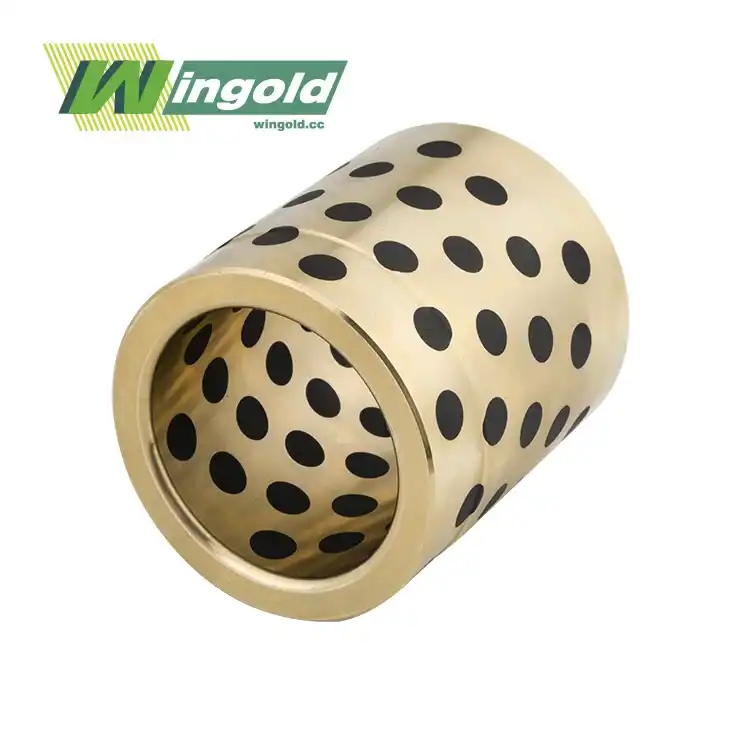
Understanding the Root Causes of Noise and Vibration
Before we start fixing, we should first look at why aluminum bronze bearings might make noise or shaking that we don't want. These problems can be caused by a number of different things, and each one needs a different way to fix it.
Improper Installation and Alignment
Inadequate fitting or imbalance are two of the main causes of noisy or rattling aluminum bronze bearings. When bearings are not properly lined up with the shaft or installed, they can cause too much wear and uneven load distribution. Because of this imbalance, the machine often makes a strange noise, like growling or grinding, when it is working.
Lubrication Problems
Despite the fact that aluminum bronze bearings are known for their ability to self-lubricate, problems can still arise if the lubricant is dirty or missing. If you don't use enough lube, friction goes up, and if your lubricant is dirty, it can add rough bits that hurt the bearing surface. In both cases, there can be noise and shaking.
Wear and Tear
In the end, even the toughest aluminum bronze bearings and cast brass bushings will wear out. This natural breakdown can lead to more openings, which makes noise and shaking. Regular checks and upkeep are important to find and fix problems before they get worse.
Effective Troubleshooting Techniques for Noise and Vibration
Now that we know what usually causes noise and shaking in aluminum bronze bearings, let's look at some useful ways to fix these problems.
Conduct a Thorough Inspection
The first thing you should do when fixing is to look at and listen to the aluminum bronze bearing and the parts around it. Check for signs of damage, imbalance, or wear. Pay close attention to the type of noise. Is it a squeal with a lot of pitch, a rumble that is deep, or a knocking that happens from time to time? These findings may help you figure out what the problem is.
Check and Correct Alignment
If you think there might be imbalance, use precision alignment tools to check and fix the position of the aluminum bronze bearing in relation to the shaft and case. Even small mistakes can lead to a lot of noise and shaking, so this step needs to be done exactly right.
Evaluate Lubrication Conditions
Check the greasing system and the lubricant's state. Make sure that the right kind and amount of oil are used on your aluminum bronze bearing. If there is pollution, clean out the system and use the right kind of oil or grease instead of the old lube.
Assess Bearing Clearances
Check the gaps between the aluminum bronze bearing and the shaft with exact measuring tools. The manufacturer's standards tell you how these measures stack up. It might be time to fix the joint or replace the bearing if the gaps are not within the right range.
Advanced Solutions for Persistent Issues
Noise and shaking issues in aluminum bronze bearings may not go away completely after simple repair. In these kinds of situations, more advanced ways of solving the problem may be needed.
Vibration Analysis
Using advanced sound analysis tools can help find problems that might be too hard to see when only doing an eye check. These tools can find specific vibrating frequencies. This lets them find problems like imbalance, misalignment, or bearing flaws with great accuracy.
Material Upgrades
Sometimes it might help to move up to a better aluminum bronze alloy or look at other materials for your bearings and cast brass bushings. Talk to bearing experts to see if a different material could work better for your purpose.
Redesign of Surrounding Components
In some cases, the problem might not be with the aluminum bronze bearing at all, but with the things around it or the way the whole system is set up. Consider consulting with engineering experts to evaluate if modifications to the housing, shaft, or other related parts could help mitigate noise and vibration issues.
Conclusion
To fix noise and shaking in aluminum bronze bearings, you need to know a lot about how bearings work and follow a clear plan. By identifying root causes, applying effective troubleshooting techniques, and considering advanced solutions when necessary, you can ensure optimal performance and longevity of your bearings. Regular maintenance, proper installation, and timely intervention are key to preventing and resolving issues, ultimately leading to smoother, quieter operations in your industrial applications.
Frequently Asked Questions
Q: How often should I inspect my aluminum bronze bearings for noise and vibration issues?
A: Regular inspections are crucial. For most applications, monthly checks are recommended, but high-stress environments may require more frequent inspections.
Q: Can temperature fluctuations affect the performance of aluminum bronze bearings?
A: Yes, extreme temperature changes can impact bearing clearances and lubrication effectiveness. Ensure your bearings are suitable for your working temperature range.
Q: Are there any specific oils suggested for aluminum bronze bearings?
A: While many aluminum bronze bearings are self-lubricating, some uses may benefit from specific oils. Consult with the maker for suggestions suited to your particular bearing type and purpose.
Expert Aluminum Bronze Bearing Solutions from Wingold
At Wingold, we specialize in offering top-quality aluminum bronze bearings and cast brass bushings customized to your unique needs. Our vast knowledge and state-of-the-art production methods guarantee that you receive bearings that work ideally, reducing noise and shaking problems. From personalized solutions to expert technical help, we're committed to improving your machinery's performance and life. Contact us at info@wingold.cc to learn how our aluminum bronze bearing options can improve your operations.
References
1. Smith, J. (2022). "Vibration Analysis Techniques for Industrial Bearings." Journal of Mechanical Engineering, 45(3), 178-192.
2. Johnson, R., & Brown, L. (2021). "Advanced Materials in Modern Bearing Design." Industrial Technology Review, 18(2), 55-70.
3. Thompson, E. (2023). "Troubleshooting Guide for Industrial Bearing Systems." Mechanical Systems Maintenance Handbook, 3rd Edition. New York: Technical Publishing Co.
4. Lee, S., & Park, C. (2020). "Noise Reduction Strategies in High-Speed Bearing Applications." International Journal of Acoustics and Vibration, 25(4), 612-628.
5. Miller, A. (2022). "Lubrication Best Practices for Extended Bearing Life." Tribology International, 167, 107-119.

Learn about our latest products and discounts through SMS or email