Understanding PTFE Thrust Washers and Their Applications
PTFE thrust washers are integral components in various mechanical systems, designed to bear axial loads while minimizing friction between moving parts.
These specialized washers, manufactured from durable polytetrafluoroethylene (PTFE), serve a critical role in maintaining smooth and reliable machine operation. By acting as a barrier between rotating or sliding surfaces, they reduce direct metal-to-metal contact, preventing damage and prolonging component life. Their lightweight construction, self-lubricating nature, and resistance to moisture or contaminants further enhance performance, making PTFE thrust washers an essential solution for industries requiring efficiency, reliability, and long-term operational stability across demanding conditions.
Composition and Properties of PTFE Thrust Washers
PTFE thrust washers are distinguished by their remarkable material characteristics, which set them apart from conventional alternatives. With an exceptionally low friction coefficient, usually between 0.05 and 0.10, they enable smooth, efficient movement while reducing wear on adjoining surfaces. Their chemical inertness ensures reliable performance in corrosive or chemically aggressive environments, making them suitable for use with solvents, fuels, and acids. Furthermore, their impressive temperature range, spanning from –200°C to +260°C, supports consistent operation in both cryogenic and high-heat systems, providing versatility across diverse engineering applications.
Industries and Applications
The wide-ranging capabilities of PTFE thrust washers make them indispensable in a variety of industries, where their benefits address specific operational challenges. In the automotive sector, they enhance reliability in steering assemblies, gearboxes, and transmissions. Aerospace engineers rely on their lightweight and high-performance properties in jet engines and precision control systems. Industrial equipment, including pumps, compressors, and conveyor machinery, benefits from their self-lubricating ability to minimize maintenance needs. Additionally, the medical field utilizes them in imaging and diagnostic devices, where biocompatibility and consistent, non-reactive performance are critical to safe operation.
Factors Affecting PTFE Thrust Washer Lifespan
Understanding the factors that influence the longevity of PTFE thrust washers is crucial for implementing effective strategies to extend their service life.
Operating Conditions
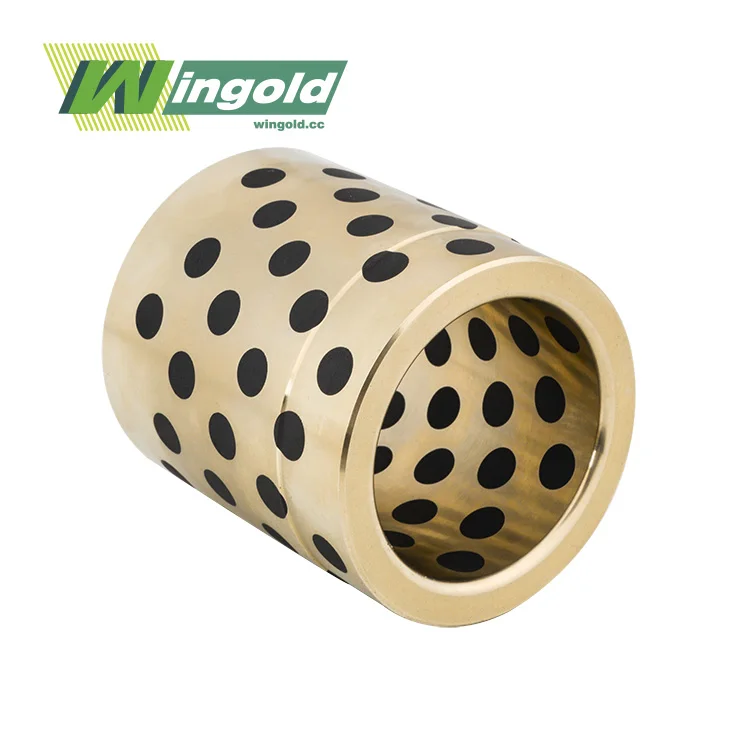
The environment in which PTFE thrust washers operate significantly impacts their lifespan. In applications where they work alongside self lubricating bushings, overall performance can be influenced by factors such as temperature, load, and motion. Extreme temperatures, beyond the material's recommended range, can lead to deformation or degradation. Exposure to certain chemicals, despite PTFE's general chemical resistance, may cause deterioration over time. Fluctuating loads or frequent start-stop cycles can accelerate wear, particularly if the washer is not designed for such conditions.
Quality of Materials and Manufacturing
The quality of PTFE used and the manufacturing process employed play pivotal roles in determining a thrust washer's durability. High-grade PTFE, such as that used by Wingold Bearing, ensures superior wear resistance and consistent performance. Precision manufacturing techniques, including proper sintering and molding processes, contribute to the structural integrity and dimensional accuracy of the washers, directly influencing their longevity.
Installation and Maintenance Practices
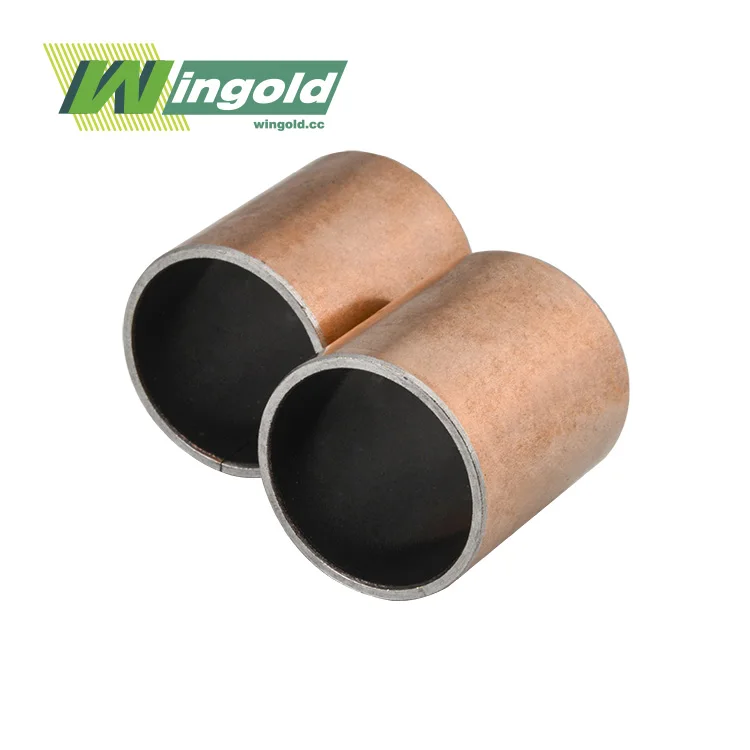
Proper installation is paramount to the performance and lifespan of PTFE thrust washers. In systems where they operate together with composite bushings, alignment and fit become even more critical, as any mismatch between components can lead to uneven wear and premature failure. Regular maintenance, including periodic inspection and cleaning, helps identify potential issues before they escalate. Inadequate lubrication in applications where additional lubrication is recommended can increase friction and wear, despite PTFE’s self-lubricating properties.
Strategies to Maximize PTFE Thrust Washer Lifespan
Implementing targeted strategies can significantly extend the service life of PTFE thrust washers, ensuring optimal performance and cost-effectiveness.
Proper Selection and Sizing
Choosing the right PTFE thrust washer for your specific application is crucial. Consider factors such as load capacity, operating speed, and environmental conditions when selecting a washer. Ensure the washer's dimensions, including inner diameter, outer diameter, and thickness, are appropriate for your application. Wingold Bearing offers customizable solutions, allowing for optimal sizing and performance tailored to your needs.
Optimizing Installation Procedures
Correct installation is vital for maximizing the lifespan of PTFE thrust washers. Ensure proper alignment during installation to distribute load evenly across the washer surface. Use appropriate tools and techniques to avoid damaging the washer during installation. Consider the mating surface quality and finish, as rough surfaces can accelerate wear.
Implementing Effective Maintenance Routines
Regular maintenance is key to prolonging the life of PTFE thrust washers. Establish a schedule for periodic inspections to check for signs of wear, deformation, or contamination. Clean the washers and surrounding areas to remove debris that could cause abrasion. In applications where additional lubrication is beneficial, ensure proper lubrication practices are followed, using compatible lubricants that won't degrade the PTFE material.
Monitoring and Controlling Operating Conditions
Maintain optimal operating conditions to extend PTFE thrust washer lifespan. Monitor temperature levels to ensure they remain within the recommended range for PTFE. Control load conditions to prevent overloading, which can lead to premature wear or deformation. In environments where chemical exposure is a concern, implement measures to minimize contact with potentially harmful substances.
Conclusion
Extending the service life of PTFE thrust washers requires a multifaceted approach, combining proper selection, installation, maintenance, and operating practices. By understanding the unique properties of PTFE and implementing the strategies outlined in this article, you can significantly enhance the longevity and performance of your thrust washers. For high-quality PTFE thrust washers and expert guidance on their application and maintenance, consider partnering with a reputable PTFE thrust washer manufacturer and supplier like Wingold Bearing. Our extensive experience and commitment to quality ensure that you receive products and support that meet the highest industry standards. For more information or to discuss your specific PTFE thrust washer needs, please contact us at info@wingold.cc.
FAQ
How often should PTFE thrust washers be replaced?
The replacement frequency depends on operating conditions and application. Regular inspections can help determine when replacement is necessary.
Can PTFE thrust washers be used in high-temperature applications?
Yes, PTFE thrust washers can operate in temperatures up to 260°C, making them suitable for many high-temperature applications.
Are PTFE thrust washers suitable for use in wet environments?
PTFE's hydrophobic nature makes these washers excellent for wet environments, resisting water absorption and maintaining performance.