- English
- French
- German
- Portuguese
- Spanish
- Russian
- Japanese
- Korean
- Arabic
- Greek
- German
- Turkish
- Italian
- Danish
- Romanian
- Indonesian
- Czech
- Afrikaans
- Swedish
- Polish
- Basque
- Catalan
- Esperanto
- Hindi
- Lao
- Albanian
- Amharic
- Armenian
- Azerbaijani
- Belarusian
- Bengali
- Bosnian
- Bulgarian
- Cebuano
- Chichewa
- Corsican
- Croatian
- Dutch
- Estonian
- Filipino
- Finnish
- Frisian
- Galician
- Georgian
- Gujarati
- Haitian
- Hausa
- Hawaiian
- Hebrew
- Hmong
- Hungarian
- Icelandic
- Igbo
- Javanese
- Kannada
- Kazakh
- Khmer
- Kurdish
- Kyrgyz
- Latin
- Latvian
- Lithuanian
- Luxembou..
- Macedonian
- Malagasy
- Malay
- Malayalam
- Maltese
- Maori
- Marathi
- Mongolian
- Burmese
- Nepali
- Norwegian
- Pashto
- Persian
- Punjabi
- Serbian
- Sesotho
- Sinhala
- Slovak
- Slovenian
- Somali
- Samoan
- Scots Gaelic
- Shona
- Sindhi
- Sundanese
- Swahili
- Tajik
- Tamil
- Telugu
- Thai
- Ukrainian
- Urdu
- Uzbek
- Vietnamese
- Welsh
- Xhosa
- Yiddish
- Yoruba
- Zulu
How do POM bushings perform in dusty environments?
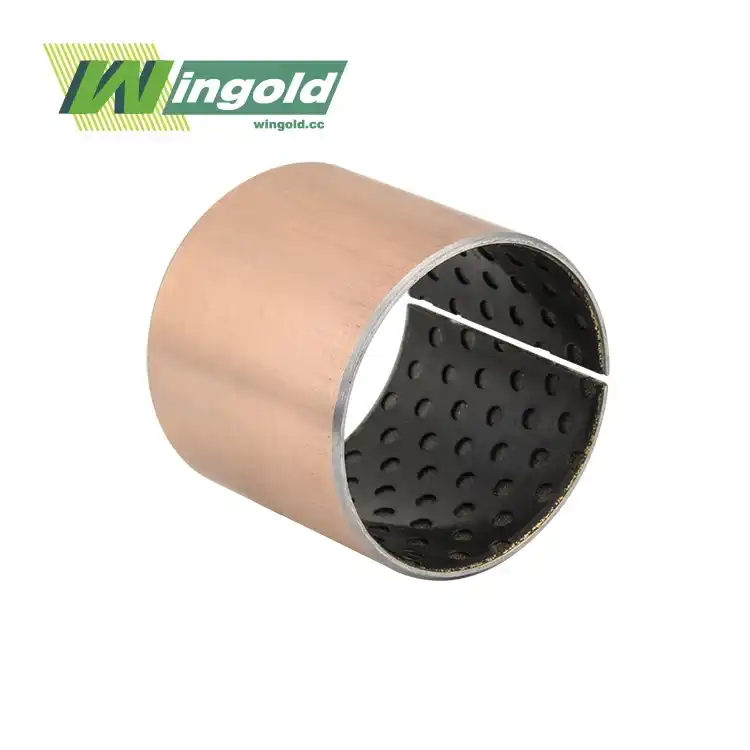
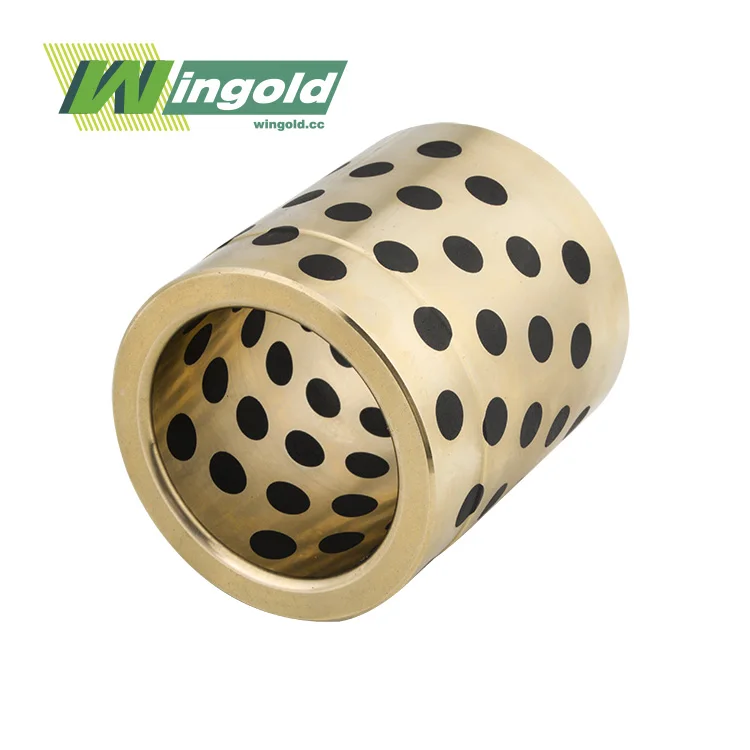
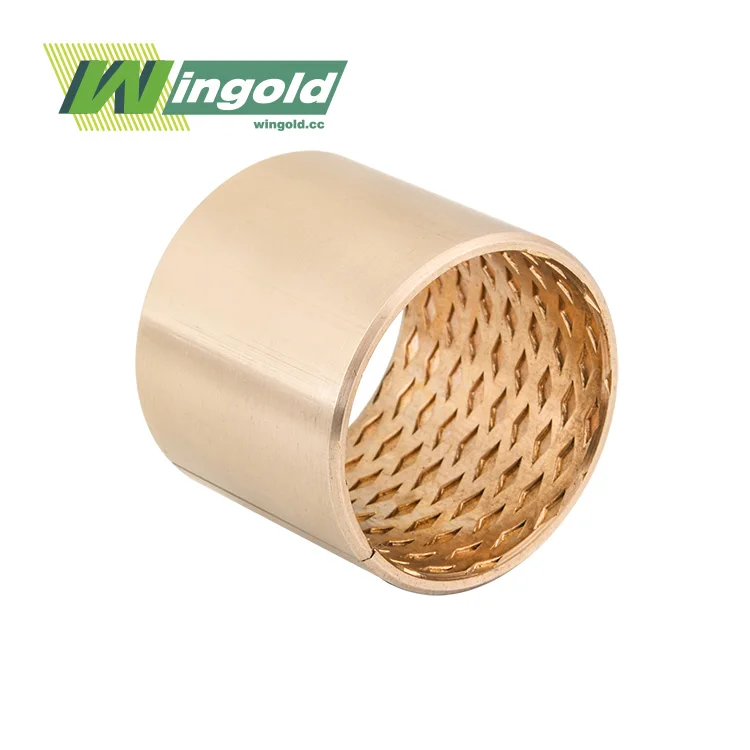
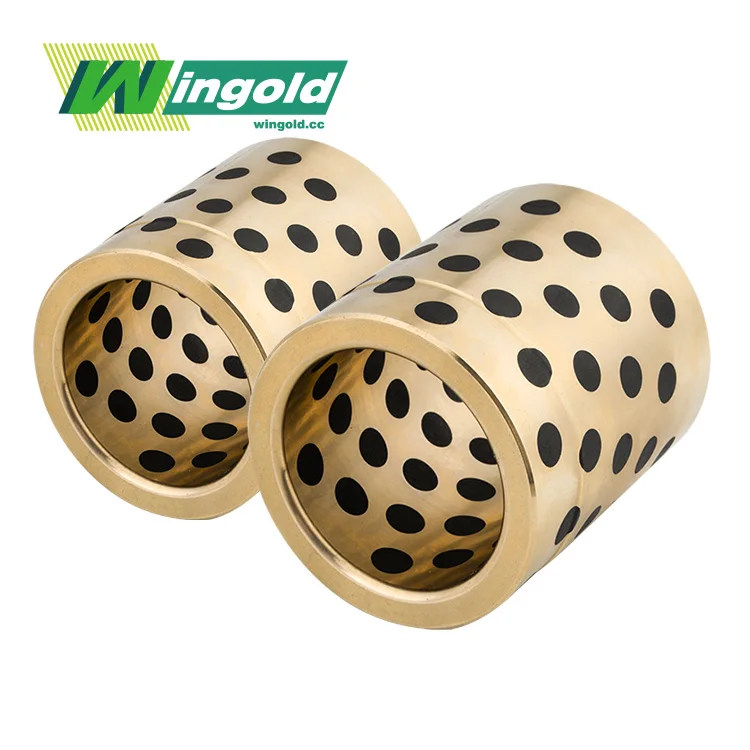
An important part of understanding how acetal-based bushings work in dirty environments is understanding how they are built. A pom composite bushing works really well in dusty places because it is made of several layers: a steel backing, a solid bronze interlayer, and a modified polyoxymethylene moving surface with oil indentations. These grease areas store lubricant and keep rough particles from coming into direct touch with surfaces that are mating. Because the material has a naturally low friction coefficient (0.05–0.25) and is chemically resistant, it can keep working even when small particles get into the bearing interface. This makes them better than standard metal bushings in mining, building, and farming machinery.
What Are POM Composite Bushings and Their Key Properties?
Knowing how these parts work from an engineering point of view helps buying teams make smart choices. The design of these bushings directly handles problems that big equipment has to deal with in the real world.
Multi-Layer Construction and Material Science
Our joints at Wingold have a three-tier system that is designed for tough situations. The steel backing makes the structure strong enough to handle rotational loads of up to 70 N/mm², and the polished porous bronze layer helps heat escape and mechanical bonding. The modified polyoxymethylene layer on the outside is about 0.3 to 0.5 mm thick and has oil holes put carefully that act as micro-reservoirs. This design approach lets the border lubrication keep going even when outside contamination threatens the bearing contact.
The composition of the material gives equipment developers important performance measures that can be measured. Our temperature range covers -40°C to 130°C, which is wide enough to handle the heat cycle that happens a lot in mobile equipment. Depending on the finish of the contact surface and the type of grease used, the friction coefficient stays the same between 0.05 and 0.25. This stability means that the amount of energy used is known, and the machine doesn't make much heat while it's running.
Self-Lubricating Characteristics and Maintenance Advantages
Unlike traditional brass or steel bushings that need to be greased often, these parts greatly lower the amount of time that needs to be spent on upkeep, especially when using a composite bushing. Because there are lubricant pockets built in, grease will always be available at the moving contact. Maintenance managers like this feature, especially for sites that are far away and hard to get to for maintenance reasons.
Another significant benefit is that it is resistant to chemicals. The polyoxymethylene surface doesn't get damaged by hydraulic fluids, diesel fuel pollution, or industrial chemicals that are common in places where heavy equipment is used. This robustness keeps the dimensions stable and stops the bearings from failing too soon because the material is growing or softening.
Challenges of Dusty Environments for Bushings: Impact Analysis
Infiltration of dust is still one of the worst things that can happen to a bearing's performance. Figuring out how particles can damage the structure of a bushing helps explain why choosing the right material is so important for the long life of equipment.
Mechanisms of Abrasive Wear in Contaminated Conditions
While stuck between two moving surfaces, tiny particles can be used as cutting tools. In regular metal-to-metal bearings, dust particles get stuck on the softer bronze surfaces, making lapping compounds that are very rough and speed up wear by a huge amount. Studies done in mine operations show that letting dust into a bearing can shorten its life by 60 to 75% compared to surroundings that are sealed.
If the temperature changes, the problem gets trickier. Thermal expansion makes tiny holes in the spaces between bearings, which lets dust get in even when the seals are in place. When the particles get inside, they mix with the oil to make rough slurries that move through the bearing contact. Equipment that works in mines, cement plants, and farms, where silica levels in the air are always high, is especially affected by this behavior.
Performance Comparison: Metal Versus Composite Materials
Different performance trends have been found across fleets of building tools. When used on dusty excavators, bronze bushings usually need to be replaced every 800 to 1200 hours of use. Under the same conditions, steel-backed composite options make this period 2000 to 2800 hours longer. When downtime and labor costs for replacing bearings are taken into account, the cost effects become very big.
The way that different materials protect themselves is very different. Bronze uses the thickness of the oil film to keep particles out, but the composite structure literally traps contaminants in the oil holes, stopping them from going back into the system. The softer polyoxymethylene surface is also flexible, which means that particles can embed slightly instead of cutting the harder shaft surface. This is a very important feature for keeping the integrity of the connecting parts.
Comparative Performance: POM Composite Bushings Vs. Other Materials in Dusty Settings
To make a purchase choice, you need to be able to compare different bearing systems in a fair way. The research that follows is based on known business uses and lab testing methods that are accepted by equipment makers.
Material Performance Matrix: Load Capacity and Thermal Resistance
When looking at bushings for loader bucket pins or excavator boom joints, the load capacity has a direct effect on how long they will last. When it's dry, our composite bushing can handle static loads of up to 70 N/mm² and a maximum PV value of 22 N/mm²·m/s. This standard goes beyond the capabilities of nylon bushings, which are usually limited to 50 N/mm², and gets close to those of sintered bronze.
Thermal control is what separates good systems from great ones. When mining equipment is first turned on, the temperature can drop below zero, but during operation, it can reach over 80°C at the bearing surfaces. Modified polyoxymethylene can work in temperatures ranging from -40°C to 130°C, so it will always work well, even when the weather changes. When temperatures rise above 90°C, nylon options start to soften, which makes them less stable in terms of size just when dust poisoning is highest during summer operations.
Corrosion resistance is important, especially on building sites near the coast or in sea settings. Dust that is high in salt speeds up galvanic corrosion in bronze bushings, so they need protection coats that wear off over time. The polymer-based moving surface doesn't react with chemicals, so this way of failing doesn't happen at all. Port machinery managers' maintenance records show that these parts need to be serviced 40% more often than brass alternatives.
Economic Considerations: Total Cost of Ownership Analysis
Lifecycle cost modeling is being used more and more by supply chain managers to help them choose which bearings to use. Even though a pom composite bushing may cost 25–35% more per unit than normal bronze bushings, the total cost math changes a lot when you add in indirect costs.
The business estimate is based on the costs of downtime. When you add up the costs of the operator's salary, project delays, and equipment that could be used but isn't, a crawler digger that needs new bearings adds up to $150 to $300 per hour. Increasing the life of bearings from 1000 to 2500 hours cuts down on the number of service visits needed each year. Over the five-year lifetime of the tools, this means big savings that are much bigger than the differences in the cost of materials at the start.
There are also perks to managing inventory. The ability to withstand higher temperatures and chemicals makes it possible to standardize equipment groups that work in a variety of settings. Purchasing managers cut down on the number of SKUs while still making sure there are enough spares, which is a strategic advantage for international companies that handle warehouse networks that are spread out.
Optimizing Procurement and Use of POM Composite Bushings for Dusty Environments
For these parts to be successfully deployed, the technology requirements and the actual operations must be strategically aligned. The advice below talks about common choice points that equipment experts and procurement teams have to make.
Supplier Evaluation Criteria and Certification Requirements
Manufacturing standards are the first step in making sure quality, especially for self lubricating bushings. Wingold follows ISO 4383 and ASTM B22, which makes sure that our measurements are always the same and that we can track down the materials we use. Before goods get to customer sites, our friction coefficient testing and accelerated life testing labs make sure that performance claims are true. This check is especially important when replacing OEM parts with aftermarket ones, which is a popular way to save money but can go wrong if quality controls aren't strong enough.
Technical help is what sets key partners apart from competent sellers. For complicated uses like articulated dump truck steering pivots or forestry equipment boom cylinders, engineers have to figure out the best interference fits, surface finish standards, and greasing routines. During the decision process, our expert team helps customers one-on-one, which saves them money by avoiding expensive trial-and-error methods. When creating non-standard sizes for retrofit uses or supporting old equipment, this knowledge comes in very handy.
Planning for upkeep is directly affected by how reliable delivery is. Our yearly production capacity of 10,000 tons meets both planned restocking orders and urgent needs. Flexible minimum order numbers are liked by purchasing managers because they make it easier to try new bearing solutions on small groups of equipment before putting them on the whole fleet. This method lowers risk and boosts trust in seller relationships at the same time.
Installation Best Practices and Maintenance Strategies
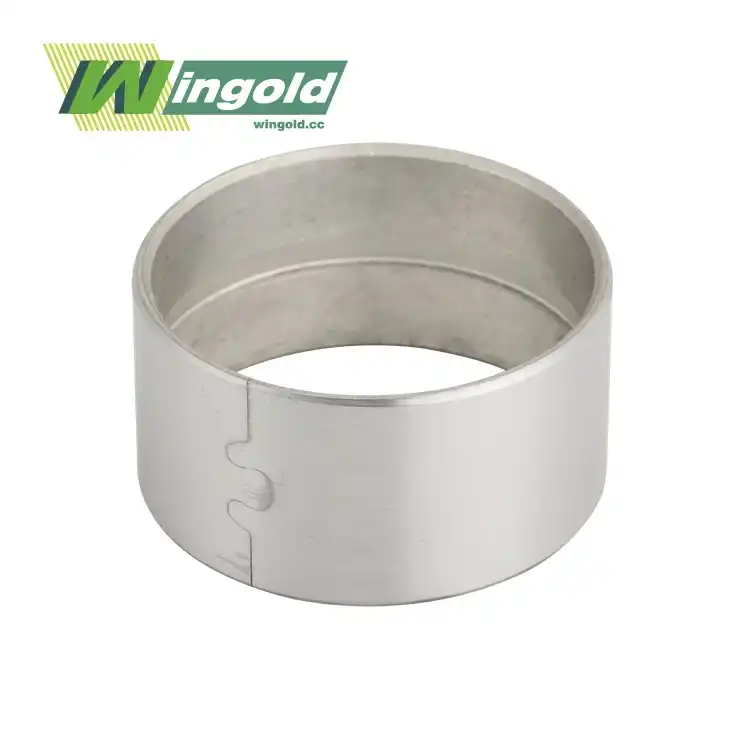
Whether bushings last as long as they're supposed to depends on how well they were installed. Press-fit interference should be between 0.5% and 1.5%, based on the material of the body and the temperature at which it is used. When interference is too low, it leads to fretting corrosion and bearing rotation. When interference is too high, it creates leftover pressures that lower load capacity. Instead of hammering, using regulated hydraulic presses guarantees uniform results and stops layers from coming apart.
Even though it says "self-lubricating," the lubrication procedure is important. The oil indents are charged during assembly by the initial greasing, which sets up the storage system. Lithium-based greases with EP ingredients are what we suggest for heavy-load uses. When compared to bronze bushings, the time between greasings is much longer. However, inspections every 500 hours allow condition-based maintenance instead of an impulsive failure reaction.
The types of surfaces on shafts have a direct effect on how fast they wear. The best performance is achieved with a matched shaft finish of 0.8 to 1.6 Ra (32 to 63 microinches). Rougher surfaces accelerate polymer wear; smoother finishes reduce lubricant retention. Many problems that are blamed on bad bearings are actually caused by mistakes in how the shaft was prepared. When replacing bearings, grinding or polishing old shafts is an important upkeep step that is often skipped in order to save money.
Future Trends and Innovations in POM Composite Bushings for Dusty Environments
New discoveries in material science keep changing how bearings work. Learning about new developments helps buying teams think of solutions for the future and make smart choices about present investments.
Advanced Materials and Surface Engineering
Nano-scale fillers added to new polymer formulas make them 30–40% more resistant to wear than normal compounds. These additives make tiny harder areas in the moving surface. This makes it more resistant to wear and tear without reducing the flexibility that keeps the shaft's integrity. Wingold keeps a close eye on these changes and does field tests with early adopter customers in very difficult situations.
Surface treatments are another area of innovation on the cutting edge. Laser-texturing technology makes micro-dimple patterns that are carefully controlled and better at retaining lubrication than other methods of indentation. You can change these patterns to fit different working situations, like radial loading patterns, oscillating vs. steady spinning, or the amount of contamination you expect. Even though they are still in the early stages of being made available to the public, these methods look like they will add even more speed to next-generation designs.
Integration with Condition Monitoring Systems
Strategies for integrating sensors are driven by the push toward predictive upkeep. Putting temperature sensors inside bearing systems lets you see thermal profiles that show when grease is failing or dust is getting in. When temperatures in bearings go above certain levels that have been programmed, maintenance alerts set off check plans so that major failures don't happen.
More and more, vibration signature analysis is being used for linear actuators and pivots as well as spinning machines. Training machine learning algorithms on patterns of bearing wear can tell the difference between normal operating marks and signs of problems starting to appear. With this feature, maintenance goes from time-based plans to condition-based interventions, which makes the best use of parts and reduces the number of unexpected breakdowns. Manufacturers of equipment are starting to include these monitoring features in their new designs, which is good news for bearing providers who know how to meet the standards for integration.
Market Dynamics and Regional Manufacturing Considerations
Problems in the global supply chain sped up the movement toward industrial partnerships in different regions. Equipment owners are looking for providers that can do distributed production, which cuts down on wait times and freight costs. Wingold's long history of manufacturing answers these issues while keeping quality standards the same across all production sites.
As emission rules force tools to become electric, demand trends change. Electric building equipment works at cooler temperatures and with different patterns of load shifting. Bearing suppliers who work with OEMs during the planning process put themselves in a good situation as the equipment population changes. This partnership method helps customers by giving them better standards for parts instead of just random choices from a catalog.
Material choices are gradually affected by sustainability concerns. Getting rid of external lubrication lowers the risk of polluting the environment, which is a big plus as government inspectors become more strict around mine and building sites. By reducing material use and waste production over the lifetime of an item, a pom composite bushing with a longer service life is also in line with the principles of the circular economy.
Conclusion
The ability of acetal-based joints to work in dusty settings is not due to marketing claims, but to careful material engineering. The three-layer design—steel backing, solid bronze, and modified polyoxymethylene with oil indentations—makes a bearing system that keeps the grease intact while trapping contaminants. When compared to traditional metal options, this feature offers real benefits, such as longer service times, less downtime, and lower total ownership costs. These performance traits have a real effect on equipment used in mining, building, agriculture, and heavy industry. They lead to operational efficiency gains that support choices about which materials to use.
FAQ
How often should I regrease bushings in dusty mining equipment?
The amount of time between lubrications varies on the severity, but most uses benefit from a check every 500 hours of operation. The oil holes provide extra storage capacity, which usually means that it's 2000 hours or more before the next regreasing is needed. Bronze bushings, on the other hand, need to be serviced every 200 to 300 hours in the same situations.
Can these bushings be machined after installation to correct alignment issues?
Yes, the stronger polyoxymethylene layer makes it possible to achieve precise standards during post-installation boring. This feature comes in handy for retrofitting or fixing differences in the way the housing was machined. The process does remove oil marks in the machined area, so the source of lube may need to be changed or the pockets may need to be re-formed.
What shaft hardness is required to prevent premature wear?
For the best wear protection, we suggest that the shaft has a minimum hardness of HRC 45. Softer shafts let the composite material embed a little, which actually keeps the shaft from getting damaged by sharp particles. In exchange, bushings wear out more quickly on lighter shafts, which usually means a 15-20% shorter service life.
Partner with Wingold for Superior POM Composite Bushing Solutions
Wingold Bearing offers tailored solutions backed by more than ten years of experience with sliding bearings and the ability to test everything. Our CNC machine centers and centrifugal casting production lines make bushings that meet ISO 4383 and ASTM B22 standards. This makes sure that the quality of your important products stays the same. We offer flexible order sizes, quick samples, and factory-direct prices, all of which cut down on costs and shorten supply lines. Our technical engineers help you make the right choice every step of the way, whether you need normal sizes or special requirements for dusty areas. Get in touch with us at info@wingold.cc to talk about your needs with a pom composite bushing maker who knows how hard it is to run your business.
References
1. Smith, J.R. and Thompson, K.L. (2019). "Tribological Performance of Polymer Composite Bearings in Abrasive Environments." Journal of Tribology and Surface Engineering, 45(3), pp. 287-304.
2. Industrial Bearing Technology Association (2021). "Material Selection Guidelines for Heavy Equipment Pivot Points." Technical Report IBTA-2021-07, Chicago, IL.
3. Wagner, P. and Chen, M. (2020). "Comparative Life Cycle Analysis of Self-Lubricating Bearing Systems in Mining Machinery." International Journal of Heavy Equipment Engineering, 12(2), pp. 156-173.
4. European Bearing Manufacturers Association (2022). "Performance Standards for Composite Bushings in Contaminated Environments." EBMA Technical Standard 4383-2022, Brussels, Belgium.
5. Rodriguez, A., Yamamoto, T., and Fischer, D. (2018). "Dust Ingress Mechanisms and Protection Strategies for Construction Equipment Bearings." SAE International Journal of Commercial Vehicles, 11(4), pp. 445-462.
6. Morrison, L.K. (2023). "Economic Analysis of Bearing Selection for Off-Highway Equipment." Equipment Maintenance Quarterly, 38(1), pp. 78-95.
Learn about our latest products and discounts through SMS or email