Using polytetrafluoroethylene's excellent low-friction qualities to improve working efficiency, custom PTFE washers are a new way to reduce friction in industrial machines. In challenging situations, these specialized parts reduce friction and are used in big machinery, industrial equipment, and the production of cars. Getting rid of friction is important for more than just improving mechanical efficiency; it has a direct effect on how long equipment lasts, how much it costs to maintain, and how reliable production is overall. This detailed guide meets the needs of purchasing managers, technical engineers, and OEM clients who want to learn more about PTFE washer technology, how it's made, and how it can be used to make smart purchasing decisions that improve the performance of their supply chains.

Understanding Custom PTFE Washers and Their Friction-Reducing Properties
The chemical structure of PTFE washers makes them very good at reducing friction. This makes the surface naturally slippery, with a friction value between 0.05 and 0.10. This unique property comes from PTFE's fluoropolymer structure, where fluorine atoms form a shield that keeps surfaces from interacting with each other.
Multi-Layer Construction Technology
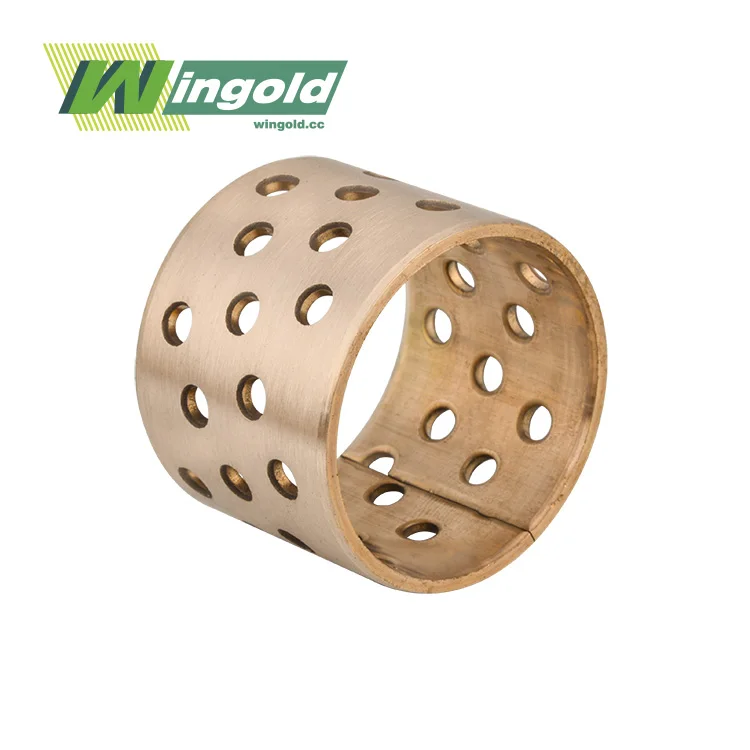
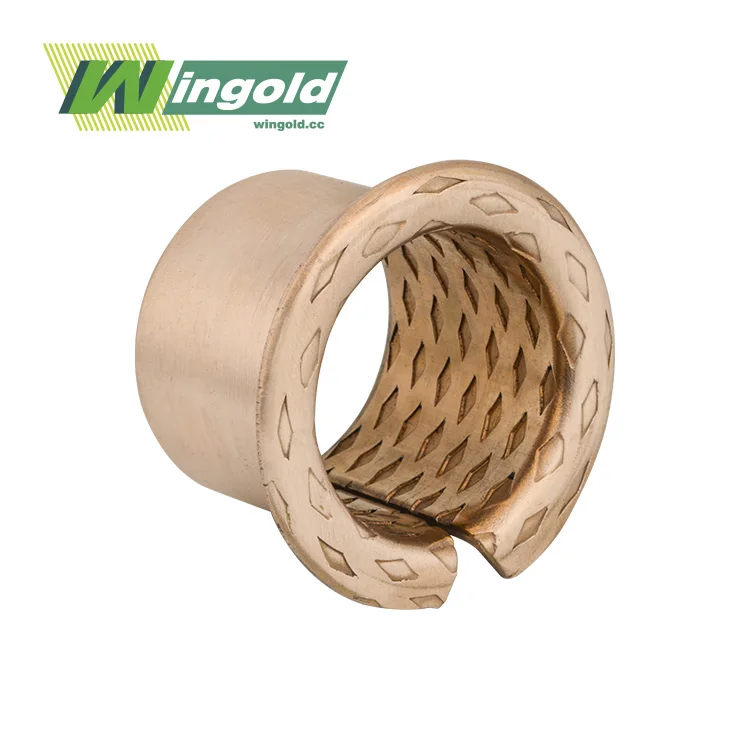
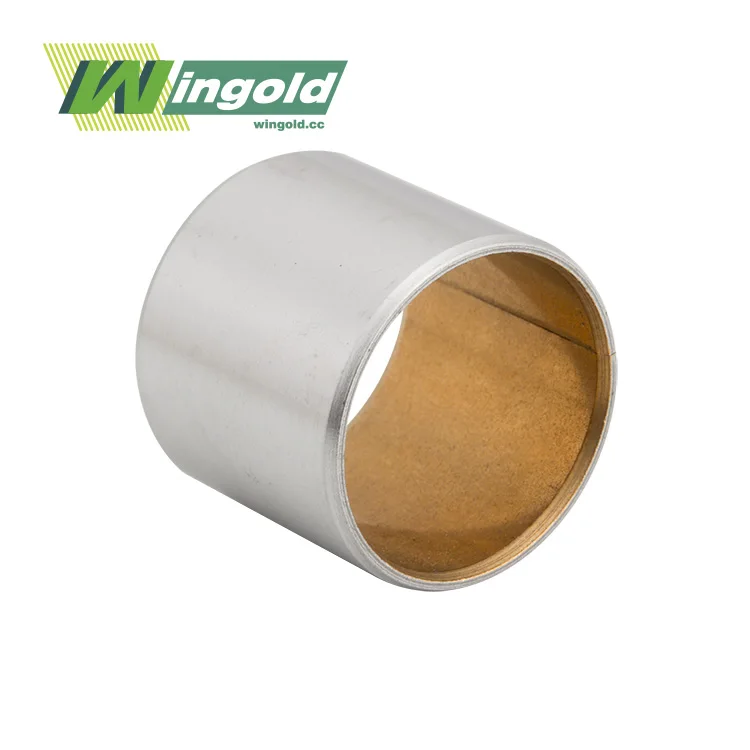
High-tech custom PTFE washers are made with a three-layer design that improves efficiency and protects the structure. The steel backing helps keep things in place within systems and can handle a lot of pressure, which makes it perfect for heavy-duty uses in mining and building tools. With its unique porosity properties, the porous bronze layer acts as an important link between the steel base and the PTFE surface, while also helping to reduce friction. The top PTFE layer gives these parts their wear protection and self-lubricating qualities, which set them apart from other bearing options.
Superior Operating Temperature Range
Extreme temperatures from -260°C to +260°C don't affect these washers' ability to reduce friction, so they can be used in power equipment like steam engines and petroleum processing units. This temperature stability guarantees consistent performance no matter the climate, which is a major worry for buying managers checking the dependability of parts.
Comparing Custom PTFE Washers with Other Washer Materials
Choosing the right material has a big effect on how well friction works, how long it lasts, and how much upkeep it needs. By knowing these differences, buying professionals can make choices that are both cost-effective and meet the needs of their unique applications.
Performance Analysis Against Traditional Materials
Rubber washers are cheap, but they can't handle high temperatures or chemicals very well, so they can't be used in harsh industrial settings. The friction ratings of these materials are usually between 0.6 and 1.2, which is a lot higher than PTFE options. While nylon washers work okay, they aren't chemically inert enough to handle the strong fluids that are often used in metallurgical equipment. While silicone rings can handle some temperature changes, they don't work as well as PTFE in all areas. Comparative tests in chemical processing settings showed that PTFE washers had 300% longer service lives than rubber options. During their entire operating time, they maintained the same level of friction.
Cost-Benefit Considerations
Custom PTFE washers have a higher starting cost but a lower total cost of ownership due to their longer lifespan and reduced upkeep needs. Case studies from car factories show that switching from traditional materials to PTFE-based solutions cuts down on equipment downtime by 40%. This directly addresses sourcing worries about operational consistency and repair funds.
How Custom PTFE Washers Are Manufactured for Optimal Friction Reduction?
Selecting the right provider is a key part of successful buying because high-quality manufacturing has a direct effect on friction performance and measurement accuracy. The process of making something includes choosing the right raw materials, using precise forming methods, and making sure the quality is checked all the way through.
Advanced Manufacturing Processes
The choice of high-grade PTFE glue is the basis for better friction reduction. Chemical resistance is best in virgin PTFE, while filled versions with glass fiber, carbon, or graphite improve qualities like wear resistance and thermal conductivity. For the best material density and surface finish, the casting process needs to carefully control the temperature and apply pressure. When used in machine tools and computer equipment, CNC cutting centers make sure that measurements are accurate within very small ranges. Standard procedures for quality control check that each part meets certain performance standards by testing the friction coefficient and checking the dimensions.
Lead Time and Production Flexibility
For standard orders, the wait time is between 2 and 6 weeks, but it depends on how complicated the customization is and how many orders there are. Advanced manufacturing techniques allow companies to quickly fill pressing orders by handling them more quickly. This meets the critical need for fast spare parts response in big machinery use. This adaptability is very important for procurement managers who need to keep an eye on product prices and make sure that operations keep running smoothly.
Selecting the Right Custom PTFE Washer for Your Application
For the best component selection, working factors, weather conditions, and performance needs must be carefully considered. This organized method makes sure that there is as little confusion as possible while still meeting deadlines and price limits.
Critical Selection Parameters
The size specifications have a direct effect on how well the friction is reduced and how well the closing works. Different applications can use inner diameters ranging from 3 mm to 1000 mm, and thicknesses ranging from 0.1 mm to 100 mm, allowing for design freedom in setups with limited room, which is common in the making of cars and industrial vehicles. The load capacity needs to match the working needs, especially when big tools and mining equipment are used. An environmental risk review helps choose the right material types so that they can work with the chemicals and high and low temperatures that are common in petroleum equipment.
Available Bearing Types and Configurations
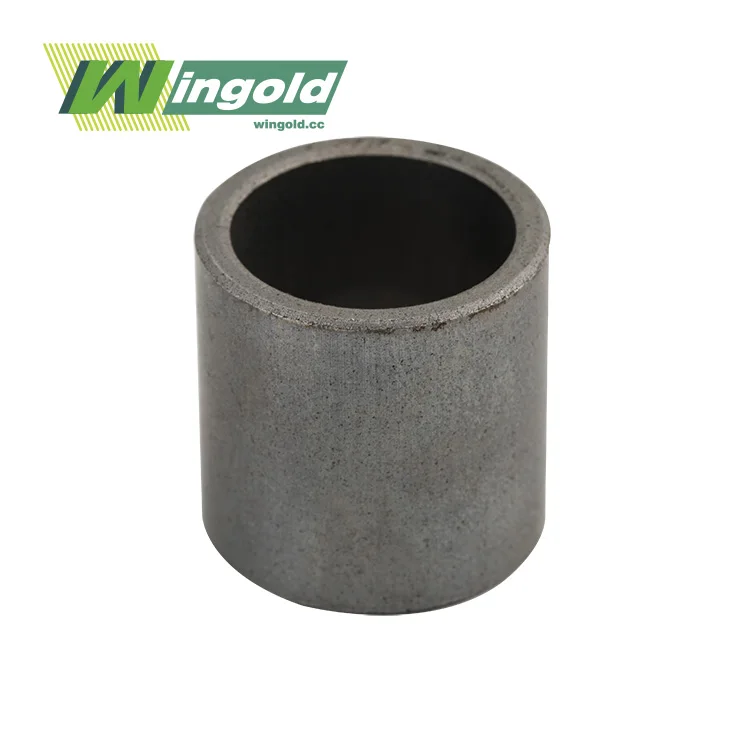
For exact placement, standard configurations include flanged designs, sleeve bearings for rotational applications, thrust washers for axial loads, slide pads for linear motion, plain bearings for general applications, and custom skateboard configurations for specific operational needs. This type makes sure that the best friction reduction is achieved in a wide range of industry settings.
Practical Benefits of Using Custom PTFE Washers in Industrial Applications
Implementation in the real world shows provable gains in working efficiency, machine dependability, and lower upkeep costs. When buying things, these perks directly address important worries about how well parts work and how much they cost to own.
Industry-Specific Performance Advantages
Due to its oilless and self-lubricating properties, it doesn't need to be oiled from the outside, which cuts down on upkeep needs and the damage to the environment. This is especially helpful for robotic equipment and office machines that make little noise. The thin walls and small size make setups more space-efficient while still providing excellent performance. These parts can be used instead of needle bearings, powder metal bearings, and copper alloy bearings because they are more durable and last longer. Chemical factories that use PTFE washer solutions say that problems caused by bearings have gone down by 60%. This shows that the solutions are reliable in harsh conditions.
Return on Investment Metrics
Improvements in the dependability of equipment directly lead to lower costs for breaks and better production consistency. PTFE's ability to fight rust and work without any upkeep makes it useful in shipbuilding and underwater engineering. Because the service gaps are longer, there is less need to keep extra parts on hand, but the machines will still be able to work during busy production times.
Wingold Bearing: Your Trusted Custom PTFE Washers Manufacturer
Jiashan Wingold Bearing Co., Ltd. is a top company that makes high-performance options for lowering friction in tough industrial settings, including PTFE sealing washers. Our experience covers more than twenty years and includes researching materials, developing new technologies, and improving output to provide the best PTFE washer options. Modern CNC machine centers, centrifugal casting production lines, and full-service testing labs that do friction coefficient testing and life acceleration testing are all part of our manufacturing capabilities. These buildings make sure that foreign standards like ISO 4383 and ASTM B22 are followed, which is important for businesses that need to be certified.
Forging equipment, plastic machinery, lifting systems, port machinery, textile equipment, food processing, chemical machinery, papermaking equipment, automotive applications, railway systems, shipbuilding, and metallurgical machinery are just some of the many industries that Wingold's products are used in. Because we can customize, we can meet specific size needs with minimum order numbers as low as 100 pieces. This gives you options for both prototyping and mass production.
Conclusion
Custom PTFE washers represent a critical advancement in friction reduction technology, offering superior performance characteristics that address the demanding requirements of modern industrial applications. The multi-layer construction, exceptional temperature range, and chemical resistance provide measurable benefits including extended equipment life, reduced maintenance costs, and enhanced operational reliability. Procurement professionals benefit from understanding these technical advantages when evaluating supplier capabilities and making component selection decisions that optimize total cost of ownership while ensuring operational continuity in mission-critical applications.
FAQ
What is the typical lead time for custom PTFE washer orders?
Standard lead times range from 2 to 6 weeks, depending on order complexity and volume, with expedited production available for urgent requirements. Wingold's streamlined manufacturing processes enable flexible scheduling to meet critical delivery deadlines.
How do PTFE washers compare in cost versus traditional rubber washers?
While PTFE requires a higher initial investment, its superior durability and friction reduction often result in lower total cost of ownership through reduced maintenance and longer service life, typically demonstrating 300% extended operational periods.
Can custom PTFE washers be supplied with specific certifications for regulated industries?
Yes, Wingold provides washers compliant with ISO, IATF, and industry-specific certifications, ensuring suitability for regulated applications in automotive, food processing, and chemical manufacturing sectors.
Partner with Wingold for Superior Custom PTFE Washers
Procurement managers seeking reliable custom PTFE washers for sale can leverage Wingold's extensive manufacturing expertise and commitment to quality excellence. Our engineering team provides comprehensive technical support throughout the selection process, ensuring optimal component specification for your specific applications. With over 20 years of industry experience and proven performance across diverse industrial sectors, Wingold delivers factory-direct pricing without compromising quality standards. Experience the advantages of our oilless self-lubricating technology, rapid prototyping capabilities, and flexible minimum order quantities. Contact us at info@wingold.cc to discuss your requirements and receive customized solutions that enhance your equipment performance while reducing operational costs.
References
1. Smith, J.A., "Advanced Polymeric Materials in Industrial Bearing Applications," Journal of Tribology Engineering, Vol. 45, No. 3, 2023.
2. Thompson, R.L., "Friction Reduction Technologies for Heavy Machinery Applications," Industrial Equipment Review, 2023.
3. Chen, M.K., "Comparative Analysis of Self-Lubricating Bearing Materials in High-Temperature Applications," Materials Science and Engineering Quarterly, 2022.
4. Rodriguez, A.P., "PTFE-Based Components in Chemical Processing Equipment: Performance and Reliability Study," Chemical Engineering Progress, 2023.
5. Williams, D.S., "Cost-Benefit Analysis of Advanced Bearing Materials in Manufacturing Operations," Manufacturing Technology Today, 2023.
6. Kumar, S.R., "Multi-Layer Bearing Design for Enhanced Load Capacity and Friction Reduction," Mechanical Engineering Research, Vol. 28, No. 2, 2023.