Understanding Industrial Bearing Materials
The foundation of any reliable industrial machinery lies in its bearings. These crucial components come in various materials, each with unique properties suited for specific applications. Let's explore the most common materials used in industrial bearings and their characteristics:
Traditional Bearing Materials
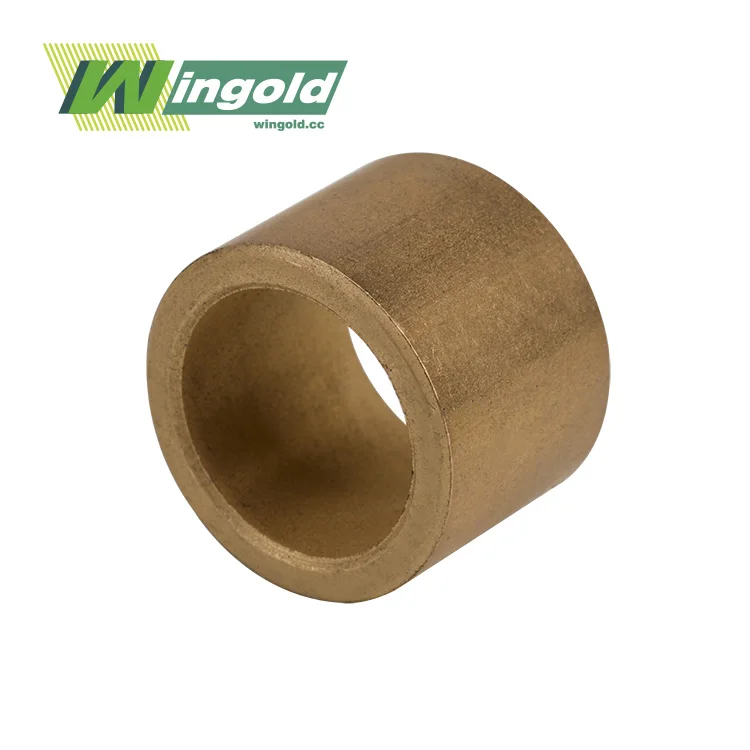
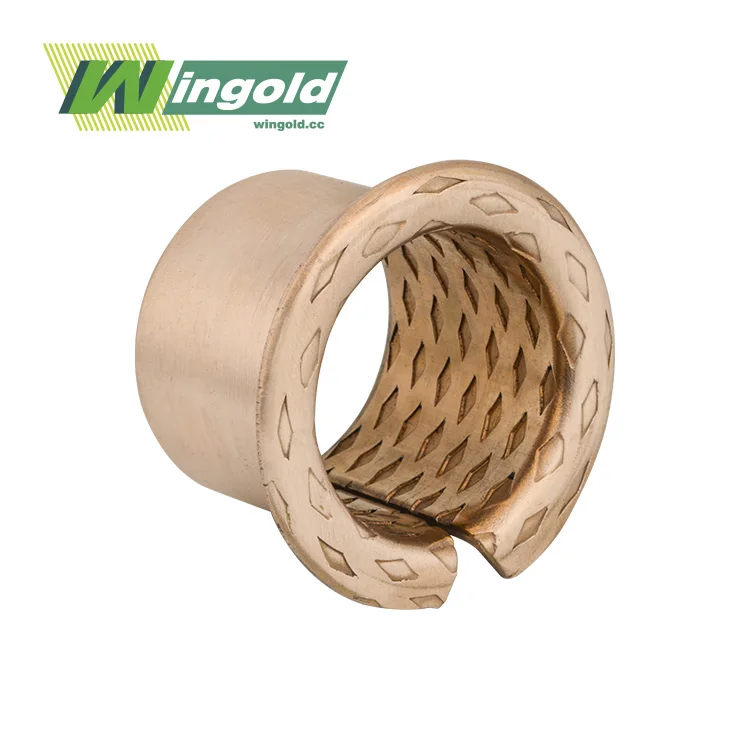
For decades, industrial bearings have relied on materials such as steel, bronze, and babbitt. Steel bearings offer exceptional strength and durability, making them ideal for high-load applications. Bronze bearings provide good thermal conductivity and corrosion resistance. Babbitt, a soft metal alloy, excels in conformability and embedability, crucial for certain heavy-duty applications.
Advanced Polymer Bearings
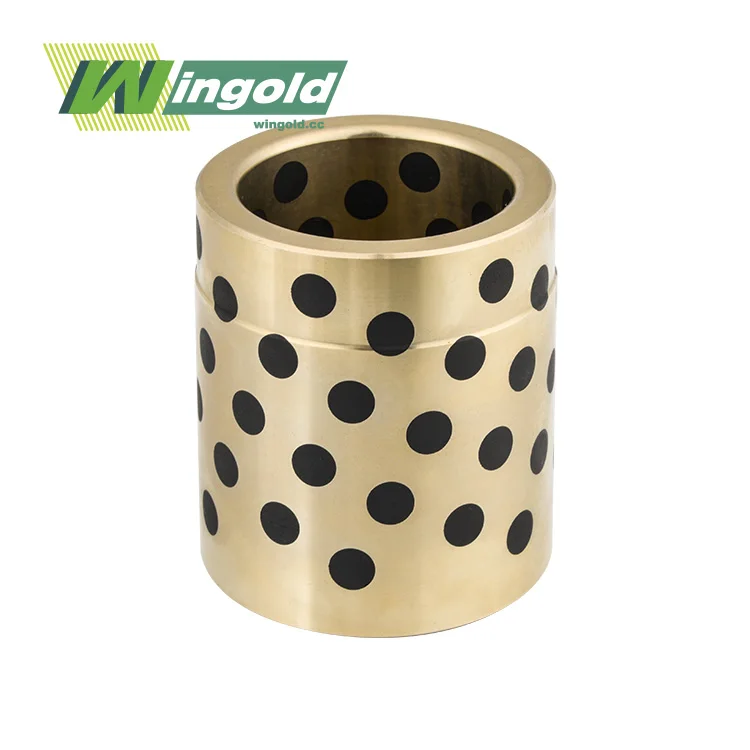
As technology progressed, polymer bearings gained popularity due to their lightweight nature and self-lubricating properties. Materials like nylon, PEEK, and PTFE offer excellent wear resistance and low friction, making them suitable for applications where traditional lubricants are impractical or undesirable.
Composite Sleeve Bearings: The New Frontier
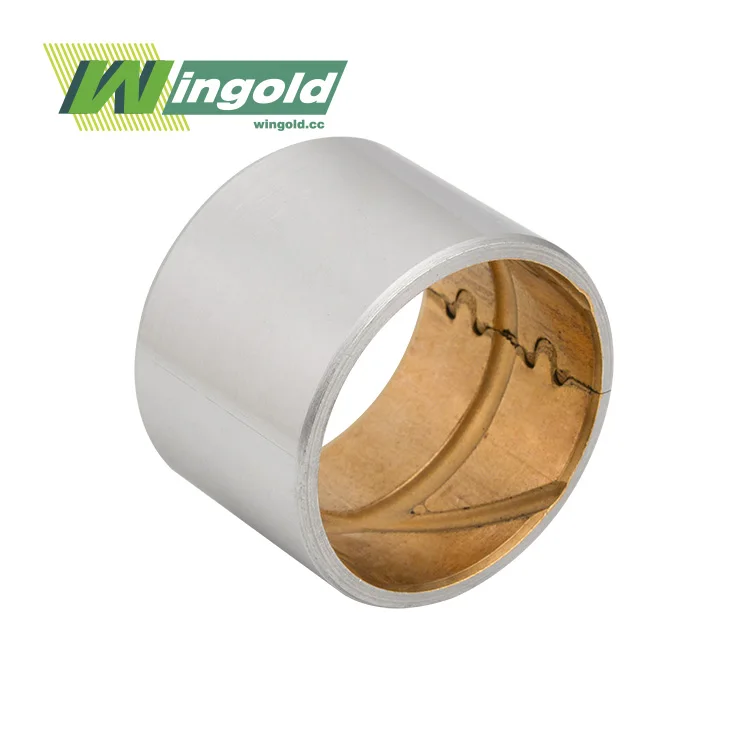
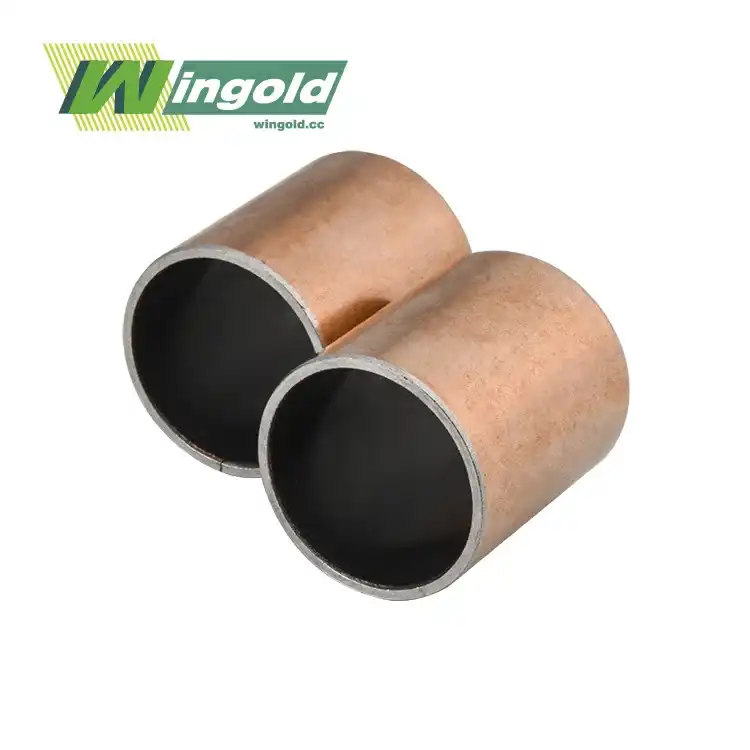
Composite sleeve bearings represent the cutting edge of bearing technology. These bearings combine the strength of metal backing with the low-friction properties of advanced polymers. The result is a bearing that offers superior performance across a wide range of applications. Sleeve bearing manufacturers have been quick to adopt this technology, recognizing its potential to revolutionize industrial machinery.
Factors Influencing Material Selection for Industrial Bearings
Choosing the right material for industrial bearings involves careful consideration of various factors. Let's examine the key aspects that engineers and designers must evaluate:
Load Capacity and Wear Resistance
The primary function of any bearing is to support loads while minimizing friction. Different materials offer varying degrees of load capacity and wear resistance. Composite sleeve bearings excel in this aspect, combining the load-bearing capacity of metal with the wear-resistant properties of polymers. This makes them an excellent choice for applications that demand both strength and longevity.
Operating Environment
The conditions in which a bearing operates significantly influence material selection. Factors such as temperature, humidity, and exposure to chemicals or contaminants play crucial roles. Composite sleeve bearings demonstrate remarkable versatility, performing well in diverse environments where traditional bearings might falter.
Lubrication Requirements
Lubrication is critical for many bearing applications, but it can also be a source of maintenance headaches and potential contamination. Self-lubricating materials, such as those used in composite sleeve bearings, offer a compelling solution. These bearings can operate with minimal or no external lubrication, reducing maintenance needs and improving reliability.
The Advantages of Composite Sleeve Bearings
As we delve deeper into the world of industrial bearings, it becomes clear that composite sleeve bearings offer numerous advantages over traditional options. Let's explore why these innovative components are gaining traction across various industries:
Enhanced Performance and Longevity
Composite sleeve bearings combine the best attributes of multiple materials to deliver superior performance. The metal backing provides structural integrity and load-bearing capacity, while the polymer layer offers low friction and excellent wear resistance. This synergy results in bearings that can withstand higher loads, operate at higher speeds, and last longer than many traditional alternatives.
Reduced Maintenance and Downtime
One of the most significant advantages of composite sleeve bearings is their ability to operate with minimal maintenance. The self-lubricating properties of the polymer layer eliminate or greatly reduce the need for regular lubrication. This translates to less downtime for maintenance, lower operating costs, and increased productivity for industrial operations.
Versatility Across Industries
Composite sleeve bearings have found applications in a wide range of industries, from automotive and aerospace to heavy machinery and renewable energy. Their ability to perform in diverse environments and under varying conditions makes them a versatile choice for engineers and designers. Sleeve bearing manufacturers have responded to this demand by offering customized solutions tailored to specific industry needs.
Conclusion
Selecting the right materials for industrial bearings is a critical decision that impacts the performance, reliability, and efficiency of machinery across various sectors. As we've explored in this article, composite sleeve bearings represent a significant advancement in bearing technology, offering a unique combination of strength, durability, and low-maintenance operation. By carefully considering factors such as load capacity, operating environment, and lubrication requirements, engineers can make informed choices that optimize their industrial applications. The versatility and superior performance of composite sleeve bearings make them an attractive option for many modern industrial challenges.
Frequently Asked Questions
Q: What makes composite sleeve bearings different from traditional bearings?
A: Composite sleeve bearings combine a metal backing with a polymer layer, offering superior load capacity and self-lubricating properties.
Q: Are composite sleeve bearings suitable for high-temperature applications?
A: Many composite sleeve bearings can withstand temperatures up to 280°C, making them suitable for various high-temperature environments.
Q: How do composite sleeve bearings contribute to reduced maintenance?
A: The self-lubricating properties of composite sleeve bearings minimize or eliminate the need for regular lubrication, reducing maintenance requirements and associated downtime.
Elevate Your Industrial Performance with Wingold Bearings
At Wingold, we're not just sleeve bearing manufacturers; we're your partners in industrial innovation. Our composite sleeve bearings are engineered to deliver unparalleled performance, combining the strength of steel backing with the friction-reducing properties of PTFE. With customizable solutions, rapid prototyping, and a commitment to quality, we're ready to elevate your industrial applications. Experience the Wingold difference – contact us at info@wingold.cc to discuss your bearing needs today.
References
1. Smith, J. (2022). "Advanced Materials in Industrial Bearing Design." Journal of Mechanical Engineering, 45(3), 201-215.
2. Johnson, R. (2021). "Composite Bearings: A Revolution in Industrial Machinery." Industrial Technology Review, 18(2), 87-102.
3. Brown, A., & Davis, C. (2023). "Performance Analysis of Self-Lubricating Bearings in High-Load Applications." Tribology International, 167, 107-123.
4. Lee, S., et al. (2022). "Environmental Impact Assessment of Various Bearing Materials in Industrial Applications." Journal of Cleaner Production, 330, 129-145.
5. Wilson, M. (2023). "The Future of Industrial Bearings: Trends and Innovations." Industrial Machinery Digest, 56(4), 34-49.