- English
- French
- German
- Portuguese
- Spanish
- Russian
- Japanese
- Korean
- Arabic
- Greek
- German
- Turkish
- Italian
- Danish
- Romanian
- Indonesian
- Czech
- Afrikaans
- Swedish
- Polish
- Basque
- Catalan
- Esperanto
- Hindi
- Lao
- Albanian
- Amharic
- Armenian
- Azerbaijani
- Belarusian
- Bengali
- Bosnian
- Bulgarian
- Cebuano
- Chichewa
- Corsican
- Croatian
- Dutch
- Estonian
- Filipino
- Finnish
- Frisian
- Galician
- Georgian
- Gujarati
- Haitian
- Hausa
- Hawaiian
- Hebrew
- Hmong
- Hungarian
- Icelandic
- Igbo
- Javanese
- Kannada
- Kazakh
- Khmer
- Kurdish
- Kyrgyz
- Latin
- Latvian
- Lithuanian
- Luxembou..
- Macedonian
- Malagasy
- Malay
- Malayalam
- Maltese
- Maori
- Marathi
- Mongolian
- Burmese
- Nepali
- Norwegian
- Pashto
- Persian
- Punjabi
- Serbian
- Sesotho
- Sinhala
- Slovak
- Slovenian
- Somali
- Samoan
- Scots Gaelic
- Shona
- Sindhi
- Sundanese
- Swahili
- Tajik
- Tamil
- Telugu
- Thai
- Ukrainian
- Urdu
- Uzbek
- Vietnamese
- Welsh
- Xhosa
- Yiddish
- Yoruba
- Zulu
Why CuPb10Sn10 Bimetallic Bushings Are Ideal for High-Performance Machinery
When equipment breakdowns cost thousands of dollars an hour, picking the right bearing part isn't just a technical choice; it's a business-critical one. CuPb10Sn10 Bimetallic bushings have become a reliable option for harsh industrial settings where regular bearings break down too soon. A high-strength low-carbon steel backing and a precision-sintered copper alloy layer make up these composite bearings. They work very well in heavy-load situations. The special alloy is made up of 80% copper, 10% lead, and 10% tin. It has a unique balance between mechanical durability and self-lubricating properties that directly solves the problems that maintenance managers and procurement professionals in heavy machinery sectors face on a daily basis.
Understanding CuPb10Sn10 Bimetallic Bushings: Composition and Core Properties
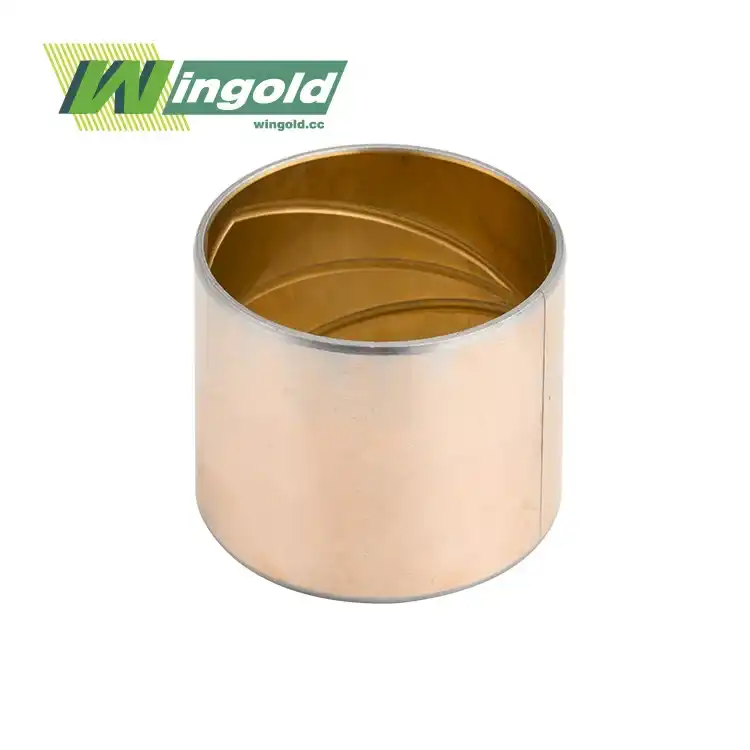
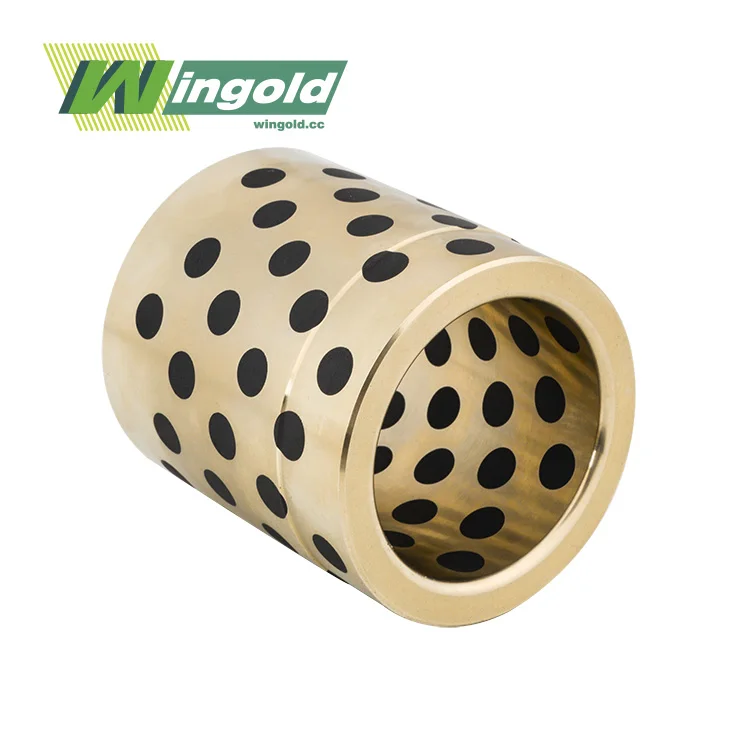
Bimetallic bearing technology is a big step forward in terms of engineering compared to solid bronze or polymer alternatives. Wingold's WGB-800 series CuPb10Sn10 Bimetallic bushings are made using a complex process that includes secondary sintering and secondary extrusion to make sure that the bond between the steel base and the copper alloy wear layer is as strong as it can be.
Material Composition and Manufacturing Process
The CuPb10Sn10 Bimetallic bushing layer is metallurgically attached to a high-quality low-carbon steel backing by sintering it under controlled conditions at high temperatures. This process makes an interfacial bond that can withstand shear forces of more than 140 N/mm² when loaded dynamically. The steel backing gives the structure rigidity and resistance to fatigue, and the bronze alloy surface gives it the tribological properties needed for sliding contact applications. The accuracy in manufacturing makes sure that the alloy is spread out evenly, without any segregation or porosity, which is important for making sure that all production batches perform the same.
Key Technical Properties
In temperatures ranging from -40°C to 150°C, the material performs reliably, making it suitable for both arctic construction equipment and high-temperature power systems, especially when using bimetal bushings designed for wide thermal stability and consistent wear resistance. With a hardness rating of 60 to 75 HB and a density of 8.7 g/cm³, these bushings stay the same size even when they are under constant mechanical stress. The thermal conductivity of 50 W/(m·K) makes it easier for heat to escape while the product is in use, which stops the thermal degradation that happens with polymer-based alternatives. Depending on the lubrication conditions, the friction coefficient can be anywhere from 0.06-0.16. This makes rotating assemblies more energy efficient.
Comparison With Alternative Materials
When compared to solid CuSn12 bronze bushings, the bimetallic construction is more cost-effective and has better fatigue strength because it has a steel backing. When mining and construction equipment hits something hard, solid bronze parts are more likely to break because they are more brittle. Compared to CuSn6 alloys with less tin, the CuPb10Sn10 Bimetallic bushing composition has better embeddability, which means it can hold on to foreign particles without damaging the shaft. This makes it last longer in dirty environments like those found in heavy machinery operations.
Advantages of CuPb10Sn10 Bimetallic Bushings for High-Performance Applications
Case studies from the business world consistently show that choosing the right bearings has a direct effect on the total cost of ownership. The special features of CuPb10Sn10 Bimetallic bushings solve several operational problems at once, such as lowering unplanned downtime and increasing the time between maintenance visits.
Exceptional Load-Bearing Capacity and Wear Resistance
Because they are made with steel on the back, these bushings can handle static loads of up to 280 N/mm² and dynamic loads of up to 140 N/mm², which is a lot more than polymer or solid bronze alternatives can do. These parts can handle high-impact oscillation loads sent from uneven road surfaces in automotive chassis applications, like balance suspensions and heavy truck leaf spring eyes. The lead in the alloy matrix makes tiny reservoirs that release lubricant while the machine is running. This keeps metals from touching even when boundary lubrication is present. This ability to lubricate itself is very useful in situations where a constant supply of oil is not possible or practical.
Performance in Demanding Industrial Environments
One of the hardest places for bearing technology to be used is in the undercarriages of construction equipment. Excavators and bulldozers have parts called track rollers, carrier rollers, and idlers that work in places with high static loads, rough dirt, and changes in temperature. The CuPb10Sn10 Bimetallic bushing is very hard, so it can resist wear from dirt and other debris getting in. The steel backing keeps the structure from falling apart when it's hit with shocks. Equipment operators say that maintenance intervals are 40–60% longer than with previous bearing solutions. This means that machines are available more often and the business makes more money.
Suitability Across Multiple Industry Sectors
These CuPb10Sn10 Bimetallic bushings work great in high-speed reciprocating machinery, as well as in construction and automotive uses. The material can handle surface speeds of up to 10 m/s with alternating dynamic loads, which makes it useful for connecting rods in engines and compressors. The part's performance stays the same even when oil films appear and disappear during start-stop cycles or in harsh operating conditions. After switching to bimetallic bearing technology, factories that use plastic injection molding machines, textile equipment, and food processing systems have reported lower maintenance costs and more production uptime.
Procurement Considerations for CuPb10Sn10 Bimetallic Bushings
When supply chain managers look at bearing suppliers, they need to think about more than just the initial unit cost to get a good idea of the total value. The right supplier partnership affects not only the quality of the parts, but also the reliability of delivery, the availability of technical support, and the long-term strength of the supply chain.
Quality Certifications and Standards Compliance
Manufacturers with a good reputation follow strict quality control procedures that are backed up by international certifications. At Wingold, our factories follow the rules set by ISO 4383 and ASTM B22, and the parts they make are made to meet the requirements of SAE 797, JIS LBC3, and ISO 3547. The most important quality check is bond strength testing, which includes shear tests and flattening tests according to ISO 4386-1. This makes sure that the bronze lining won't come away from the steel backing when it's put under operational stress.
Spectroscopic analysis of the chemical composition confirms that the amounts of tin and lead remain within the 9–11% range needed for best tribological performance. Coordinate measuring machines are used for dimensional metrology, which checks the uniformity and concentricity of wall thickness. These are two factors that directly affect the oil clearance in precision assemblies.
Customization Capabilities and Lead Times
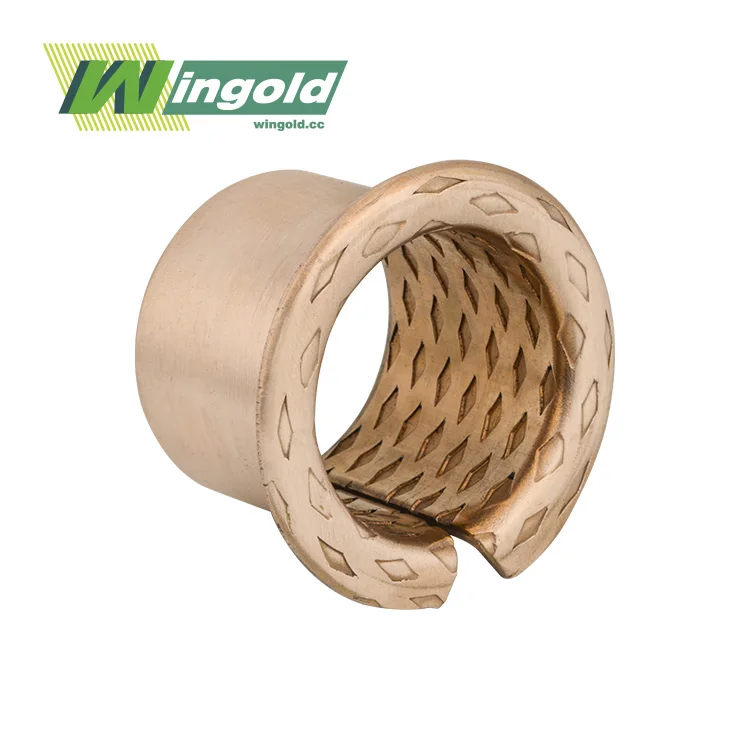
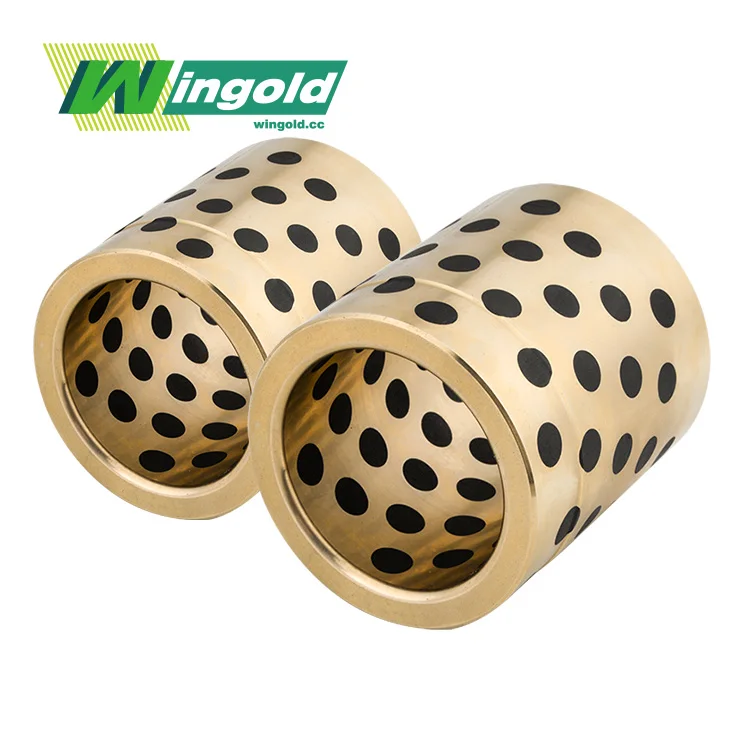
Standard bushing geometries are useful for many things, but heavy machinery often needs non-standard sizes or features. The copper alloy layer's surface can be machined to have different patterns of oil grooves, oil holes, and lubrication pockets that are best for the operating conditions. In situations where constant lubrication is hard or impossible to keep up, this customization feature comes in very handy.
Wingold's CNC machining centers and centrifugal casting production lines make it possible to make quick prototypes of samples, usually in 5 to 7 business days. Production can then be scaled up to meet volume needs. With an annual production capacity of 10,000 tons, we can handle both small-batch custom orders and large-volume OEM partnerships. During the procurement process, engineers will help you with any technical questions you have.
Pricing Structure and Minimum Order Considerations
The price of a component depends on its size, the tolerances that must be met, and the number of units that are ordered. Buying in bulk can save you a lot of money. Flexible ordering options work for both testing phases and strategies for keeping inventory low, unlike some suppliers who have prohibitively high minimum order quantities.
Framework agreements help buyers who buy in bulk because they lock in prices and make sure there is a supply for planned maintenance and emergency replacement needs. When figuring out the total cost of ownership, you should include things like longer service life, less maintenance, and less machine downtime. These are all areas where high-quality CuPb10Sn10 Bimetallic bushings give you a clear return on investment (ROI) compared to cheaper alternatives that need to be replaced more often.
Maintenance Tips to Maximize CuPb10Sn10 Bimetallic Bushing Lifespan
For even the best components to reach their intended service life, proper maintenance is essential. Preventing early failures through proactive inspection and lubrication management helps avoid unplanned downtime and rising operational costs—particularly for critical components like the Bimetallic bushing sleeve, where consistent condition monitoring ensures long-term reliability.
Lubrication Requirements and Monitoring
The lead in these bearings temporarily keeps them from seizing, but they are not maintenance-free dry bearings. For proper operation, oil or grease must be lubricated through oil grooves or lubrication pockets that were designed for that purpose. Regular lubrication checks should be part of maintenance schedules. How often these checks happen should depend on things like speed, load intensity, and the level of contamination in the environment. Monitoring lubrication is especially important to keep boundary lubrication from failing in situations with high-frequency impacts or oscillating movements. During routine maintenance, checking the oil grooves visually shows if the lubricant is getting to the bearing surfaces or if dirt is blocking the delivery paths.
Inspection Protocols and Wear Indicators
During routine checks, several signs of wear should be looked at before the loss of performance affects how the machine works. A close look at the surface shows early signs of wear, like scoring or discoloration that means too much heat is being produced. Using micrometers or bore gauges to measure dimensions lets maintenance teams keep track of how fast radial wear is happening and plan replacements before clearances get too big. Most of the time, the lining layer breaks because of fatigue cracks caused by loads that are too high or bond separation due to flaws in the manufacturing process. Finding tiny cracks during regular checks keeps bearings from failing in a way that damages expensive shafts or housing parts.
Troubleshooting Common Issues
When bushings wear out too quickly, doing a root cause analysis usually shows that the problem is caused by inadequate lubrication, contamination, misalignment, or load conditions that are too high compared to the design parameters. Taking care of these underlying problems stops them from happening again after replacing a component. The finish and hardness of the shaft's surface must meet the requirements set by the bearing manufacturer. Rough or soft shafts speed up CuPb10Sn10 Bimetallic bushing wear no matter what kind of bearing it is.
Using the right press-fitting methods makes sure that the steel backing fits perfectly into the housing bore, without any distortion that could cause stress to build up. The bronze lining can be precisely-bored or reamed after it has been installed to fix small alignment problems, as long as no more than 0.1 to 0.3 mm of material is removed.
Conclusion
When it comes to engineering, CuPb10Sn10 Bimetallic bushings solve problems that purchasing managers, maintenance engineers, and equipment designers face every day. Because it is made of steel-backed bronze, it can hold more weight and wear better than other bearing materials. It can also lubricate itself, so it can work reliably in harsh conditions. By choosing the right supplier, checking the quality, and following the right maintenance procedures, these parts can improve the uptime of heavy machinery, lower the cost of maintenance, and lower the total cost of ownership.
FAQ
What makes CuPb10Sn10 different from solid bronze bushings?
The bimetallic construction has a high-strength steel backing and a bronze wear layer. This gives it better fatigue resistance than solid bronze parts. The steel base keeps the surface from breaking easily when hit hard, which happens a lot in heavy machinery, and the sintered bronze top has the right tribological properties. This design also saves money because the bronze layer is only put on the parts that need it for wear resistance, not all the way through the thickness of the part.
Can these bushings operate without external lubrication?
No, even though the lead content makes these parts self-lubricating, they still need oil or grease to work properly and last as long as possible. The lead can be used for emergency running when lubrication is temporarily cut off, but it's not meant to be used continuously without oil. For the intended operational lifespan to be reached, proper lubrication delivery through oil grooves or lubrication pockets is still necessary.
How do you verify bond quality between steel and bronze layers?
The most important step in making sure the quality is that the bond is strong. As required by ISO 4386-1, manufacturers carry out shear tests and flattening tests on the bronze lining to make sure it won't come apart under operational stress. A metallographic examination using microscopic analysis confirms that the sintering density is uniform and that the lead is spread out properly in the bronze matrix. These quality control steps stop bond failures that could lead to catastrophic bearing collapse while the equipment is running.
Are these bushings suitable for food processing equipment?
Because CuPb10Sn10 Bimetallic bushing alloy contains lead, it can't be used in direct food contact situations because of rules. It is recommended that manufacturers of food processing equipment that needs bearing parts use lead-free bimetallic alternatives that meet food safety standards and still have the right mechanical properties for the job.
Partner With Wingold for Superior CuPb10Sn10 Bimetallic Bushing Solutions
It has been Wingold Bearing's specialty for more than ten years to make high-performance sliding bearing solutions for tough industrial uses. As a supplier of CuPb10Sn10 Bimetallic bushings that can fully import and export, we serve both domestic and international markets with factory-direct prices that don't include markups for middlemen. Our fully integrated production facilities have centrifugal casting lines, CNC machining centers, and full testing labs with friction coefficient analysis and accelerated life testing to make sure parts work properly before they are sent out.
We know that when equipment breaks down, we lose money. That's why we keep our minimum order quantities flexible and offer fast manufacturing for replacements that need to be made right away. During the specification, prototyping, and production phases, our technical team is available to help you whether you need standard geometries or custom-engineered solutions with specific oil groove patterns. Feel free to email our team at info@wingold.cc to talk about how our WGB-800 series bimetallic composite bearings can make your equipment more reliable and lower the total cost of ownership.
References
1. American Society for Testing and Materials. (2019). Standard Specification for Bronze Castings for Bridges and Turntables. ASTM B22-19.
2. International Organization for Standardization. (2017). Metallic sintered materials, excluding hardmetals - Specifications. ISO 4383:2017.
3. Society of Automotive Engineers. (2018). Bearing and Bushing Alloys - Technical Report on Performance Characteristics. SAE J459.
4. Khonsari, M.M. and Booser, E.R. (2017). Applied Tribology: Bearing Design and Lubrication. Third Edition. John Wiley & Sons.
5. Neale, M.J. (2020). The Tribology Handbook: Bearing Materials and Applications in Industrial Machinery. Butterworth-Heinemann Technical Publishers.
6. German Institute for Standardization. (2016). Plain bearings - Bimetal bearings made from solid materials - Part 1: Requirements and testing. DIN ISO 4386-1:2016.
Learn about our latest products and discounts through SMS or email