- English
- French
- German
- Portuguese
- Spanish
- Russian
- Japanese
- Korean
- Arabic
- Greek
- German
- Turkish
- Italian
- Danish
- Romanian
- Indonesian
- Czech
- Afrikaans
- Swedish
- Polish
- Basque
- Catalan
- Esperanto
- Hindi
- Lao
- Albanian
- Amharic
- Armenian
- Azerbaijani
- Belarusian
- Bengali
- Bosnian
- Bulgarian
- Cebuano
- Chichewa
- Corsican
- Croatian
- Dutch
- Estonian
- Filipino
- Finnish
- Frisian
- Galician
- Georgian
- Gujarati
- Haitian
- Hausa
- Hawaiian
- Hebrew
- Hmong
- Hungarian
- Icelandic
- Igbo
- Javanese
- Kannada
- Kazakh
- Khmer
- Kurdish
- Kyrgyz
- Latin
- Latvian
- Lithuanian
- Luxembou..
- Macedonian
- Malagasy
- Malay
- Malayalam
- Maltese
- Maori
- Marathi
- Mongolian
- Burmese
- Nepali
- Norwegian
- Pashto
- Persian
- Punjabi
- Serbian
- Sesotho
- Sinhala
- Slovak
- Slovenian
- Somali
- Samoan
- Scots Gaelic
- Shona
- Sindhi
- Sundanese
- Swahili
- Tajik
- Tamil
- Telugu
- Thai
- Ukrainian
- Urdu
- Uzbek
- Vietnamese
- Welsh
- Xhosa
- Yiddish
- Yoruba
- Zulu
What You Need To Know About Thrust Bearing Washers
When it comes to managing axial loads in industrial machinery, hardened thrust washers serve as critical components that prevent premature equipment failure and costly downtime. These precision-engineered annular components undergo specialized heat treatment processes to achieve surface hardness typically exceeding 58 HRC, enabling them to withstand extreme pressures, resist wear, and maintain dimensional stability in demanding environments. Whether you're specifying components for construction equipment, hydraulic systems, or automotive powertrains, understanding the capabilities and selection criteria for thrust bearing washers directly impacts your equipment's reliability and total cost of ownership.
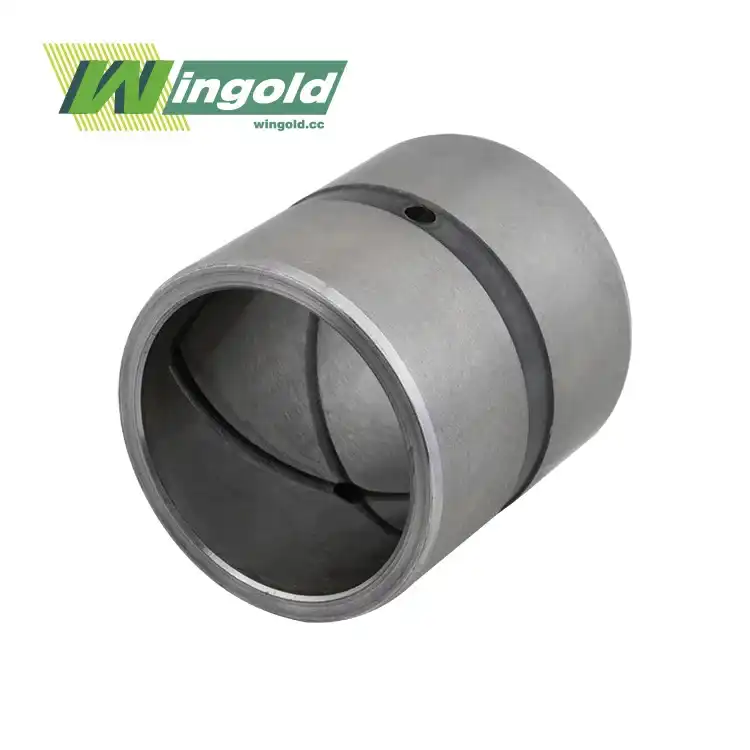
Understanding Hardened Thrust Washers: Basics and Benefits
Hardened thrust washers put axial loads across a larger surface area to reduce stress concentrations in one area. They do this by acting as the interface between rotating and stationary parts. During the hardening process, these parts go from being simple spacers to engineered bearing surfaces that can handle high operational demands.
What Makes Thrust Washers "Hardened"?
Metallurgical transformation is what makes the difference. Mild steel washers that are commonly used don't have the structural integrity needed for heavy-duty uses. The molecular structure changes to make the material harder through heat treatments like case-hardening and through-hardening, or through surface treatments like high-frequency quenching. This process makes a layer on top that doesn't wear down and keeps a tougher core that can handle shock loads without breaking. In the end, a part that doesn't gall (sticky wear that happens when metal surfaces weld together under pressure) or brinell (permanent indentation caused by cyclic loading) was made.
Core Performance Benefits
When hardened thrust washers are used instead of softer ones, equipment reliability goes up by a lot. Because the surface is harder, there is less friction, which means that the temperature and energy use are lower. This is especially helpful in hydraulic pumps where keeping precise clearances has a direct effect on how well they move fluid. These washers keep expensive housing faces from getting damaged in transmission assemblies. They do this by acting as sacrificial wear surfaces that are cheap to replace when maintenance is due. Because the service life is longer, there are fewer unplanned shutdowns, which is very important for operations where equipment downtime costs a lot of money.
Addressing Industrial Pain Points
Long lead times and non-standard bearing requirements are common problems that procurement managers have to deal with. Hardened thrust washers are a modular solution that get rid of the need to machine expensive bearing surfaces into shafts or housings. This method lowers both the initial cost of capital and the difficulty of future maintenance. Concerns about quality are also addressed by the components, which offer domestic alternatives that meet or beat international performance standards when bought from manufacturers with the right certifications and quality control protocols.
Types and Material Composition of Hardened Thrust Washers
How well hardened thrust washers work in different situations depends on the materials they are made of and how they are put together. Knowing about these differences helps you make smart purchasing choices that meet the needs of your specific application.
Steel Grades and Alloy Compositions
Many hardened thrust washers applications are built on high-carbon steels like SAE 1075 and 1095, which are very good at hardening and resisting wear. For case-hardened types, low-carbon alloys like 8620 steel are carbonitridized or carburized to make the outside hard while keeping the inside tough. For high-end uses, GCr15 bearing steel may be required because it has better dimensional stability and fatigue resistance when loaded and unloaded many times. The Wingold WGB-150 series is made from GCr15 steel, which has good mechanical properties and engineered surface features that make it work best in heavy machinery environments.
Heat Treatment Methods and Their Impact
High-frequency quenching is an advanced surface-hardening method used in the production of hardened washers, creating a precisely controlled hardened layer that improves wear resistance and load performance. This method uses electromagnetic induction to heat only the surface area and then cools it quickly. This makes a hard, wear-resistant surface with a flexible core that can handle impact loads. The process is better than through-hardening because it reduces distortion and lets you harden only certain areas. Surface hardness usually falls between 58 and 62 HRC in precision bearing applications. This gives the durability needed in places like forestry, construction, and port equipment where shock loads and rough contaminants can shorten the life of parts.
Coated Versus Non-Coated Options
Coatings on the surface improve performance in another way. Phosphate coatings make it easier for oil to stay on parts and lower the friction that happens when they are first put together. Zinc plating protects parts from corrosion in moderately harsh environments. Specialized coatings like nitriding or physical vapor deposition may be needed for harsh conditions with high temperatures or chemical exposure. When working in clean, well-oiled systems where corrosion resistance is not as important, non-coated washers with better surface finishes (Ra values between 0.2 and 0.8 μm) do a great job.
Custom Versus Standard Dimensions
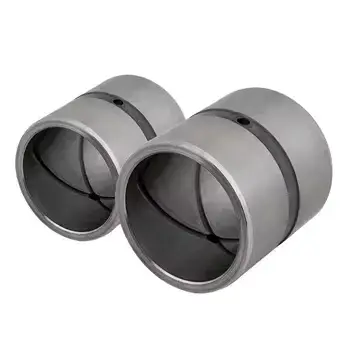
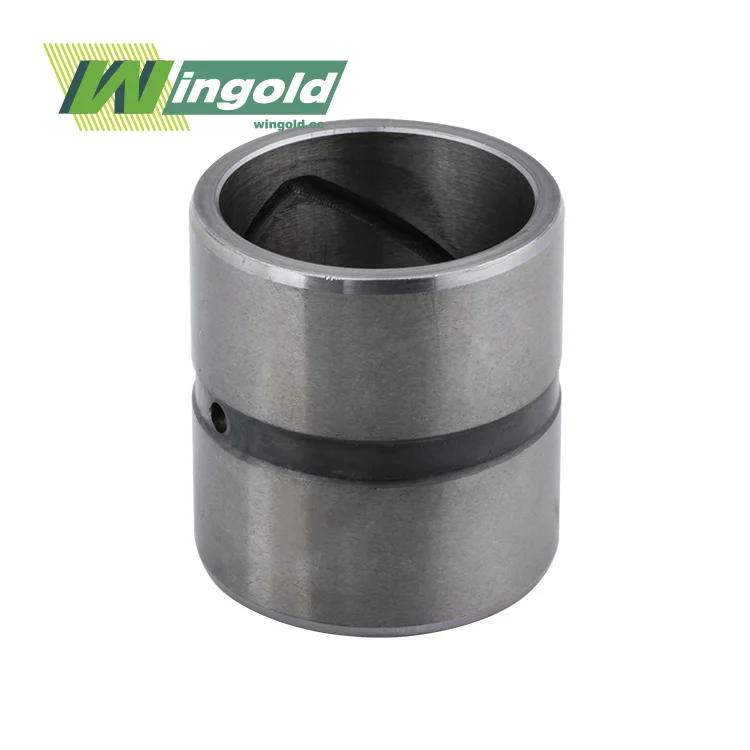
There are set ranges of sizes for standard hardened thrust washers that work with most shaft sizes and load needs. With inner diameters from 20 to 200 mm and outer diameters from 40 to 300 mm, the WGB-150 series can be used in a lot of different situations. When equipment designs call for non-standard shaft diameters, specific thickness tolerances for clearance control, or built-in features like oil grooves and distribution holes, custom manufacturing is needed. These engineered oil pathways make lubrication work better by directing lubricant to key contact areas. This lowers friction and heat production in places like hydraulic cylinder trunnion sleeves and articulated bearings.
Installation, Maintenance, and Troubleshooting of Hardened Thrust Washers
Correct installation methods and routine maintenance schedules extend the life of hardened thrust washers and keep them from breaking down without warning. When technical teams know these steps, they can lower the total cost of ownership of equipment while also making it more available.
Installation Guidelines for Optimal Performance
To get the mating surfaces to fit together correctly, they must first be cleaned thoroughly to get rid of any manufacturing residues, corrosion, or lubricant contamination from before. Verifying the flatness of a surface makes sure that loads are spread out evenly. Even small differences can cause stress concentrations that speed up wear. When positioning washers, making sure they are lined up with the centerlines of the shafts stops edge loading that would damage the bearing surface quickly. During assembly, exact torque specifications must be followed. If there isn't enough clamping, movement can happen that leads to fretting wear, and if there is too much torque, the washer can be deformed past its elastic limit.
Lubrication Strategies and Maintenance Intervals
Different types of applications have different lubrication needs. Self-contained systems that use an oil bath to lubricate their parts need to have the oil condition and contamination levels checked on a regular basis. Initial break-in procedures for grease-lubricated assemblies let the lubricant spread across the bearing surfaces before they are put under full load. The WGB-150's oil grooves and holes make it easier for the lubricant to spread, but they only work with clean lubricant that doesn't have any rough particles that could get stuck in the softer counterface. Maintenance schedules should match how often the equipment is used, and inspection times should be shortened for machines that work in dirty or dusty places, like in mining or forestry.
Recognizing Wear Indicators and Failure Modes
When routine maintenance is done visually, early warning signs can be seen. Surface discoloration means that the part is getting too hot because it isn't oiled enough or is being loaded too much for its intended capacity. Scores show that there may be abrasive particles in the lubricant or that the parts are not lined up correctly, causing uneven contact patterns. Measurements of dimensions show how gradually thickness decreases due to normal wear, so replacement can happen before clearances get too big and stop the equipment from working. Surface fatigue usually shows up as pitting or spalling and is caused by cyclic stress concentrations or flaws in the material. Corrosion damage happens when water gets into sealed parts or when lubricants that don't work well together destroy protective surface treatments.
Troubleshooting premature failures requires systematic analysis. Sudden catastrophic failure usually means that the component is being overloaded beyond its 500 kN capacity rating. On the other hand, slowly declining performance could mean that it isn't properly oiled or is contaminated. The procurement and maintenance teams should write down failure patterns so that systemic problems can be found that need changes to the design or the specifications. This approach is based on data, which supports efforts to keep getting better and helps to justify buying higher-specification parts when operating conditions are too tough for standard products.
Hardened Thrust Washers vs Alternatives: Making the Right Choice
When choosing components, you have to balance performance needs, environmental factors, and your budget. Knowing the pros and cons of various bearing technologies helps you make purchases of hardened thrust washers that improve the dependability and lifetime costs of equipment.
Hardened Steel Versus Bronze Thrust Washers
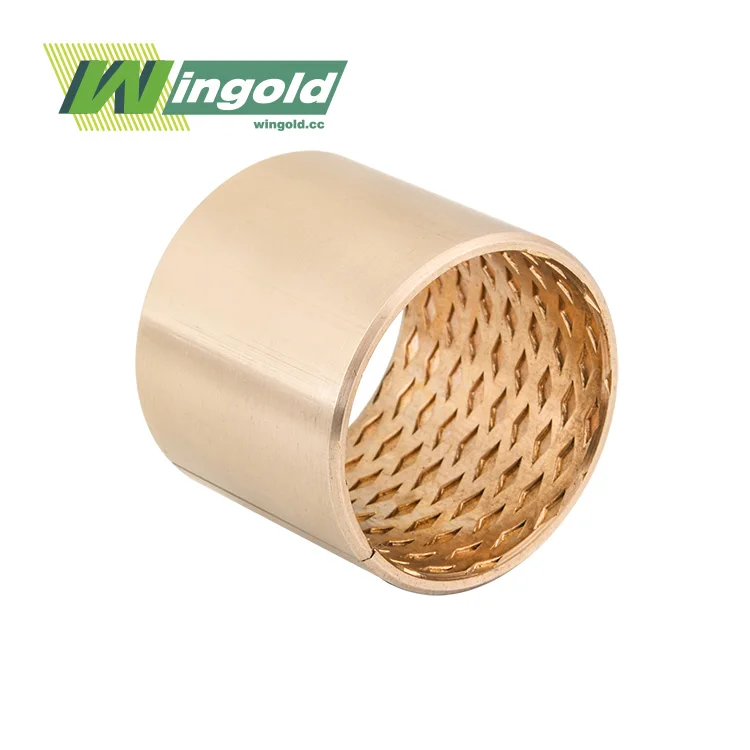
Bronze washers naturally lubricate and don't rust, so they can be used in marine environments and other places where lubrication isn't very good. But their limitations on how much weight they can hold and how hard they are become clear in heavy-duty machinery. Hardened thrust washers can handle much higher compressive stresses—the WGB-150 series can handle loads of up to 500 kN—without changing shape permanently. Because it is harder, it doesn't gall when it meets hardened steel shafts, which is a common way for high-load pivot points in construction equipment and articulated machinery to break. Even though bronze parts are more expensive per unit, they have a higher total cost of ownership because they don't last as long in demanding applications as hardened steel parts that do.
Plain Washers and Their Limitations
In low-stress applications, standard unhardened washers can be used as spacers and load distributors, but they lack the necessary surface hardness and wear resistance for bearing functions compared to hardened washers. When loads put them through rotational motion, plain washers wear out quickly, leaving gaps that let the shaft move and vibrate. This wear and tear speeds up the wear on nearby parts, which could damage expensive shafts or housings. The small initial cost savings are quickly lost when you consider how often replacements are needed and secondary damage. These worries are taken care of by the engineered bearing surfaces on hardened thrust washers, which keep their dimensions stable over time.
Coated Options: Protection Versus Economics
Surface treatments cost more, but they make parts last longer in harsh environments. Corrosion protection is necessary for equipment that works outside or in humid factories, where rust would make the bearings less effective. To make the choice, you have to weigh the value of longer replacement intervals against the cost of coating. When used in clean, temperature-controlled areas with good lubrication, non-coated washers with better surface finishes work well and don't cost as much. Operations that involve wet conditions, salt spray, or chemical contamination make protective coatings an investment that pays off by keeping equipment from needing to be replaced too soon.
Custom Manufacturing for Specialized Applications
Standard products work well for most uses and have shorter lead times and lower costs because they are mass-produced. Custom manufacturing is useful when standard sizes don't work with the equipment or when adding features makes the product much more useful. Custom development may be necessary for engineered oil distribution systems, secret material mixes, or specific size requirements. Lead time is a very important factor. Standard products from existing inventory can be shipped quickly, which helps with emergency repairs and keeps downtime to a minimum. However, custom components need to be manufactured over cycles that can last anywhere from weeks to months, depending on their complexity and order volume.
These comparisons show why procurement specifications should take into account how things will actually work instead of just picking the cheapest option. Talking to experienced suppliers about technical issues can help you find the best balance between performance needs and budget limits. When a buyer knows what the application needs and a supplier knows what materials can be used and how to make them, they can work together to come up with specifications that will work well for a long time.
Procurement Guide: How to Source Quality Hardened Thrust Washers?
Effective sourcing strategies make sure that there is a steady supply of hardened thrust washers while keeping costs low and quality high to protect equipment investments. Suppliers who can meet long-term operational needs are found through a structured evaluation process.
Supplier Evaluation Criteria
Quality certifications are a good way to start the screening process. Certifications like ISO 9001 show that quality management systems are well-established, while certifications for specific industries, like IATF 16949 for auto suppliers or ISO 4383 for bearing parts, show that the company has specialized knowledge. It's important to take a close look at a supplier's manufacturing capabilities. Facilities that use CNC machining centers and centrifugal casting production lines can keep tolerances and consistency better than those that use older technologies. Professional bearing manufacturers are different from general fabricators because they have testing labs that can do metallurgical analysis, friction coefficient testing, and accelerated life testing. These labs show a high level of technical knowledge that helps with optimizing parts and figuring out why they failed when they do.
Understanding Cost Structures and Pricing
Base costs are based on the specifications of the materials used. For example, premium alloy steels cost more than standard carbon grades. Surface treatments and coatings come with extra costs that depend on the type of process and how complicated it is. Customizing the dimensions of an item makes it more expensive per unit because it needs more setup and programming. However, these extra costs go down a lot as the order quantity goes up. Volume discounts usually start at order amounts that allow for efficient production runs. Depending on the size and complexity of the part, these commitments are often measured in hundreds or thousands of pieces. During price negotiations, procurement managers should ask for detailed cost breakdowns that separate material, processing, and overhead costs. This will help them make better decisions.
Delivery Capabilities and Lead Times
The resilience of the supply chain depends on how well the suppliers can handle logistics and keep track of their stock. Manufacturers who keep a large stock of finished goods can meet emergency needs and keep downtime to a minimum when equipment breaks down. When looking for long-term suppliers, production capacity is important. Businesses that can adjust production to meet seasonal or project-based demand spikes offer more flexibility. Lead times and freight costs are affected by geography. However, the value of shorter lead times and easier communication often justifies buying from well-known domestic suppliers instead of faraway options with slightly lower unit prices.
Technical Support and After-Sales Service
Help with choosing a component can help you avoid making costly specification mistakes. Suppliers who offer engineering advice can suggest the best materials, sizes, and surface treatments based on the needs of the application. This could help find ways to improve performance while lowering costs. Failure analysis is useful when something breaks or wears out too quickly. It helps figure out if the problem is caused by a flaw in the part or something in the application, like too much stress or dirt. Warranty and return policies protect you from bad materials or mistakes made during production, but the real test of a supplier's quality is how rarely these problems happen.
Building long-term supplier relationships delivers advantages beyond individual transactions. Established suppliers understand your operational requirements and can proactively suggest improvements as new materials or manufacturing processes become available. The stability of these partnerships reduces procurement workload and supports continuous improvement initiatives that incrementally enhance equipment reliability and reduce maintenance costs. This strategic approach to managing suppliers, buying stops being a one-way transaction and turns into a partnership that helps achieve operational excellence.
Conclusion
Hardened thrust washers represent engineered solutions that protect expensive equipment while lowering the risk of breakdown and maintenance costs. To be successful, you need to know about the properties of the materials, how they are heated, and the specific needs of the application that determine the best part specifications. When you look at load capacity, wear resistance, and lifecycle costs in heavy-duty industrial settings, it's easy to see why hardened steel washers are better than softer ones. To do good procurement, you need to look at more than just the price per unit. You also need to look at the supplier's manufacturing technologies, quality certifications, technical support, and delivery reliability.
Wingold's WGB-150 series shows how advanced metallurgy, precise manufacturing, and engineered features can work together to make parts that meet the tough needs of construction equipment, hydraulic systems, and mobile machinery. Strategic partnerships with suppliers that focus on working together to solve problems and making things better all the time lead to operational benefits that build over time. This turns buying bearings from a basic need into an activity that adds value and supports equipment reliability and operational excellence.
FAQ
How do I determine the correct thrust washer size for my application?
First, measure the shaft's diameter to find out what the inner diameter needs to be. Then, check the housing's dimensions to find out what the outer diameter and thickness options are. Calculating the load helps make sure that the chosen washer can handle axial forces without going over its rated capacity. Check the manufacturer's specs for load ratings and tolerances on dimensions. If the application is complicated or has special operating conditions, you might want to get technical help from the supplier.
What makes a thrust washer fail before it should?
Not enough lubrication can cause too much friction and heat, contamination can bring in abrasive particles that scratch surfaces, misalignment can cause edge loading and stress concentrations, and overloading beyond the rated capacity are all common ways for things to break. Shorter service lives are also caused by corrosion from water getting in and bad installation methods. Most early failures can be avoided by following systematic maintenance procedures and choosing the right parts based on how they will be used.
Can thrust washers be used again after taking something apart?
Reusability is determined by visual inspection. Parts that have scoring, pitting, discoloration from overheating, or dimensional wear that is too great should be replaced. Even washers that look like they could be used again may have work hardening or subsurface stress buildup that shortens their useful life. When comparing the low cost of new parts to the damage that could happen if a worn washer fails, replacement is the smart thing to do during overhaul procedures.
Wingold Hardened Thrust Washers: Your Reliable Manufacturing Partner
Picking the right hardened thrust washers supplier has a direct effect on how well your equipment works and how much it costs to maintain. Wingold Bearing has more than ten years of experience in providing sliding bearing solutions. They combine advanced manufacturing skills with quick customer service to meet the specific needs of procurement managers and engineering teams.
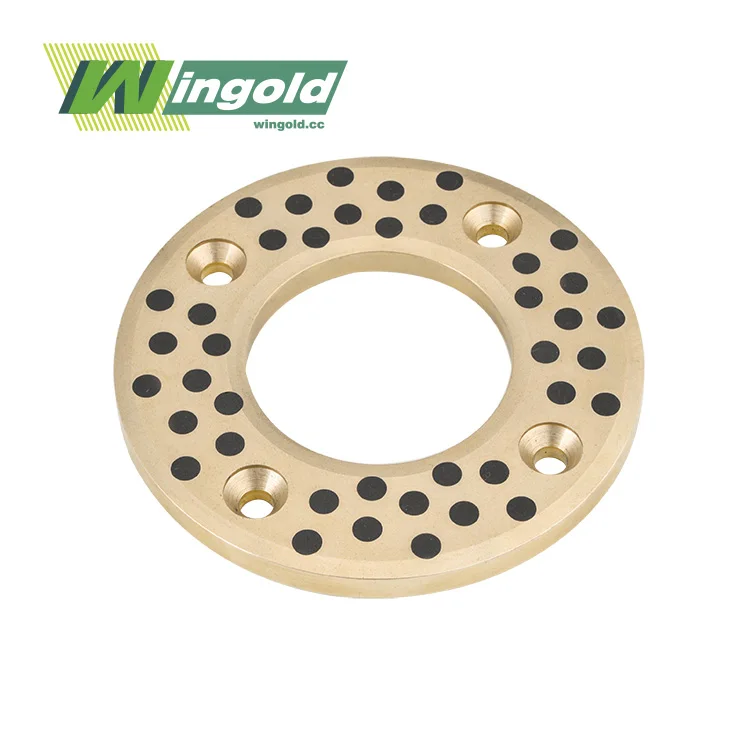
The WGB-150 series shows how much we care about quality and performance. These parts are made from GCr15 bearing steel and are strengthened by high-frequency quenching. They have a surface hardness of 58 to 62 HRC and a core toughness that can handle shock loads in truck axles, construction equipment, port equipment, and forestry equipment. The engineered oil grooves and distribution holes make the lubrication work better, which lowers friction and heat production in hydraulic cylinder trunnions and articulated bearings. Contact our team at info@wingold.cc to discuss your thrust washer requirements and receive technical recommendations tailored to your applications.
References
1. Budynas, Richard G., and J. Keith Nisbett. Shigley's Mechanical Engineering Design, 11th Edition. McGraw-Hill Education, 2019.
2. Hamrock, Bernard J., Steven R. Schmid, and Bo O. Jacobson. Fundamentals of Fluid Film Lubrication, 2nd Edition. Marcel Dekker, 2004.
3. American Society for Testing and Materials. ASTM B22 Standard Specification for Bronze Castings for Bridges and Turntables. ASTM International, 2020.
4. International Organization for Standardization. ISO 4383 Plain Bearings - Hardness Testing of Bearing Metals. ISO Standards, 2015.
5. Hutchings, Ian M., and Philip Shipway. Tribology: Friction and Wear of Engineering Materials, 2nd Edition. Butterworth-Heinemann, 2017.
6. Society of Tribologists and Lubrication Engineers. Bearing Fundamentals and Failures: A Technical Reference Guide. STLE Publications, 2018.
Learn about our latest products and discounts through SMS or email