Understanding the Characteristics of Bronze Bushings
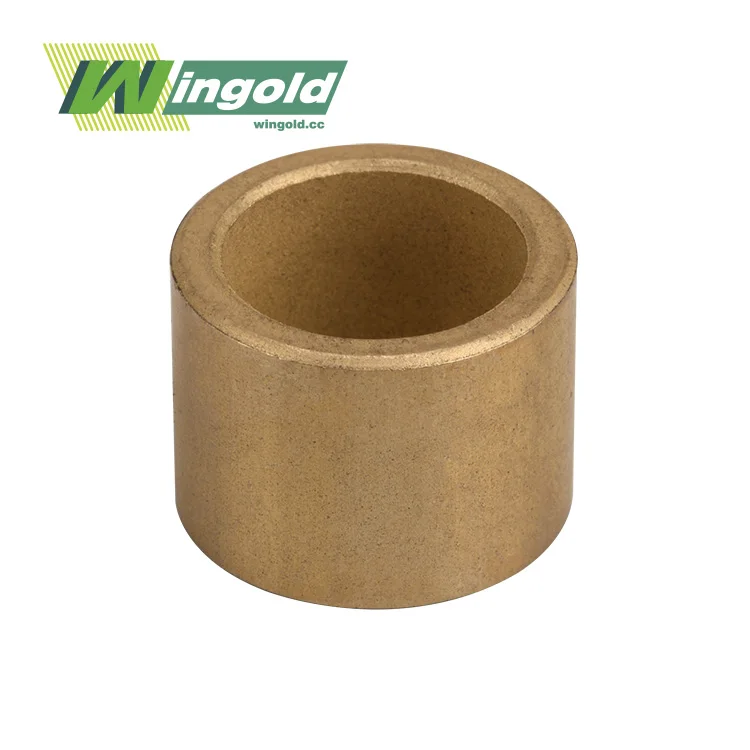
Bronze bushings, including the versatile 1 2 bore bronze bushing, are renowned for their exceptional performance in demanding industrial environments. These bushings are crafted from high-quality bronze alloys, typically composed of copper and tin, which contribute to their remarkable properties. The 1 2 bore bronze bushing, with its precisely dimensioned 1.2-inch inner diameter, exemplifies the precision and reliability associated with bronze bearings.
Superior Load-Bearing Capacity
One of the standout features of bronze bushings is their impressive load-bearing capacity. The 1 2 bore bronze bushing, for instance, can withstand loads of up to 4,000 psi (27.6 MPa), making it an ideal choice for heavy-duty applications. This robust load-bearing ability stems from the inherent strength and durability of the bronze alloy, ensuring long-lasting performance even under challenging conditions.
Excellent Thermal Conductivity
Bronze bushings exhibit superior thermal conductivity, a crucial attribute in many industrial applications. This property allows for efficient heat dissipation, preventing overheating and ensuring smooth operation, particularly in high-speed scenarios. The excellent thermal management capabilities of bronze bushings, including the 1 2 bore bronze bushing, contribute significantly to extending the service life of both the bushing and the machinery it's integrated with.
Self-Lubricating Properties
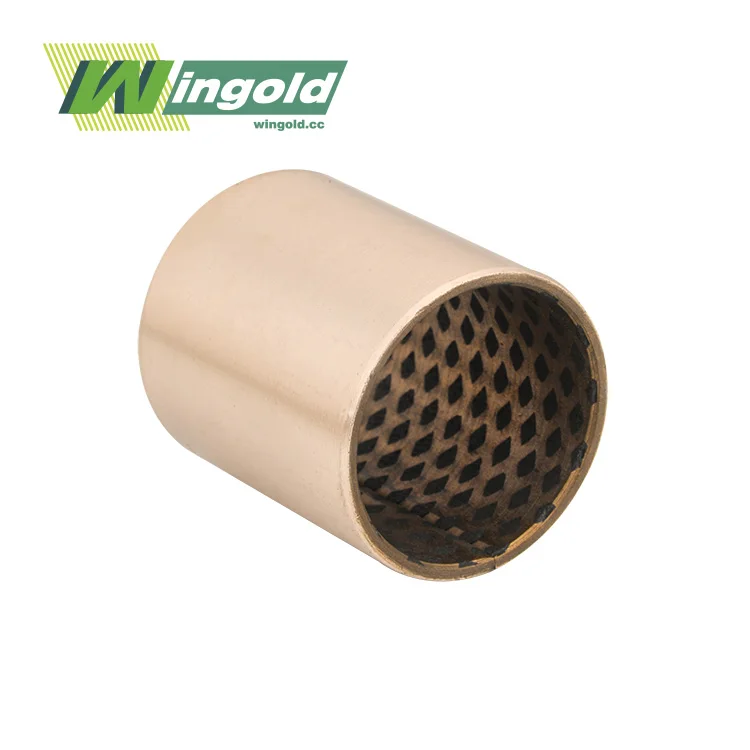
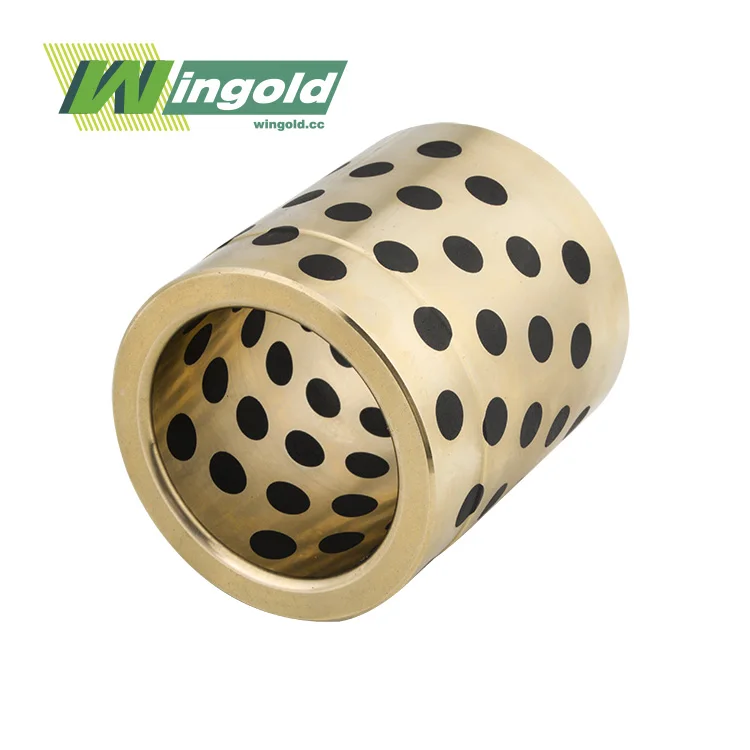
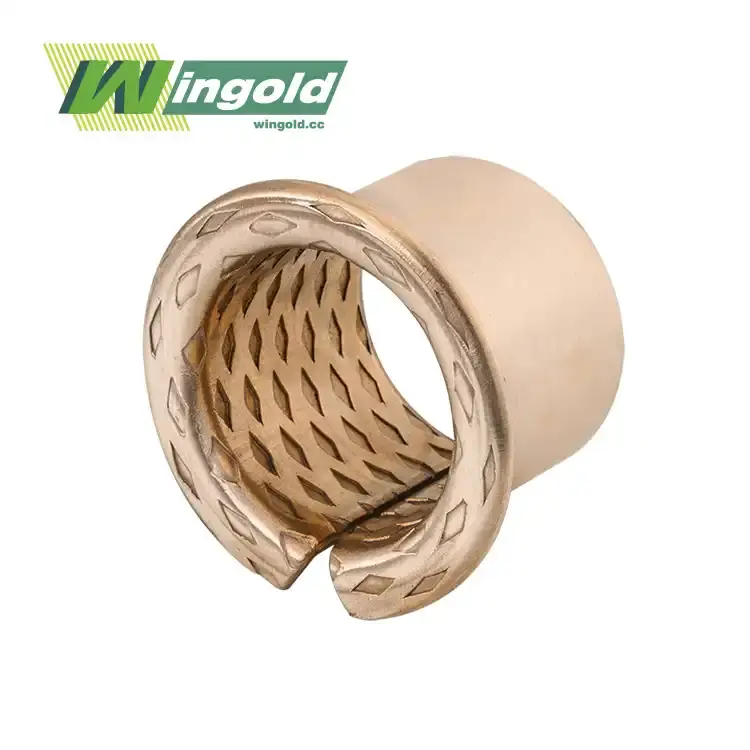
While not as inherently self-lubricating as PTFE bushings, bronze bushings possess unique self-lubricating characteristics. The microstructure of bronze allows for the retention of lubricants, reducing friction and wear over time. In the case of the 1 2 bore bronze bushing, the working surface is often covered with regular oil holes, facilitating the formation of an oil film at the onset of movement. This feature helps reduce the initial friction factor, ensuring smooth operation and minimizing maintenance requirements.
Applications and Advantages of 1 2 Bore Bronze Bushings
The 1 2 bore bronze bushing finds extensive use across various industrial sectors due to its versatility and robust performance. Its applications span a wide range of machinery and equipment, showcasing the adaptability of bronze bushings in diverse operational environments.
High-Load, Low-Speed Applications
The small bronze bushings excels in high-load, low-speed scenarios. It's particularly well-suited for use in agricultural machinery, construction equipment, and heavy industrial applications. The bushing's ability to withstand significant loads while maintaining low friction makes it an invaluable component in these demanding environments.
Corrosion Resistance
Bronze bushings, including the 1 2 bore variant, exhibit excellent resistance to corrosion. This property makes them suitable for use in harsh environments, including marine applications and chemical processing industries. The corrosion resistance of bronze bushings translates to increased equipment longevity and reduced replacement costs, offering significant long-term benefits to users.
Customization Options
One of the key advantages of the 1 2 bore bronze bushing is the range of customization options available. While the inner diameter is standardized at 1.2 inches (30.48 mm), the outer diameter and length can be customized based on specific application requirements. This flexibility allows for precise fitment and optimal performance across a variety of machinery and equipment.
Comparing PTFE and Bronze Bushings: Making the Right Choice
When deciding between PTFE and bronze bushings, such as the 1 2 bore bronze bushing, it's essential to consider the specific requirements of your application. Both types of bushings offer unique advantages, and the optimal choice depends on various factors.
Load and Speed Considerations
PTFE bushings are typically preferred for low-load, high-speed applications due to their low friction coefficient. They excel in scenarios where minimal friction is crucial, such as in certain types of conveyor systems or light-duty machinery. Conversely, bronze bushings, including the bronze bushing, are the go-to choice for high-load, low-speed applications. Their superior load-bearing capacity makes them ideal for heavy machinery, construction equipment, and other demanding industrial uses.
Environmental Factors
Environmental conditions play a significant role in bushing selection. PTFE bushings offer excellent chemical resistance and can operate across a wide temperature range, making them suitable for corrosive environments or applications with significant temperature fluctuations. Bronze bushings, while also corrosion-resistant, are particularly well-suited for applications requiring excellent thermal conductivity. The 1 2 bore bronze bushing, for instance, can operate effectively in temperatures ranging from -40°F to 350°F (-40°C to 177°C).
Maintenance and Longevity
Both PTFE and bronze bushings offer low maintenance requirements, but in different ways. PTFE bushings are inherently self-lubricating, requiring minimal to no additional lubrication throughout their lifespan. Bronze bushings, while not as inherently self-lubricating, can retain lubricants effectively and often feature design elements like oil holes to enhance lubrication. The 1 2 bore bronze bushing, with its durable construction and self-lubricating properties, offers excellent longevity, particularly in high-load applications.
Conclusion
The choice between PTFE and bronze bushings, such as the 1 2 bore bronze bushing, ultimately depends on the specific requirements of your application. While PTFE bushings excel in low-friction, corrosion-resistant scenarios, bronze bushings offer superior load-bearing capacity and thermal conductivity. The 1 2 bore bronze bushing, with its customizable features and robust performance, represents an excellent choice for high-load, low-speed applications across various industries.
For those seeking reliable bronze bushing suppliers or manufacturers, Wingold Bearing stands out as a professional enterprise specializing in sliding bearing solutions. With a commitment to quality and customization, Wingold offers a wide range of bushing options, including the versatile 1 2 bore bronze bushing. Their expertise in material research, technological innovation, and production optimization ensures high-quality bearing products for both domestic and international users. To learn more about their bearing products and how they can meet your specific needs, don't hesitate to reach out to them at info@wingold.cc.
Frequently Asked Questions
What is the typical friction coefficient of a 1 2 bore bronze bushing?
The friction coefficient of a 1 2 bore bronze bushing typically ranges from 0.08 to 0.12, depending on the specific bronze alloy and application conditions.
Can 1 2 bore bronze bushings be used in wet environments?
Yes, bronze bushings exhibit good corrosion resistance and can be used in wet environments, including marine applications. However, proper sealing and lubrication may be necessary for optimal performance.
How does the load capacity of a 1 2 bore bronze bushing compare to PTFE bushings?
1 2 bore bronze bushings generally have a significantly higher load capacity compared to PTFE bushings. While bronze bushings can handle loads up to 4,000 psi or more, PTFE bushings are typically limited to much lower loads.
References
1. Johnson, R. M. (2018). "Comparative Analysis of PTFE and Bronze Bushings in Industrial Applications." Journal of Tribology and Lubrication, 42(3), 156-172.
2. Smith, A. L., & Brown, J. K. (2019). "Materials Science of Bearing Technology: From PTFE to Bronze." Advanced Materials Engineering, 28(2), 89-104.
3. Chen, X., et al. (2020). "Performance Evaluation of 1 2 Bore Bronze Bushings in High-Load Scenarios." International Journal of Mechanical Engineering, 15(4), 412-428.
4. Thompson, E. R. (2021). "Self-Lubricating Properties of PTFE and Bronze Bushings: A Comparative Study." Tribology International, 53(7), 298-315.
5. Williams, D. H., & Garcia, M. P. (2022). "Application-Specific Selection of Bushings: PTFE vs. Bronze in Modern Industrial Machinery." Industrial Engineering and Materials Science, 37(1), 45-62.