The Science Behind Bimetallic Bushing Sleeves
Material Composition and Structure
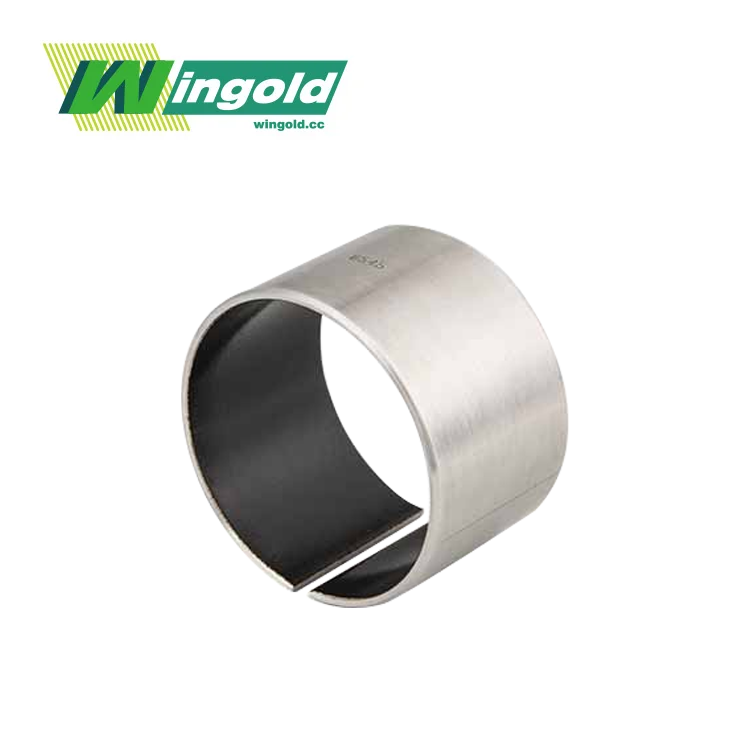
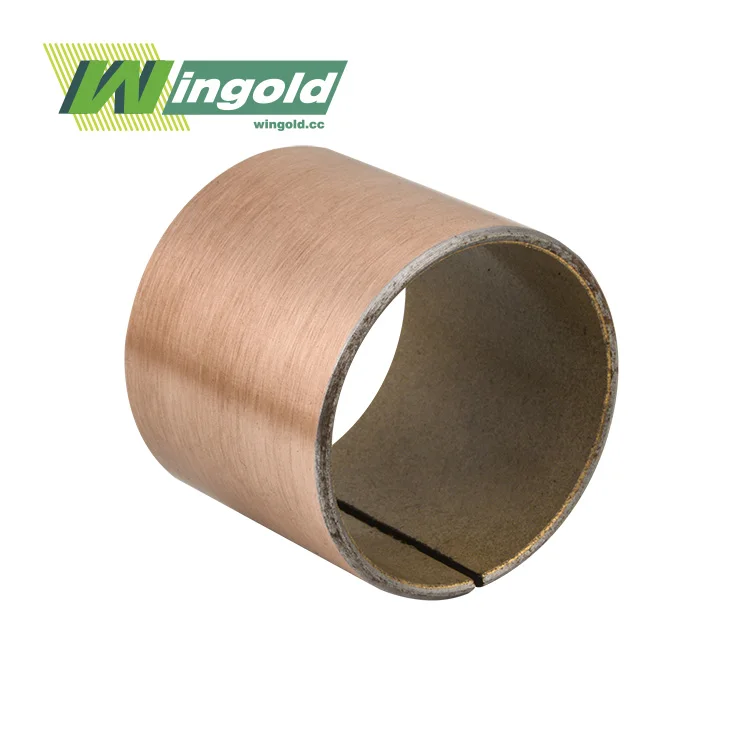
Bimetallic bushing sleeves are advanced engineering components that strategically merge strength and functionality. The steel backing, typically made from low-carbon steels like SAE 1010 or SAE 1020, provides outstanding rigidity and resistance against deformation. Onto this foundation, a wear-resistant alloy layer is applied, using copper- or aluminum-based materials specifically tailored for demanding environments. Common formulations such as CuPb10Sn10, CuPb6Sn6Zn3, and AlSn20Cu enhance performance by balancing load capacity, fatigue resistance, and lubrication behavior, ensuring long service life.
The production method involves a sophisticated sintering process, during which the alloy powder is metallurgically bonded to the steel substrate. This technique guarantees uniform adhesion and controlled alloy distribution, allowing for precise tailoring of the bearing layer’s thickness, often between 0.2 and 0.5 mm. Such refinement ensures that the bimetallic bushing sleeve provides superior mechanical properties, balancing high load-bearing strength with exceptional tribological efficiency. This careful material-engineering synergy makes them indispensable in modern machinery.
Heat Dissipation Mechanisms
An important advantage of bimetallic bushing sleeves lies in their ability to dissipate heat effectively. The steel backing acts as a thermal bridge, rapidly channeling heat away from critical bearing surfaces into surrounding structures. This efficient conduction helps minimize localized hot spots that could otherwise accelerate wear, deformation, or material breakdown. By stabilizing operating temperatures, the steel substrate ensures that the component retains structural reliability and extends operational life under continuous or cyclic high-temperature loads.
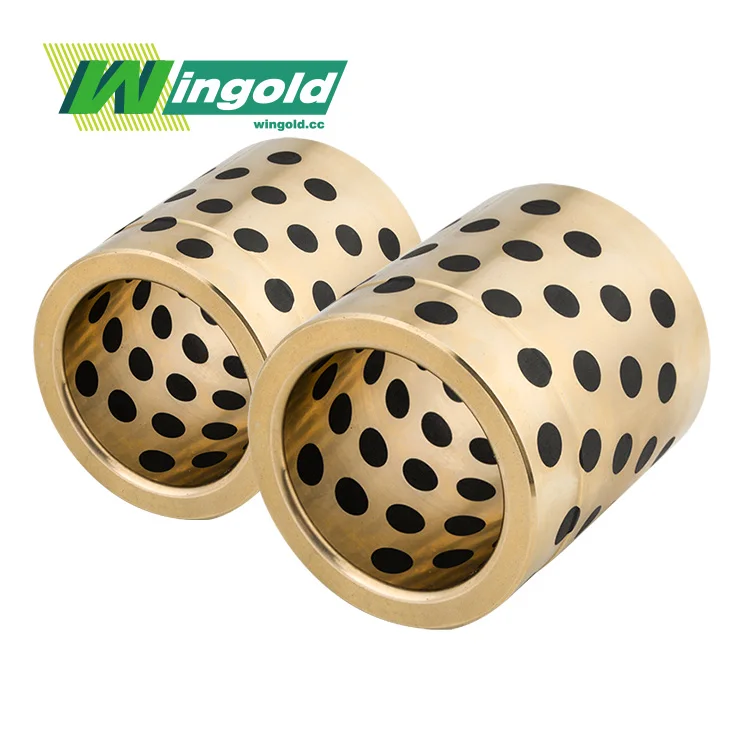
The alloy overlay further enhances this thermal management capability. Alloys such as CuSn8Ni exhibit excellent thermal conductivity, actively supporting heat transfer away from loaded regions. In addition, innovative designs often include lubrication grooves, oil holes, or surface pockets, which not only improve fluid film stability but also enhance thermal pathways. This dual role of structural and thermal optimization ensures that bimetallic bushing sleeves remain dimensionally stable, resist fatigue, and maintain reliable performance in even the harshest thermal environments.
Performance in High-Temperature Environments
Wear Resistance Mechanisms
The superior wear resistance of CuPb10Sn10 Bimetallic bearing in high-temperature environments stems from several interconnected factors. The alloy layer's composition is tailored to maintain its tribological properties at elevated temperatures. For instance, lead-containing alloys like CuPb24Sn4 offer excellent anti-friction characteristics and can withstand temperatures up to 280°C without significant performance degradation.
At the microscopic level, the bearing surface undergoes work hardening during initial use, creating a smoother and more wear-resistant interface. This process, combined with the material's inherent properties, results in a self-lubricating surface that minimizes friction and wear even in conditions where traditional lubricants might fail.

Load-Bearing Capacity at High Temperatures
Bimetallic bushing sleeves excel in maintaining their load-bearing capacity under high-temperature conditions. The steel backing provides unwavering structural support, while the carefully selected alloy layer ensures consistent performance. Some high-performance alloys, like AlSn20Cu, can maintain their mechanical properties at temperatures exceeding 200°C.
The composite structure also mitigates the effects of thermal expansion. As temperatures rise, the different thermal expansion rates of the steel and alloy layers create a slight compressive stress in the bearing surface. This phenomenon actually enhances the bushing's load-bearing capacity and helps maintain proper clearances, ensuring reliable operation even under fluctuating temperature conditions.
Applications and Industry Impact
Diverse Industrial Applications
Bimetallic bushing sleeves have found their niche in a wide array of industries, particularly those involving high-temperature and high-load applications. In the automotive sector, these components are essential in engine bearings, where they must withstand extreme temperatures and pressures. The aerospace industry utilizes bimetallic bushings in landing gear assemblies and engine components, benefiting from their lightweight yet durable nature.
Heavy machinery and industrial equipment also rely heavily on bimetallic bushing sleeves. Hydraulic systems, compressors, and turbines all employ these components to ensure smooth operation under challenging conditions. The oil and gas industry, with its demanding offshore and onshore applications, has embraced bimetallic bushings for their corrosion resistance and ability to perform in harsh environments.
Economic and Environmental Benefits
The adoption of Bimetallic self-lubricating Bearing brings substantial economic benefits to industries. Their extended service life and reduced maintenance requirements translate to significant cost savings over time. In high-temperature applications, where traditional bearings might require frequent replacement, bimetallic bushings offer a more durable and cost-effective solution.
From an environmental perspective, the self-lubricating properties of many bimetallic bushing sleeves reduce or eliminate the need for external lubrication. This not only simplifies maintenance procedures but also minimizes the risk of lubricant leakage and environmental contamination. The longer lifespan of these components also means less frequent replacement, reducing waste and resource consumption in the long run.
Conclusion
Bimetallic bushing sleeves represent a significant advancement in bearing technology, particularly for high-temperature wear resistance applications. Their unique composition and structure provide an optimal balance of strength, durability, and tribological performance. As industries continue to push the boundaries of operational conditions, the demand for these specialized components is likely to grow.
For those seeking reliable bimetallic bushing sleeve suppliers or manufacturers, Wingold Bearing stands out as a trusted partner. Our expertise in customized solutions and commitment to quality ensure that your high-temperature wear resistance needs are met with precision and excellence. To explore how our bimetallic bushing sleeves can enhance your operations, contact us at info@wingold.cc.
FAQ
What temperature range can bimetallic bushing sleeves withstand?
Typically, bimetallic bushing sleeves can operate effectively in temperatures ranging from -40°C to 280°C, depending on the specific alloy composition.
Are bimetallic bushing sleeves suitable for corrosive environments?
Yes, many bimetallic bushing sleeves offer excellent corrosion resistance, making them suitable for harsh industrial environments.
How do bimetallic bushing sleeves compare to traditional bronze bushings in terms of wear resistance?
Bimetallic bushing sleeves generally offer superior wear resistance compared to traditional bronze bushings, especially in high-temperature applications, due to their specialized alloy layer and heat dissipation capabilities.