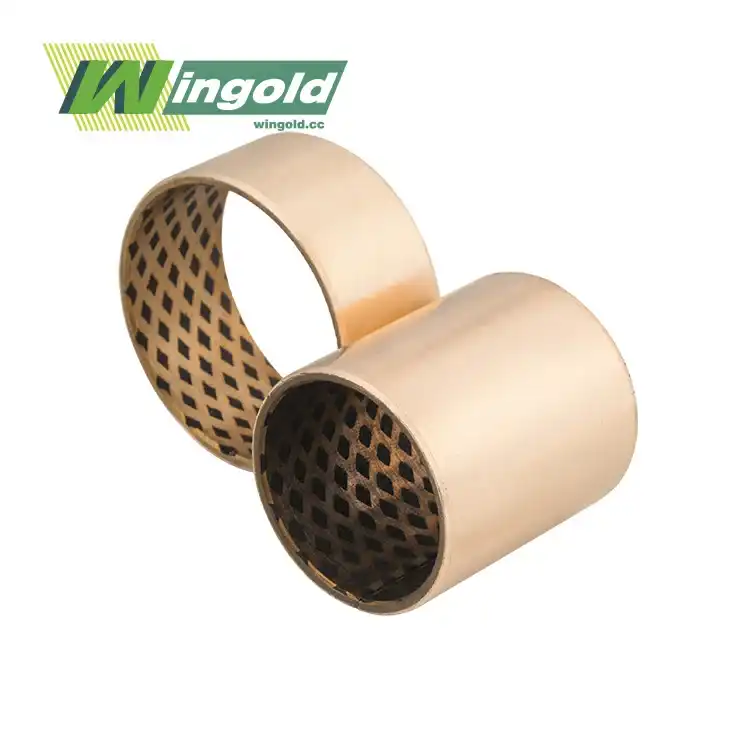
Introducing the Composition of Bronze Plain Bearings
Bronze plain bearings are engineered marvels, designed to provide optimal performance in various industrial settings. These bearings are typically composed of copper alloyed with tin, and sometimes with additional elements like lead, nickel, or zinc. The specific composition can be tailored to meet the demands of different applications.
Key Alloy Compositions
Common bronze alloys used in plain bearings include:
- CuSn8: Contains 8% tin, offering a balance of strength and ductility
- CuSn10: With 10% tin content, providing increased hardness and wear resistance
- CuSn12: Featuring 12% tin, delivering superior strength and corrosion resistance
These alloy compositions contribute to the bearing's overall performance, influencing factors such as load capacity, wear resistance, and operating temperature range.
Microstructure and Its Impact
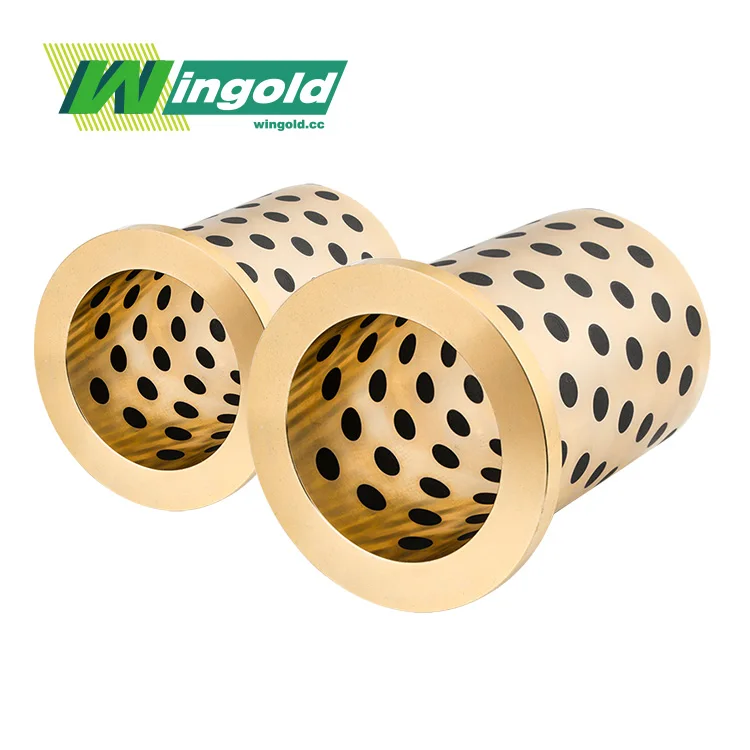
The microstructure of bronze plain bearings plays a crucial role in their wear resistance properties. During the casting process, careful control of cooling rates and heat treatment can result in a fine-grained structure that enhances the bearing's mechanical properties. Bronze self lubricating bearings, which incorporate solid lubricants within this refined microstructure, benefit from both improved hardness and low-friction performance. This combination contributes to superior strength, enhanced wear resistance, and reduced maintenance requirements in demanding applications.
Factors Influencing Wear Resistance in Bronze Plain Bearings
Several important factors combine to give bronze plain bearings their exceptional wear resistance, making them a reliable choice in demanding applications. These factors include the inherent properties of the bronze alloy, the manufacturing methods used, the design geometry, and the environment in which the bearing operates. Each of these elements plays a role in determining how well the bearing can withstand friction and pressure. By understanding and carefully managing these variables, engineers can optimize the performance and service life of bronze plain bearings, ensuring that they deliver consistent results even in challenging industrial conditions.
Surface Hardness and Finish
The surface hardness of bronze plain bearings has a direct and significant effect on their resistance to wear. Harder surfaces are better able to withstand friction and reduce the risk of premature damage, especially when operating under heavy or continuous loads. Equally important is the surface finish, as a polished and smooth surface reduces friction, minimizes contact wear, and allows smoother operation. Certain advanced designs, such as the WGB-090 series, offer customization with hemispherical or diamond-shaped oil holes and grooves. These features enhance lubrication pathways, reduce heat buildup, and further improve long-term wear resistance and operational efficiency.
Load Distribution and Capacity
Proper load distribution is one of the key requirements for maximizing the wear resistance and overall performance of bronze plain bearings. When a bearing is designed to spread load evenly across its entire surface, it prevents localized areas of stress that can lead to accelerated wear or even component failure. Bronze plain bearings are well-suited for carrying heavy loads, with some types capable of handling pressures up to 250 MPa. This high load-bearing capacity, combined with optimized distribution, ensures the components operate efficiently, extend their lifespan, and remain reliable in applications requiring durability and consistent mechanical performance.
Operating Conditions
The operating environment has a critical influence on the wear resistance and long-term effectiveness of bronze plain bearings. Factors such as temperature, lubrication quality, and operating speed must all be considered carefully. Bronze bearings typically provide stable performance within a broad range of -40°C to +150°C, making them suitable for various industrial applications. However, when exposed to extreme conditions outside this range, special alloys or surface treatments may be necessary. Maintaining proper lubrication is essential, as it reduces friction, controls excessive heat, and minimizes wear. Lubricating bearings, designed specifically to optimize the distribution and retention of lubricants, can further enhance performance and significantly extend the service life of bronze components when operating conditions are properly managed.
Applications and Benefits of Wear-Resistant Bronze Plain Bearings
The superior wear resistance properties of bronze plain bearings make them indispensable in various industries. Their versatility and durability offer numerous benefits across a wide range of applications.
Industrial Applications
Bronze plain bearings find extensive use in:
- Hydraulic and pneumatic systems
- Forging and pressing machine tools
- Lifting and handling machinery
- Textile and food processing equipment
- Automotive and railway industries
- Marine and chemical processing environments
The wear-resistant properties of these bearings ensure reliable performance even in challenging operating conditions, contributing to increased equipment uptime and reduced maintenance costs.
Economic and Performance Benefits
Implementing wear-resistant bronze plain bearings offers several advantages:
- Extended service life, reducing replacement frequency
- Lower maintenance requirements, minimizing downtime
- Improved equipment reliability and performance
- Potential for downsizing machinery components, leading to cost savings
- Enhanced energy efficiency due to reduced friction
These benefits collectively contribute to a lower total cost of ownership for equipment utilizing bronze plain bearings.
Conclusion
Cast bronze plain bushings offer exceptional wear resistance properties, making them a superior choice for various industrial applications. Their unique composition, tailored microstructure, and customizable features contribute to extended service life, reduced maintenance, and improved equipment performance. As a leading bronze plain bearings supplier and manufacturer, Wingold Bearing is committed to providing high-quality, wear-resistant bearing solutions tailored to your specific needs. Our extensive range of products, including the versatile WGB-090 series, ensures that we can meet the demands of diverse industries and applications. For more information on our wear-resistant bronze plain bearings and how they can benefit your operations, please contact us at info@wingold.cc.
Frequently Asked Questions
What makes bronze plain bearings wear-resistant?
Bronze plain bearings derive their wear resistance from their unique alloy composition, microstructure, and self-lubricating properties.
Can bronze plain bearings be customized for specific applications?
Yes, bronze plain bearings can be tailored with specific alloy compositions, dimensions, and surface treatments to meet unique application requirements.
What are the main advantages of using wear-resistant bronze plain bearings?
Key advantages include extended service life, reduced maintenance, improved equipment reliability, and potential cost savings through machinery downsizing.