- English
- French
- German
- Portuguese
- Spanish
- Russian
- Japanese
- Korean
- Arabic
- Greek
- German
- Turkish
- Italian
- Danish
- Romanian
- Indonesian
- Czech
- Afrikaans
- Swedish
- Polish
- Basque
- Catalan
- Esperanto
- Hindi
- Lao
- Albanian
- Amharic
- Armenian
- Azerbaijani
- Belarusian
- Bengali
- Bosnian
- Bulgarian
- Cebuano
- Chichewa
- Corsican
- Croatian
- Dutch
- Estonian
- Filipino
- Finnish
- Frisian
- Galician
- Georgian
- Gujarati
- Haitian
- Hausa
- Hawaiian
- Hebrew
- Hmong
- Hungarian
- Icelandic
- Igbo
- Javanese
- Kannada
- Kazakh
- Khmer
- Kurdish
- Kyrgyz
- Latin
- Latvian
- Lithuanian
- Luxembou..
- Macedonian
- Malagasy
- Malay
- Malayalam
- Maltese
- Maori
- Marathi
- Mongolian
- Burmese
- Nepali
- Norwegian
- Pashto
- Persian
- Punjabi
- Serbian
- Sesotho
- Sinhala
- Slovak
- Slovenian
- Somali
- Samoan
- Scots Gaelic
- Shona
- Sindhi
- Sundanese
- Swahili
- Tajik
- Tamil
- Telugu
- Thai
- Ukrainian
- Urdu
- Uzbek
- Vietnamese
- Welsh
- Xhosa
- Yiddish
- Yoruba
- Zulu
How often should sintered bronze bushings be lubricated?
Sintered bronze bushings, which are self-lubricating parts made through powder metallurgy and have a porous structure that holds oil in micropores. Even though their shape makes upkeep less likely, they still need extra lubrication. Depending on the conditions of use, lubrication may need to be done every three to six months for light-duty uses, once a month for moderate operations, and once a week or even every day for heavy-duty or high-speed settings. Because this schedule changes depending on load, temperature, speed, and the surroundings, it is important to make sure that repair plans are unique for each application.
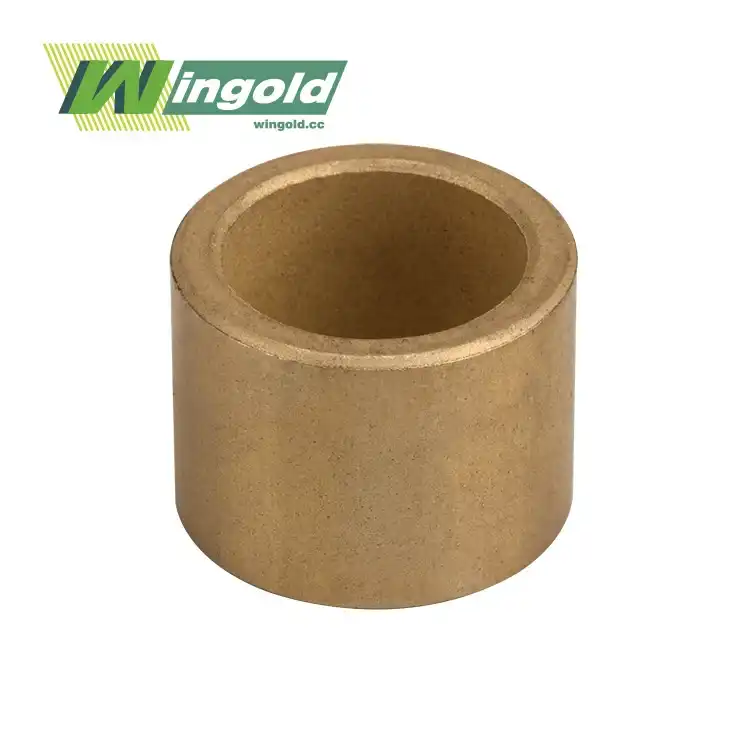
Understanding Sintered Bronze Bushings and Their Lubrication Needs
The base for these precise parts is made with powder metallurgy. Bronze powder, which is usually a combination of copper and tin, is pushed down and heated to controlled temperatures during production to make a part with 20% to 30% holes. This web of holes that are linked to each other holds lubricating oil and lets it move to the surface through capillary action when the sintered bronze bushings move. Friction makes heat when the shaft turns. This heat energy makes the oil that is still in the bearing move toward the bearing surface and expand. This makes a thin film of lubrication between the metal surfaces. Under ideal conditions, this process cuts wear and friction coefficients by a huge amount, to about 0.05 to 0.10. The self-lubricating system keeps working while it's in use, which is a big benefit over regular plain bearings.
Why External Lubrication Remains Essential?
Even though the internal system is very complex, the oil on the outside is very important for many reasons. During operation, the oil in the holes slowly disappears through evaporation, oxidation, and movement. If the open structure isn't filled with new material, it will finally dry out, allowing metals to touch directly. This situation makes friction much worse, makes too much heat, and speeds up wear. Thermal control is also taken care of by external greasing. High-load uses make heat that lowers the quality of the oil inside faster than expected. Extra grease cools the bearing surface, gets rid of wear particles, and changes the chemistry of the oil. Self-lubrication lowers the frequency of maintenance but does not completely remove it. Engineers and maintenance managers need to be aware of this difference in order to plan for equipment dependability and figure out the total cost of ownership.
The Science Behind Capillary Action in Porous Bearings
Capillary action works because the oil and metal material are attracted to each other at the molecular level. The size of the pores, which is usually between 10 and 100 micrometers, causes enough surface tension to push oil outward when heat and rotating shafts lower the pressure inside. This passive system doesn't need any extra pumps or complicated delivery systems, so it's perfect for small setups where standard lubrication systems can't fit. The porosity rate and component amount determine how much oil a tank can hold. A bushing with 25% porosity can hold about a quarter of its volume in oil, which gives it a lot of operating reserves. When reviewing suppliers, people in charge of buying things should check the porosity standards because differences in these specs have a direct effect on service life and repair intervals.
Factors Influencing Lubrication Frequency for Sintered Bronze Bushings
More than anything else, operating factors determine when to do upkeep. When purchasing managers and technical experts understand these factors, they can come up with data-driven repair plans that balance the cost of work with the longevity of parts.
Load Conditions and Pressure-Velocity Relationships
The PV factor, which is pressure times speed, is the best way to measure lubricant stress. When used in mine or industrial equipment, heavy machinery puts loads on sintered bronze bushings that are higher than 100 N/mm². This greatly speeds up the oil loss process. High contact pressure squeezes oil off the bearing surface faster than capillary action can replace it, so oil has to be applied from the outside often. On the other hand, uses with low loads, like office tools or positioning systems, work well below the critical PV limits. These setups might work for months with just the original oil charge. It is important that the technical specs fit the expected load patterns. For example, Wingold's products can handle loads of up to 280 N/mm², which is enough for hard industrial uses while still leaving enough safety margins.
Operating Temperature Effects on Lubricant Life
Temperature has a direct effect on how thick oil is and how fast it oxidizes. Our parts work well from -40°C to +150°C, but the lube system is put under a lot of stress by these temperature changes. When oil is heated to high temperatures, like in power tools or cars, its viscosity drops, which weakens the film. At the same time, oxidation speeds up, making varnish and sludge that block holes and stop capillary flow. Synthetic oils that are better at withstanding high temperatures and need to be replaced more often are needed in places where temperatures are high. Normal natural oils break down quickly above 90°C, but manufactured oils keep working up to 150°C. Maintenance plans need to take into account the environment. For example, equipment in buildings without air conditioning or close to heat sources needs more care than equipment in climate-controlled rooms.
Duty Cycle Considerations Across Industries
Continuous use uses up oil stocks more quickly than irregular use. When packaging equipment works three shifts a day, it needs to be oiled once a week. When cloth equipment works one shift a day, it may only need to be oiled once a month. The difference is very important for planning upkeep and keeping track of spare parts supplies. There are some special difficulties that come up when making things for cars. Robotic assembly equipment works all the time, but at different speeds and loads, which means that the wear patterns are always different. Instead of sticking to set dates, project managers who are in charge of these systems can find greasing problems before they break down and stop production lines by using condition monitoring methods.
Environmental Contamination and Protection Strategies
When oils and gritty particles mix in dusty places like building or mining equipment, they make lapping compounds that speed up wear. Chemicals used in petrochemical plants can break down some types of oil, so they need special synthetic lubricants that can work with process chemicals. Moisture makes things more difficult. Emulsions are made when water gets into a grease film. These weaken the film and make erosion more likely. For equipment that will be cleaned or that will be in a wet environment, water-resistant greases and sealed bearing types are needed. Environmental impact assessments should be part of procurement choices. Choosing the right seals and lubricants during the original buy avoids expensive failures that happen too soon.
Recommended Lubrication Frequency: Guidelines and Best Practices
To set up maintenance intervals that work, you have to balance operating needs with real limitations. We give suggestions based on study that can be used in a variety of workplace situations while still allowing for site-specific changes.
Initial Break-In Lubrication Protocols
During the first 50 to 100 hours of operation, new systems need extra care. During the first phase of break-in, tiny surface asperities are removed as the surfaces fit together. This process makes more worn particles than usual, which get into the oil tank and make it dirty. The first time you lubricate should be right after installation, and then the second time should be after 24 hours of use. This routine gets rid of the first bits of wear and ensures there is enough oil during the important conforming time. If you skip this step, the total life of the bearings could be cut by 30% or more, which is a big cost when applied to a lot of equipment.
Standard Operating Interval Recommendations
Light-duty uses for sintered bronze bushings with PV factors below 10,000 psi-fpm, room temperature, and clean surroundings usually need to be oiled every three to six months. Small elevators, positioning tools, and office supplies are all examples. Visual check every three months is enough; relubrication should only be done when the surface looks like it needs it. Most industrial automation tasks, like packing machines, material handling systems, and machine tool slideways, are moderately heavy. The work of upkeep is balanced against the safety of the parts by inspecting them once a month and re-greasing them every one to three months. Scheduled preventive maintenance that combines lubricating the sintered bronze bushings with other regular jobs is helpful in these situations.
Heavy-duty systems, like those with a lot of weight, a fast speed, or high temperatures, need to be checked every week and oiled as needed. In this group are mining tools, forge presses, and gear for ongoing processes. The WGB-FU2 iron-based oil-containing bearing works well in car shock absorbers and power tools with modest loads and a focus on cost. It has the same level of wear protection as bronze alternatives but costs less to buy.
Condition-Based Monitoring Approaches
Condition tracking is used by progressive maintenance teams to change how often parts are oiled based on their real state instead of set schedules. One simple method is to keep an eye on the temperature. Surface temperatures that are 15°C above the baseline suggest that the lubrication is not good enough. Acoustic monitors pick up increases in friction noise that happen before something breaks, which means that help is needed right away. Frequency-domain analysis is used in advanced facilities to find patterns of bearing wear through sound analysis. Even though they need special tools and training, these forecast methods make repair work more efficient and cut down on unplanned downtime. Supply chain managers like it when they don't have to keep as many spare parts on hand when mistakes are expected instead of happening at random.
Documentation and Record-Keeping Standards
Systematic recording changes upkeep from managing problems as they happen to strategically improving assets. Keeping track of when and what kind of lubrication was done, how much was used, and the conditions that were seen gives historical data that helps make future plans more accurate. This information is very helpful for warranty claims, failed reviews, and efforts to keep things better. Digital repair management systems keep track of things automatically and send out reports when jobs aren't done when they were supposed to be. When buying systems are integrated, automatic reorder points are set for lubrication and new bushings. This keeps stock from running out, which would delay important maintenance. This operating discipline tells the difference between sites that are well-run and those that have reliability problems all the time.
Common Challenges and Solutions in Lubricating Sintered Bronze Bushings
Through practical experience, we can see that there are repeated issues that lower the performance of bearings. Recognizing these problems and taking steps to fix them saves investments in tools and keeps operations running smoothly.
Misconception: Self-Lubrication Eliminates All Maintenance
The most common misunderstanding is that self-lubricating qualities mean that no upkeep is needed at all. This belief leads to early failures when sintered bronze bushings are used beyond their oil stores. Even though the open structure means that upkeep isn't needed as often as with regular bearings, they still need to be refilled every so often. This problem can be avoided by teaching repair staff what is expected of them. During training, it should be emphasized that self-lubrication increases gaps and makes processes easier, but it needs constant attention. When purchasing parts for places that are hard to get to or unreachable, purchasing managers need to think about how to get to them for maintenance at some point. No bearing really doesn't need maintenance for a long time.
Warning Signs of Inadequate Lubrication
Several visible signs show that lubricant is lacking before a catastrophic failure happens. More screaming, grinding, or shaking during operation could mean that the oil film isn't thick enough, letting metal-to-metal contact happen. Temperature rises found by touch or infrared thermography mean that there is more contact because the lube is breaking down. When you look closely, you can see that the surface is discolored. Blueing means that it is severely burning, and bronze or copper layers on the shafts show that the material has been transferred from too much use. More working torque or binding during spinning are signs that failure is about to happen. If you notice any of these signs, you need to look into it right away and fix the problem so that the damage doesn't spread to other parts of the machine.
Contamination Issues and Prevention Methods
Lubricant pollution can cause a number of problems. Particulate pollution causes three-body wear that is rough, and chemical contamination changes the way oil works. Corrosion and a loss of lubricant layer strength are both caused by water pollution. Each needs its own set of safety steps. Environmental toxins can't get into sealed bearings, but they make relubrication harder. When buying seals, facilities with a lot of contamination should make sure they get the right ones—labyrinth seals for solids and lip seals for liquids. Lubricant research done on a regular basis finds pollution early, so it can be fixed before it does any damage. This method works especially well in important situations where failure would have worse effects than the cost of tracking.
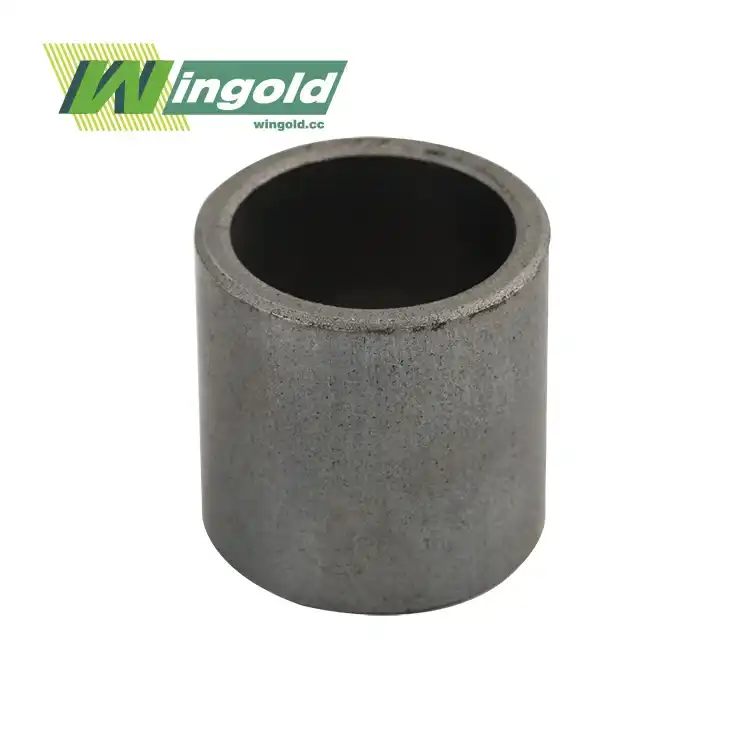
Structured Lubrication Program Development
Comprehensive programs for a sintered iron bush start with a list of the tools and a review of how important it is. High-criticality equipment—where breakdowns cost more in lost production than the cost of maintenance—gets the most attention and is oiled less often. Equipment with a lower criticality can handle longer times and less intense tracking. Consistency in performance is ensured by staff training. Technicians need to know how to choose the right lube, how to apply it, and how much they need. Too much lubrication loses stuff and can damage or contaminate seals, while too little lubrication doesn't protect well enough.
Standardized methods get rid of the differences that make programs less successful. The loop is closed by continuous growth. Failure analysis finds the real reasons why something went wrong. For example, was the regularity of lubrication too low, the choice of lube too bad, or did external conditions go beyond what was expected by the designers? This feedback improves upkeep plans and helps shape future buying requirements, making things more reliable and cost-effective over time.
Choosing the Right Supplier and Products for Reliable Lubrication Support
Choosing the right supplier has a huge effect on the long-term success of a business. Aside from the original cost of the parts, other things to think about are the quality of the technical help, the ability to customize, the dependability of shipping, and the total cost of ownership.
Importance of ISO Certification and Quality Standards
Quality standards are concrete proof of the ability to make things and keep an eye on the whole process. Following the rules set by ISO 4383 and ASTM B22 guarantees accurate measurements, the right mix of materials, and consistent performance. These guidelines are especially important for buying in large quantities, since different parts can make fitting difficult and service life hard to predict. Wingold keeps full testing labs that do things like analyzing friction coefficients and tests for increased life. This feature lets you choose products based on facts that are better suited to your personal needs instead of just following general suggestions. Technical workers can use test reports to see how well something works in situations that are similar to real-world working settings. This lowers the risks of deployment.
Customization Options for Specialized Applications
About 80% of uses can be met by standard catalog components, but for more specific needs, unique solutions are needed. Inner diameters range from 3 mm to 150 mm, outer diameters range from 200 mm to 250 mm, lengths range from 250 mm to 500 mm, and wall thicknesses range from 1 mm to 25 mm. These non-standard sizes allow for different load needs and space limitations. Different types of materials allow for wider ranges of applications than normal metal compositions. The WGB-FU2 iron-based formulation is used in situations where cost is more important than performance, like when textile machinery slide parts and guide bushings are used for static placement. Its oil content keeps the shaft from seizing up and gives it wear resistance that is similar to bronze when light to middling loads are applied.
Advantages of Partnering with Experienced Manufacturers
Manufacturers that have been around for a while bring a wealth of application knowledge that speeds up successful projects. Our engineering team helps you choose the right sintered bronze bushings, analyzes failures when problems happen, and suggests answers based on their wide range of experience across many industries. This consultative method works well when current designs don't work well or when new applications don't have enough reference data. Shorter development processes are possible with rapid prototyping. CNC machining centers make model parts quickly, so they can be tested for functionality before they are made into production tools. This makes it safer to build new machines where the performance of bearings changes how well the whole system works. When compared to trial-and-error methods, shortening development times and prices is something that project managers really like.
Supply Chain Reliability and Volume Procurement
As important as the quality of the parts is how reliable the delivery is. Waiting for new bearings and having to shut down equipment costs a lot more than paying extra for fast delivery. Our yearly production capacity of 10,000 tons and streamlined operations make sure that we are always available, even for pressing orders that get around normal wait times. Framework deals and specialized inventory plans make it possible to get more value from buying in bulk. Large equipment makers benefit from transfer agreements that put parts where they are needed and don't charge for them until they are installed. This method cuts down on the need for working capital and gets rid of stock-outs that cause production plans to slip.
Conclusion
Good oil management for sintered bronze bushings increases the life of bearings, lowers the cost of upkeep, and stops unexpected downtime. Self-lubricating design lowers the frequency of upkeep, but relubrication needs to be done every week to every six months depending on operating factors like load, temperature, speed, and contamination. Condition-based tracking improves set plans, which makes work more efficient. Choosing the right provider guarantees the quality of the parts, reliable delivery, and helpful expert support, all of which lower the total cost of ownership. Organizations that use structured repair plans that are backed up by performance data get more reliable tools than those that use reactive methods.
FAQ
Q1: Can These Bushings Operate Without Any External Lubrication?
A: Using the internal oil tank, the machine can run for a short time without any outside maintenance. This reserve is used up during long periods of dry operation, which speeds up wear and eventually leads to failure. Applications that can't be reached for repair need lower PV factors and cooler working temperatures to make the internal oil last longer. No application should plan for a part to work without any care after its rated service life is up.
Q2: What Lubricant Types Work Best for High-Temperature Applications?
A: Up to 90°C, mineral oils work fine, but at higher temperatures, synthetic lubricants are needed. Polyalphaolefin (PAO) synthetics work effectively up to 150°C, while polyglycol formulas are more stable at higher temperatures. It's important that factory-impregnated oil and extra lubricants work well together. Mixing chemicals that don't work well together leads to sludge formation. We give you suitability charts that show which extra lubricants will work best with our normal oil impregnation.
Q3: How Do I Know When Bushings Need Lubrication or Replacement?
A: Temperature tracking gives you early warning—surface temperatures 15°C above the normal level mean that the lube isn't good enough. Changes in the sound, like new noises or louder sounds, mean that things are getting worse. A visual check shows surface discoloration or layers on the shaft that show the wear is advanced. When working force goes up or motion gets stuck, it means that failure is about to happen. Any sign should be looked into right away. When the right amount of grease can't get things back to normal, they need to be replaced.
Partner with Wingold for Premium Self-Lubricating Bearing Solutions
Wingold Bearing specializes in making high-performance powder metallurgy bearings out of bronze and iron that are designed for tough industrial uses. As an experienced provider, we can give factory-direct price on both standard and custom designs, ranging from small 3mm parts to heavy-duty 200mm assemblies. Our quality processes are ISO-certified, and we test products for a shorter amount of time to see how long they last. Our expert team helps you choose the right parts for the job, analyzes friction, and fixes problems so that your total cost of ownership goes down while component performance is improved. Flexible minimum order amounts can be used for both making prototypes and keeping an inventory for upkeep. Get in touch with our engineering experts at info@wingold.cc to talk about your unique bearing needs and get personalized advice based on our over ten years of experience across multiple industries.
References
1. Johnson, M.R. (2018). Powder Metallurgy Bearing Design and Performance. Industrial Press Inc., New York.
2. American Society for Testing and Materials. (2017). ASTM B438-17: Standard Specification for Sintered Bronze Bearings (Oil-Impregnated). ASTM International, West Conshohocken, PA.
3. Hutchings, I.M. & Shipway, P. (2017). Tribology: Friction and Wear of Engineering Materials (2nd ed.). Butterworth-Heinemann, Oxford.
4. Society of Automotive Engineers. (2015). SAE 841 Standard: Sintered Bronze Bearing Material Specifications. SAE International, Warrendale, PA.
5. Neale, M.J. (2001). The Tribology Handbook (2nd ed.). Butterworth-Heinemann, Oxford.
6. Bhushan, B. (2013). Principles and Applications of Tribology (2nd ed.). John Wiley & Sons, Hoboken, NJ.
Learn about our latest products and discounts through SMS or email