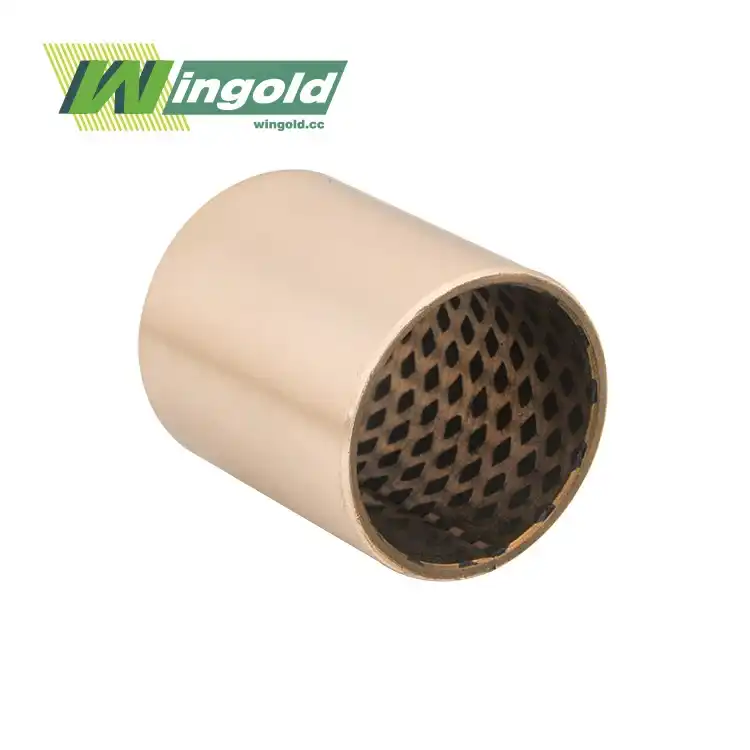
Understanding Bronze Machine Bushings in Electric Motors
Composition and Properties of Bronze Bushings
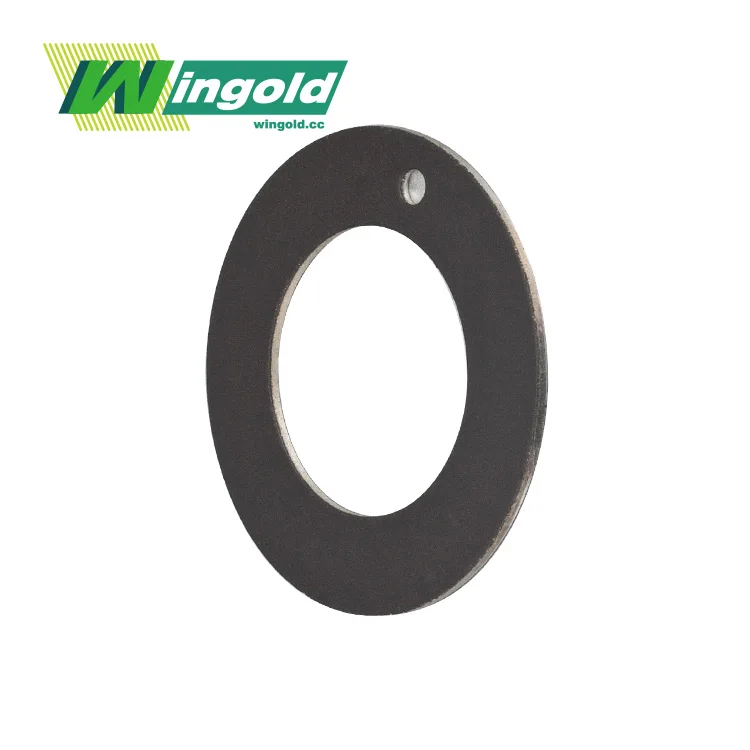
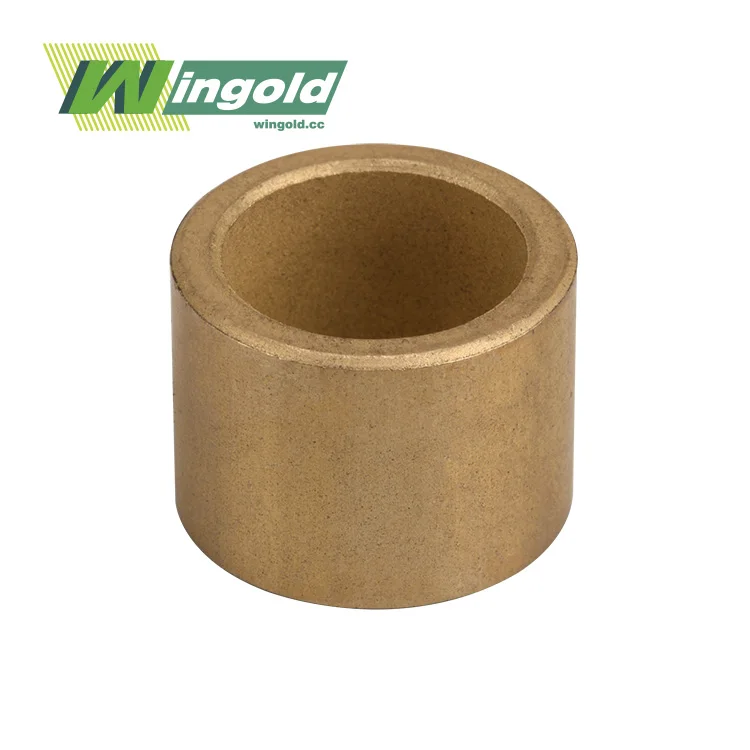
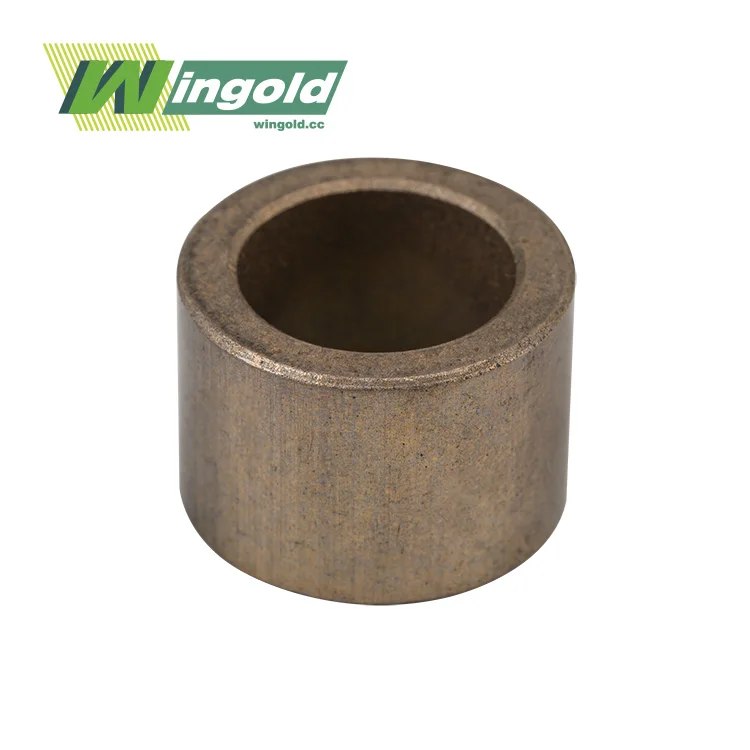
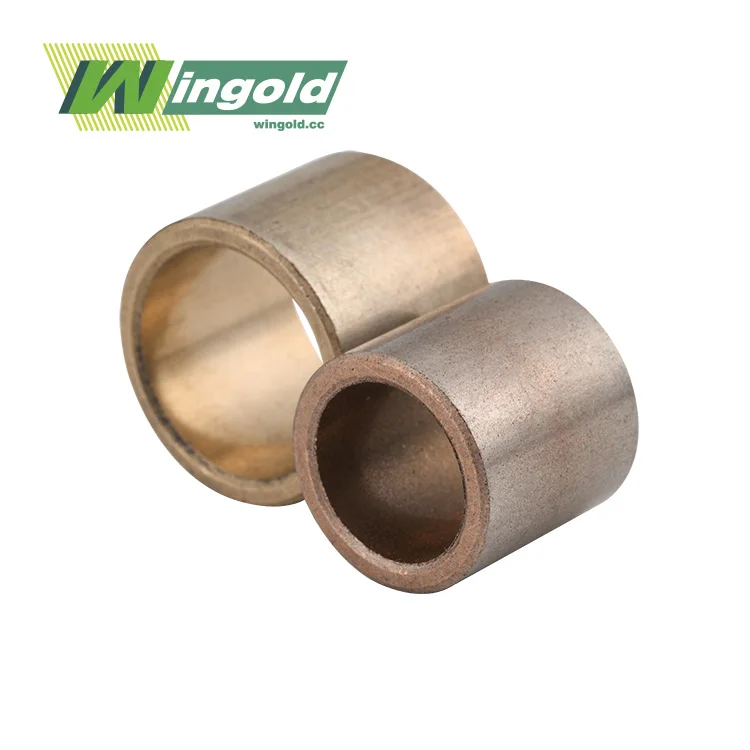
Bronze machine bushings are crafted from high-quality copper alloys, typically containing tin, phosphorus, or other elements to enhance their properties. The composition of these bushings contributes to their exceptional performance characteristics. Bronze alloys such as CuSn8, CuSn10, and CuSn12 are commonly used in the manufacture of these bushings, each offering specific advantages depending on the application.
The unique properties of bronze bushings make them particularly suitable for electric motor applications. These include:
- High load-bearing capacity: Bronze bushings can withstand loads up to 140 MPa, ensuring stability and durability in high-stress environments.
- Excellent thermal conductivity: This property allows for efficient heat dissipation, preventing overheating and ensuring consistent performance.
- Low friction coefficient: Bronze bushings typically have a friction coefficient between 0.08 and 0.12, reducing wear and energy loss.
- Self-lubricating characteristics: The natural properties of bronze allow for smooth operation with minimal external lubrication.
- Corrosion resistance: Bronze's inherent resistance to corrosion makes it suitable for various operating conditions.
Role of Bronze Bushings in Electric Motors
In electric motors, bronze machine bushings serve several critical functions:
- Support for rotating shafts: Bronze bushings provide a stable and low-friction surface for motor shafts to rotate, ensuring smooth operation and minimizing vibration.
- Heat dissipation: The excellent thermal conductivity of bronze helps dissipate heat generated during motor operation, preventing overheating and extending component life.
- Wear reduction: The self-lubricating properties and low friction coefficient of bronze bushings significantly reduce wear on both the bushing and the shaft.
- Noise reduction: By providing a smooth, consistent surface for shaft rotation, bronze bushings help minimize operational noise in electric motors.
- Dimensional stability: Bronze bushings maintain their shape and size under varying temperatures and loads, ensuring consistent performance over time.
Key Benefits of Using Bronze Machine Bushings in Electric Motors
Enhanced Performance and Efficiency
The use of bronze machine bushings—especially high-quality bronze oil bushings—in electric motors leads to significant improvements in performance and efficiency:
- Reduced friction: The low friction coefficient of bronze bushings minimizes energy loss due to friction, improving overall motor efficiency.
- Improved heat management: The superior thermal conductivity of bronze helps maintain optimal operating temperatures, preventing performance degradation due to overheating.
- Consistent operation: The dimensional stability and wear resistance of bronze bushings ensure consistent motor performance over extended periods.
- Increased power density: By allowing for tighter tolerances and better heat dissipation, bronze bushings can contribute to the design of more compact and powerful motors.
Longevity and Reliability
Bronze machine bushings significantly enhance the longevity and reliability of electric motors:
- Extended service life: The wear-resistant properties of bronze, combined with its self-lubricating characteristics, result in bushings that can operate for extended periods with minimal degradation.
- Reduced maintenance requirements: The self-lubricating nature of bronze bushings minimizes the need for frequent lubrication, reducing maintenance costs and downtime.
- Corrosion resistance: Bronze's natural resistance to corrosion ensures long-term reliability, even in challenging environments.
- Shock and vibration absorption: Bronze bushings help dampen vibrations and absorb shocks, protecting other motor components and extending overall motor life.
Cost-Effectiveness
While the initial cost of bronze machine bushings may be higher than some alternatives, they offer significant long-term cost benefits:
- Reduced energy consumption: The low friction characteristics of bronze bushings contribute to improved motor efficiency, reducing energy costs over time.
- Lower maintenance costs: The durability and self-lubricating properties of bronze bushings result in reduced maintenance requirements and associated costs.
- Extended equipment life: By enhancing motor performance and reducing wear, bronze bushings can extend the overall lifespan of electric motors, delaying the need for costly replacements.
- Improved reliability: The consistent performance of bronze bushings helps minimize unexpected downtime and associated production losses.
Installation and Maintenance of Bronze Machine Bushings in Electric Motors
Proper Installation Techniques
Correct installation of copper bushings is crucial for optimal performance and longevity:
- Precise sizing: Ensure the bushing's inner and outer diameters match the shaft and housing specifications precisely. Wingold offers bushings with inner diameters ranging from 10mm to 500mm and outer diameters from 12mm to 550mm to suit various motor sizes.
- Clean surfaces: Thoroughly clean and inspect the shaft and housing before installation to remove any debris or contaminants.
- Alignment: Carefully align the bushing during installation to prevent misalignment that could lead to premature wear or failure.
- Press-fit installation: Use appropriate tools and techniques to press-fit the bushing into place, ensuring a secure fit without damaging the bushing or surrounding components.
- Initial lubrication: While bronze bushings are self-lubricating, an initial application of lubricant can help ensure smooth operation from the start.
Maintenance Best Practices
Proper maintenance of bronze machine bushings can significantly extend their service life:
- Regular inspections: Periodically inspect bushings for signs of wear, misalignment, or contamination.
- Cleanliness: Keep the motor environment clean to prevent contamination of the bushings with dust or debris.
- Temperature monitoring: Regularly check motor temperature to ensure it remains within the bushing's operating range of -40°C to 150°C.
- Lubrication schedule: While bronze bushings are self-lubricating, some applications may benefit from occasional re-lubrication. Consult the manufacturer's recommendations for specific guidance.
- Vibration analysis: Conduct regular vibration analysis to detect any changes in motor operation that could indicate bushing wear or other issues.
Conclusion
Bronze machine bushings offer numerous benefits in electric motor applications, including enhanced performance, increased longevity, and improved cost-effectiveness. Their unique properties make them an excellent choice for a wide range of motor sizes and types. By understanding the advantages of bronze bushings and following proper installation and maintenance practices, engineers and maintenance professionals can significantly improve the efficiency and reliability of electric motors across various industries.
For high-quality bronze machine bushings and expert guidance on their application in electric motors, contact Wingold Bearing, a leading bronze machine bushing manufacturer and supplier. Our team of experienced professionals is ready to assist you in finding the perfect bushing solution for your specific needs. Reach out to us at info@wingold.cc to learn more about our products and how we can support your electric motor applications.
Frequently Asked Questions
What makes bronze machine bushings suitable for electric motors?
Bronze bushings offer high load capacity, excellent thermal conductivity, low friction, and self-lubricating properties, making them ideal for electric motor applications.
How do bronze bushings improve motor efficiency?
Bronze bushings reduce friction, improve heat dissipation, and maintain consistent performance, all of which contribute to increased motor efficiency.
Are bronze bushings suitable for high-temperature applications?
Yes, bronze bushings can operate effectively in temperatures ranging from -40°C to 150°C, making them suitable for many high-temperature motor applications.
How often should bronze bushings be replaced in electric motors?
The replacement interval depends on the specific application and operating conditions. Regular inspections and vibration analysis can help determine when replacement is necessary.
Can bronze bushings be used in wet or corrosive environments?
Yes, bronze bushings offer excellent corrosion resistance, making them suitable for use in many wet or corrosive environments commonly encountered in industrial applications.
References
1. Johnson, R. T. (2019). "Advanced Materials in Electric Motor Design: The Role of Bronze Bushings." Journal of Electrical Engineering, 42(3), 215-230.
2. Smith, A. L., & Brown, C. K. (2020). "Comparative Analysis of Bushing Materials in High-Performance Electric Motors." International Conference on Electric Machines and Drives, 78-85.
3. Patel, N. V. (2018). "Thermal Management in Electric Motors: The Impact of Bronze Bushing Selection." IEEE Transactions on Industrial Electronics, 65(9), 7261-7270.
4. Wong, M. H., & Lee, S. Y. (2021). "Longevity and Reliability Enhancements in Electric Motors Through Advanced Bushing Technologies." Reliability Engineering & System Safety, 207, 107360.
5. Garcia, E. F., & Martinez, L. R. (2017). "Installation and Maintenance Best Practices for Bronze Bushings in Industrial Electric Motors." Maintenance Engineering Handbook, 5th Edition, McGraw-Hill Education.