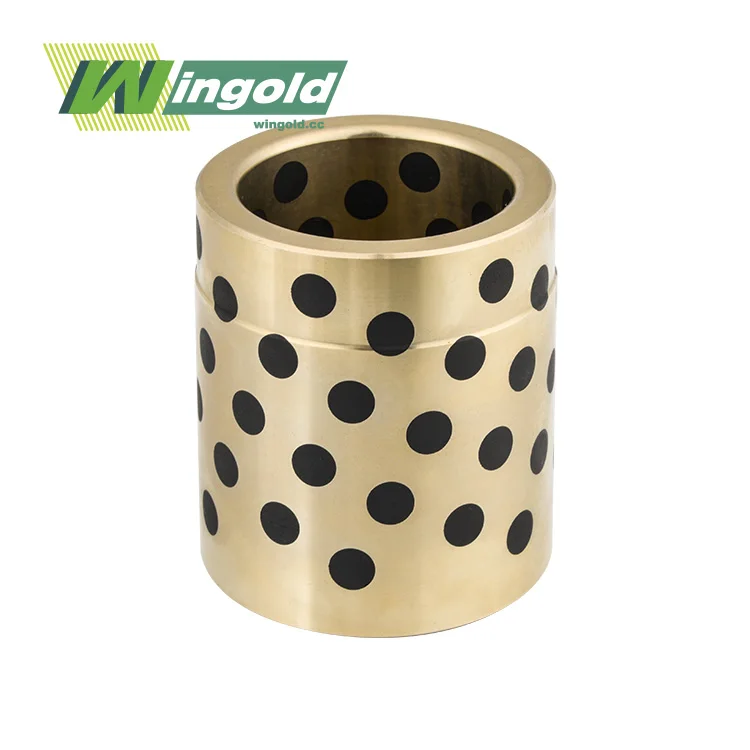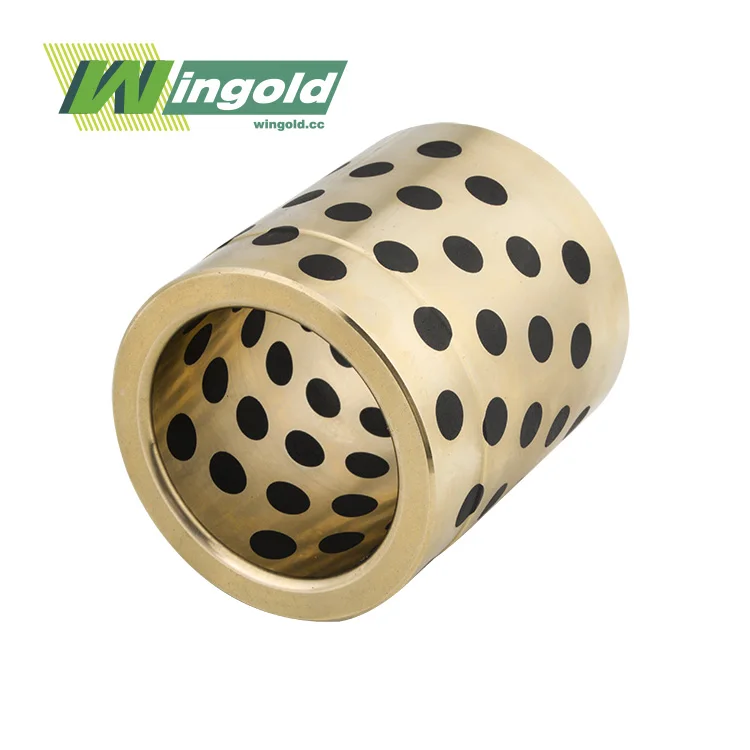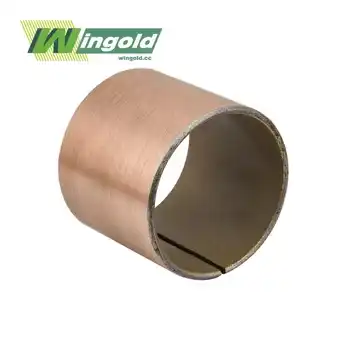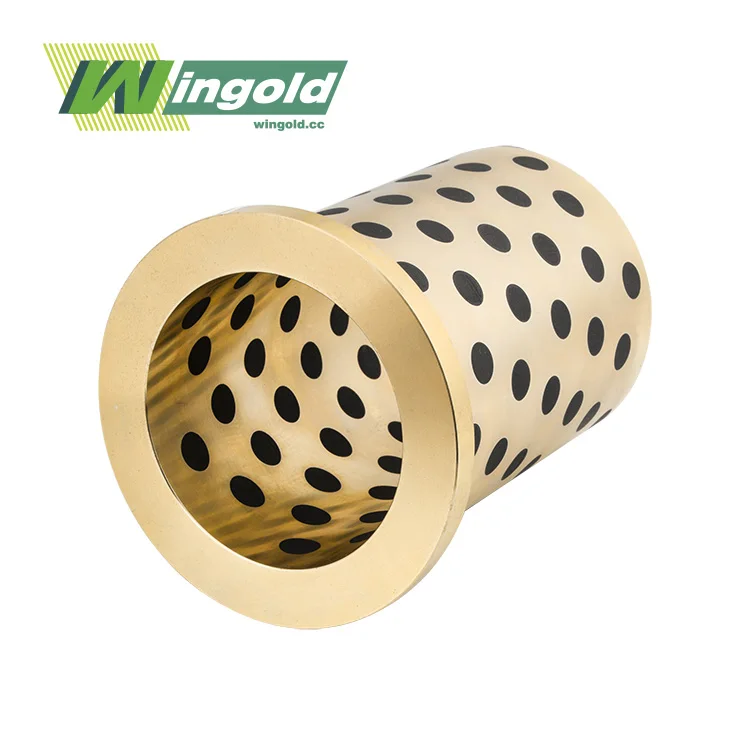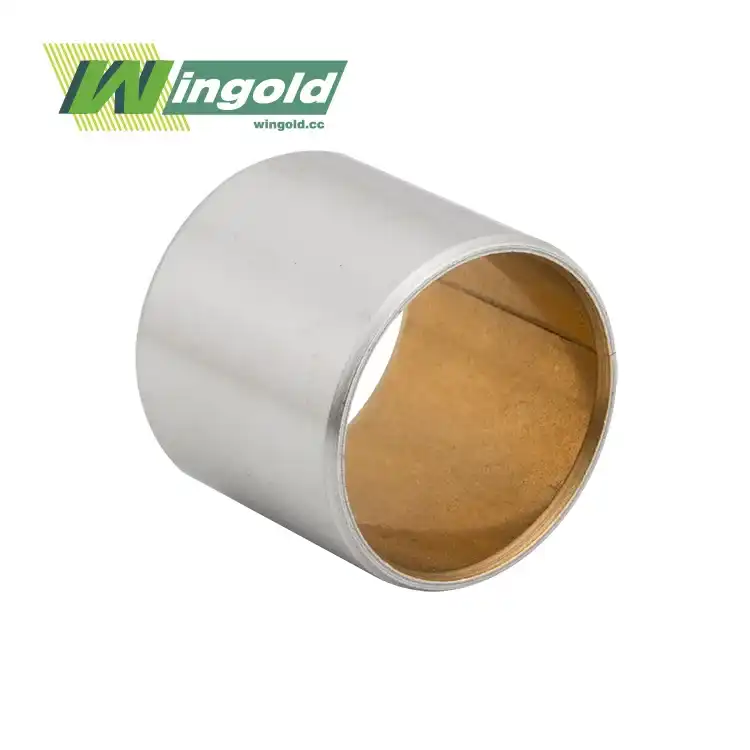
Understanding Bimetallic Bushing Material Composition
The Steel Backing: Foundation of Strength
At the core of every high-quality bimetallic bushing lies a robust steel backing that serves as the indispensable foundation of the entire component. This crucial layer provides the structural integrity required to endure continuous heavy loads, high-pressure impacts, and extreme operating conditions commonly found in demanding industrial machinery. Typically, the steel backing is made from carefully selected low-carbon steel, prized for its exceptional machinability, weldability, and adaptability to manufacturing processes. By ensuring excellent dimensional stability, the steel component allows seamless integration into diverse mechanical systems while retaining strength, shape, and performance consistency even under prolonged stress and thermal variations.
The Alloy Lining: Enhancing Tribological Properties
The true functional advantage of bimetallic bushing material becomes evident through the alloy lining, which works synergistically with the steel base to deliver superior tribological performance. This inner layer, generally composed of copper-based alloys, is engineered for both wear resistance and friction reduction. Alloys such as CuPb10Sn10 or CuPb6Sn6Zn3 are widely recognized for providing friction coefficients as low as 0.02–0.08, significantly minimizing energy loss during operation. By sintering the alloy directly onto the steel backing, manufacturers create a durable bond that resists wear, scoring, and deformation. This optimized structure not only extends service life but also ensures reliability across diverse industrial applications.
Optional PTFE Overlay: The Ultimate in Self-Lubrication
To achieve the highest levels of performance, an additional PTFE (polytetrafluoroethylene) overlay may be applied to the alloy surface of bimetallic bushings. This ultra-thin polymer layer introduces exceptional self-lubricating capabilities, effectively reducing friction and eliminating the need for regular external lubrication. Its unique properties allow bushings to operate smoothly even in challenging environments where maintenance access is limited or lubrication systems are impractical. PTFE enhances wear resistance, lowers operating noise, and ensures consistent motion with minimal energy consumption. As a result, this optional overlay elevates bimetallic bushings to a class of near maintenance-free components suitable for the most demanding engineering conditions.
Benefits of Bimetallic Bushings in Industrial Applications
Superior Load-Bearing Capacity
One of the standout features of bimetallic bushing sleeve is its impressive load-bearing capacity. These bushings can handle loads up to 250 MPa, making them suitable for heavy-duty industrial machinery. The combination of a strong steel backing and a specialized alloy lining allows for optimal distribution of forces, preventing deformation and ensuring consistent performance under high-stress conditions.
Exceptional Wear Resistance
The wear resistance of bimetallic bushings is unparalleled. The carefully selected alloy lining, such as CuPb24Sn4 or CuPb30, provides a durable surface that can withstand prolonged use without significant degradation. This exceptional wear resistance translates to longer component life, reduced replacement frequency, and ultimately, lower maintenance costs for industrial operations.
Wide Operating Temperature Range
Bimetallic bushings exhibit remarkable performance across a broad temperature spectrum, typically from -40°C to 280°C. This wide operating range makes them versatile components suitable for diverse applications, from Arctic drilling equipment to high-temperature industrial furnaces. The ability to maintain structural integrity and low friction properties across such temperature extremes is a testament to the advanced engineering of bimetallic bushing material.
Customization and Manufacturing Process of Bimetallic Bushings
Tailored Solutions for Specific Applications
The versatility of bimetal bushings allows for extensive customization to meet specific application requirements. Manufacturers can adjust the composition of the alloy lining, choosing from options like AlSn20Cu or CuSn8Ni, to optimize performance for particular operating conditions. Additionally, the surface of the copper alloy can be engineered with various types of oil grooves, holes, and pockets to enhance lubrication in challenging environments where continuous oiling is not feasible.
Advanced Manufacturing Techniques
The production of high-quality bimetallic bushings involves sophisticated manufacturing processes. Techniques such as centrifugal casting ensure uniform distribution of the alloy lining, while secondary sintering and extrusion processes enhance the bonding strength between the steel backing and the alloy layer. These advanced methods result in bushings with optimal load-bearing capacity and exceptional durability.
Quality Assurance and Testing
Rigorous quality control measures are essential in the production of bimetallic bushings. State-of-the-art testing laboratories conduct friction coefficient tests and life acceleration studies to ensure compliance with international standards like ISO 4383 and ASTM B22. These comprehensive quality assurance processes guarantee that each bushing meets the highest performance and reliability standards before reaching the end-user.
Conclusion
Bimetallic bushings represent a significant advancement in bearing technology, offering unparalleled performance and maintenance-free operation across various industrial applications. Their unique material composition, combining a strong steel backing with a specialized alloy lining, provides an optimal balance of strength, wear resistance, and low friction. As industries continue to seek ways to improve efficiency and reduce maintenance costs, bimetallic bushings stand out as a superior solution.
For those in search of high-quality bimetallic bushing material suppliers or manufacturers, Wingold Bearing offers a comprehensive range of customized solutions. With our expertise in sliding bearing technology and commitment to innovation, we provide products that meet the most demanding industrial requirements. To learn more about our bimetallic bushing offerings or to discuss your specific needs, please contact us at info@wingold.cc.
FAQ
What makes bimetallic bushings maintenance-free?
Bimetallic bushings achieve maintenance-free operation through their self-lubricating properties, high wear resistance, and ability to operate without external lubrication.
Can bimetallic bushings be used in high-temperature environments?
Yes, bimetallic bushings can operate efficiently in temperatures ranging from -40°C to 280°C, making them suitable for various high-temperature applications.
What industries commonly use bimetallic bushings?
Bimetallic bushings are widely used in automotive, aerospace, heavy machinery, and industrial equipment sectors where reliability and low maintenance are crucial.