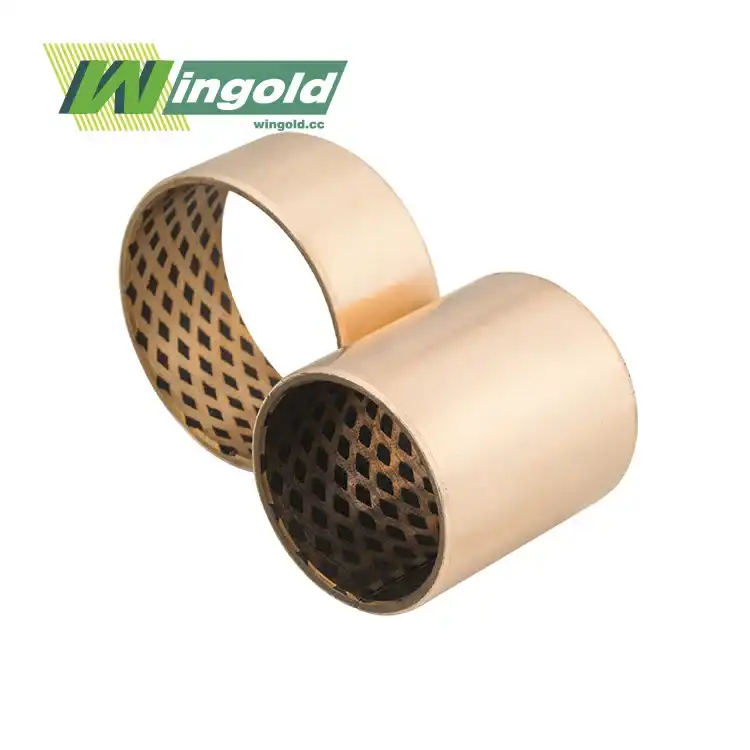
Understanding the Unique Properties of Bronze Bushings
Composition and Characteristics of Bronze Bushings
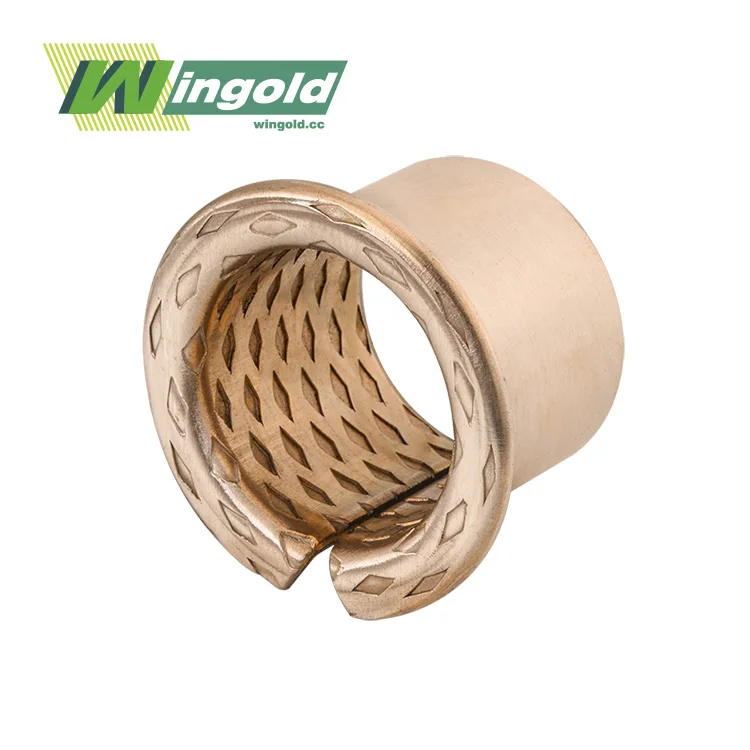
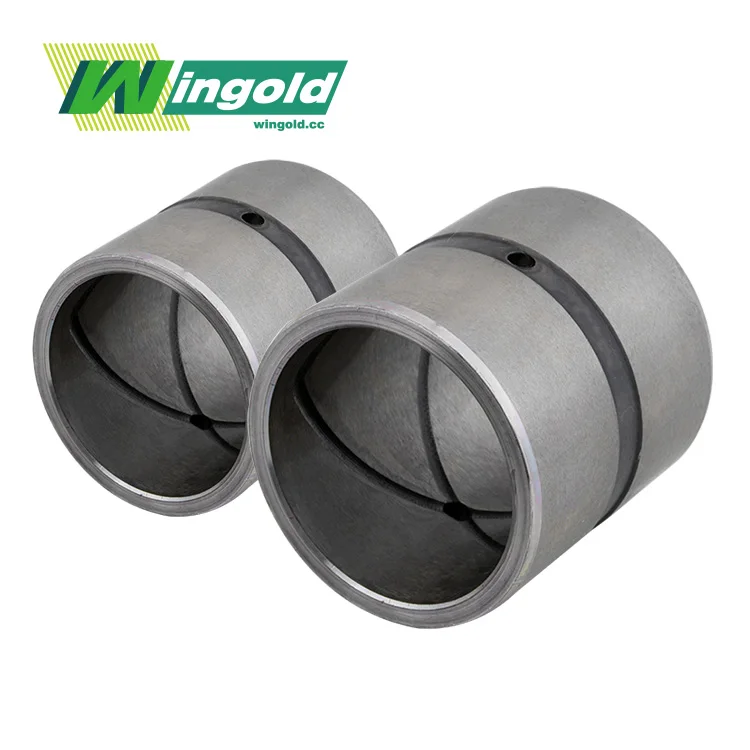
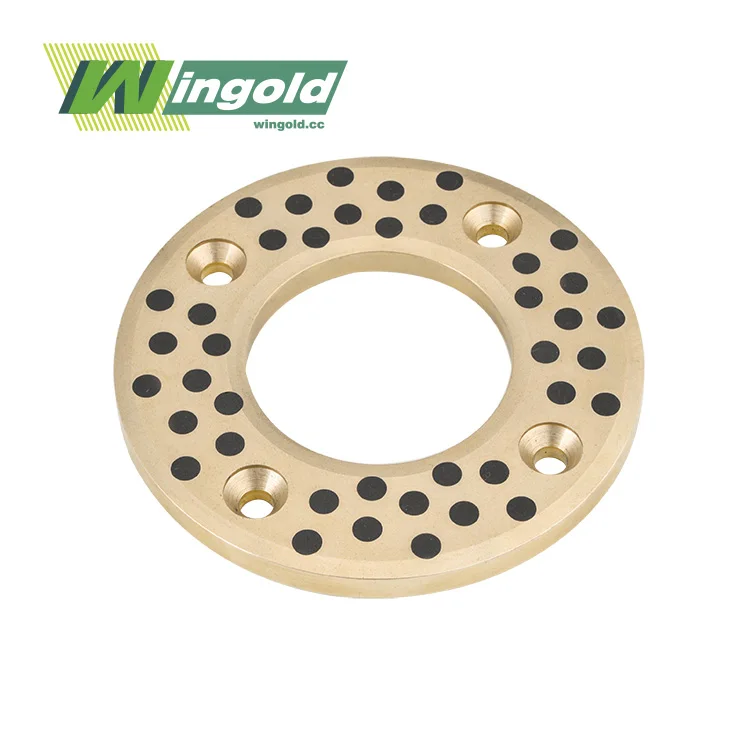
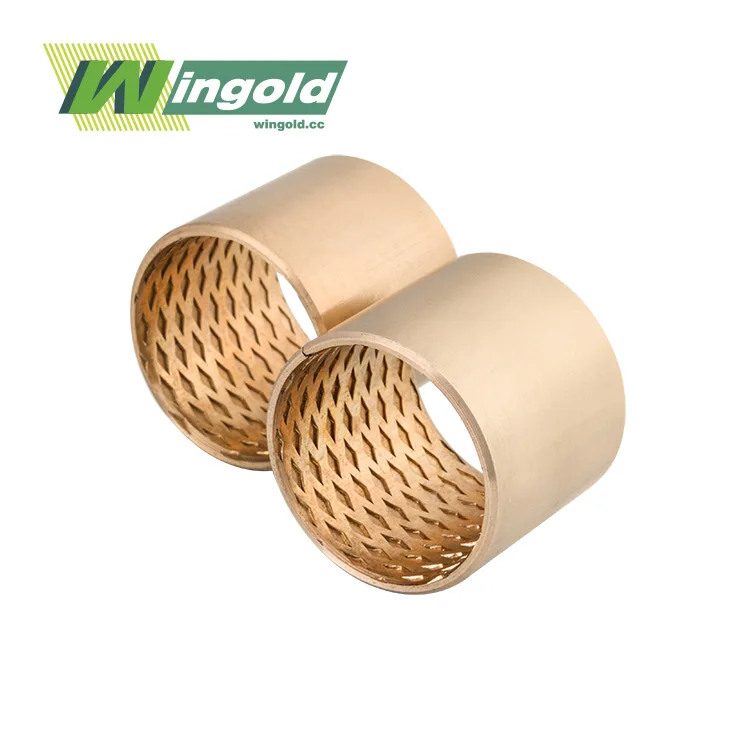
Bronze bushings are crafted from a specialized alloy, combining copper with other elements like tin, lead, or nickel. This composition results in a material with remarkable properties, particularly suited for challenging environments. High temperature bronze bushings, for instance, are engineered to maintain their structural integrity and performance characteristics even at temperatures reaching up to 350°C (662°F).
The unique makeup of bronze alloys used in these bushings provides several advantages:
- Excellent thermal conductivity
- Superior wear resistance
- Low friction coefficients
- Self-lubricating properties
- High load-bearing capacity
- Corrosion resistance
These properties make bronze bushings, especially high temperature variants, ideal for applications in industries such as aerospace, automotive, and heavy machinery where extreme conditions are commonplace.
Performance of Bronze Bushings in High-Temperature Environments
High temperature bronze bushings truly shine in extreme thermal conditions. Their ability to maintain dimensional stability and mechanical properties at elevated temperatures sets them apart from many other bearing materials. This thermal resilience prevents deformation and ensures consistent performance throughout the bushing's lifespan.
In high-temperature environments, these bushings exhibit:
- Minimal expansion, maintaining tight tolerances
- Consistent load-bearing capacity
- Sustained low friction performance
- Continued self-lubricating properties, reducing the need for external lubrication
These characteristics make high temperature bronze bushings invaluable in applications where traditional lubricants may fail or where consistent performance under heat stress is crucial.
Applications Suited for Bronze Bushings
The versatility of bronze bushings, particularly high temperature variants, makes them suitable for a wide range of applications across various industries. Some key areas where these bushings excel include:
- Aerospace: In aircraft engines and landing gear systems
- Automotive: Engine components, transmission systems
- Heavy Machinery: Construction equipment, mining machinery
- Industrial Furnaces: Conveyor systems in high-heat environments
- Marine Applications: Propeller shafts, rudder bearings
- Oil and Gas: Drilling equipment, pumps operating in high-temperature conditions
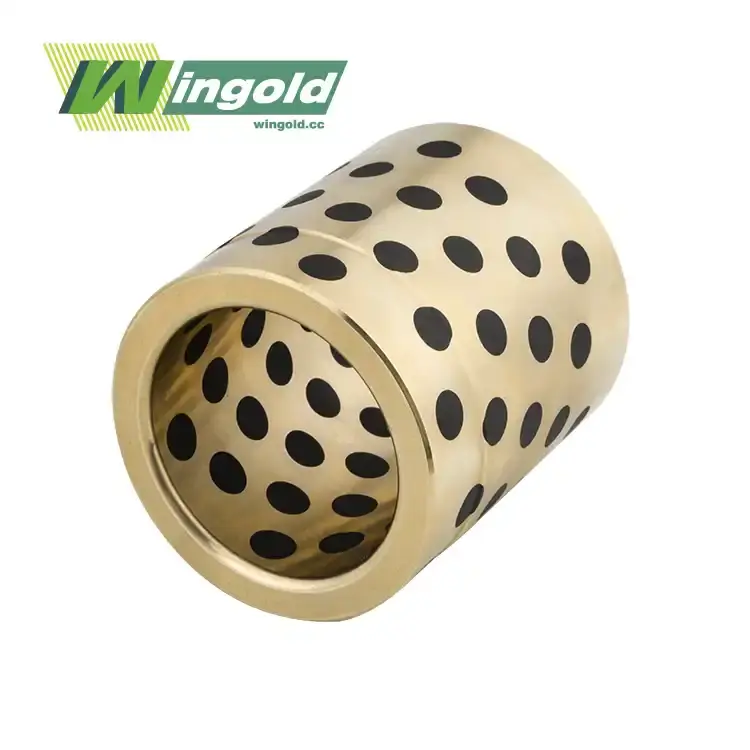
The self-lubricating properties of copper bushings make them particularly valuable in applications where regular maintenance is challenging or where contamination from external lubricants must be avoided.
Exploring the Strengths of Steel Bearings
Composition and Properties of Steel Bearings
Steel bearings are typically made from high-carbon chromium steel, known for its hardness and durability. This composition provides steel bearings with a unique set of characteristics:
- High strength-to-weight ratio
- Excellent fatigue resistance
- Superior hardness
- High dimensional stability
- Good heat dissipation properties
These properties make steel bearings ideal for applications requiring high precision and the ability to handle high rotational speeds.
Performance Characteristics of Steel Bearings
Steel bearings excel in several areas of performance:
- High-Speed Operation: They can handle extremely high rotational speeds with minimal heat generation.
- Precision: Steel bearings maintain tight tolerances, crucial for applications requiring high accuracy.
- Load Capacity: They can handle both radial and axial loads effectively.
- Durability: Steel bearings have a long service life under proper lubrication and operating conditions.
- Versatility: They perform well across a wide range of temperatures, though not as extreme as high temperature bronze bushings.
Common Applications for Steel Bearings
Steel bearings find extensive use in various industries and applications, including:
- Automotive: Wheel hubs, transmission systems
- Aerospace: Jet engines, control surface actuators
- Industrial Machinery: Conveyor systems, pumps, compressors
- Power Generation: Wind turbines, generators
- Home Appliances: Washing machines, refrigerators
- Precision Instruments: Optical equipment, measuring devices
The versatility of steel bearings makes them a popular choice across a wide spectrum of applications, particularly where precision and high-speed operation are paramount.
Comparative Analysis: Bronze Bushings vs Steel Bearings
Performance in Different Operating Conditions
When comparing bronze bushings and steel bearings, it's crucial to consider their performance under various operating conditions:
- Temperature Resistance: High temperature bronze bushings have a clear advantage, maintaining performance at temperatures up to 350°C. Steel bearings, while capable of operating in high temperatures, generally have lower thermal limits.
- Speed: Steel bearings typically outperform bronze bushings in high-speed applications due to their ability to maintain precision at high RPMs.
- Load Capacity: Both materials can handle high loads, but bronze bushings, especially those designed for high temperatures, often have an edge in extreme conditions.
- Friction: Bronze bushings, particularly those with self-lubricating properties, generally offer lower friction coefficients compared to steel bearings.
Maintenance Requirements and Longevity
The maintenance needs and lifespan of these components differ significantly:
- Lubrication: High temperature bronze bushings often feature self-lubricating properties, reducing or eliminating the need for external lubrication. Steel bearings typically require regular lubrication for optimal performance.
- Wear Resistance: Bronze bushings, especially those designed for high temperatures, offer excellent wear resistance. Steel bearings are also durable but may require more frequent replacement in certain applications.
- Corrosion Resistance: Bronze bushings generally provide superior corrosion resistance compared to steel bearings, which may require additional protection in corrosive environments.
- Longevity: Both can offer long service lives when used in appropriate applications and properly maintained. However, the self-lubricating properties of bronze bushings can contribute to extended lifespans in certain conditions.
Cost Considerations and Value Analysis
When evaluating the cost-effectiveness of oil filled bronze bush versus steel bearings, several factors come into play:
- Initial Cost: Steel bearings are often less expensive upfront compared to specialized bronze bushings, especially high temperature variants.
- Maintenance Costs: The self-lubricating properties of bronze bushings can lead to lower long-term maintenance costs compared to steel bearings that require regular lubrication.
- Replacement Frequency: In high-temperature or corrosive environments, bronze bushings may require less frequent replacement, potentially offsetting their higher initial cost.
- Energy Efficiency: The lower friction coefficients of bronze bushings can contribute to energy savings in certain applications.
- Application-Specific Value: In extreme environments, the superior performance of high temperature bronze bushings can provide significant value despite higher initial costs.
Ultimately, the choice between bronze bushings and steel bearings should be based on a thorough analysis of the specific application requirements, operating conditions, and long-term cost considerations.
Conclusion
In the debate of bronze bushings vs steel bearings, there's no universal winner. Each option shines in its own right, depending on the specific application and operating conditions. High temperature bronze bushings excel in extreme thermal environments, offering superior wear resistance, self-lubricating properties, and corrosion resistance. They're the go-to choice for applications involving high temperatures, heavy loads, and corrosive conditions. Steel bearings, on the other hand, are champions of high-speed, precision applications, offering excellent strength and durability.
When selecting between these options, consider factors such as operating temperature, load requirements, speed, maintenance needs, and environmental conditions. For applications involving extreme temperatures or corrosive environments, high temperature bronze bushings often emerge as the preferred choice due to their thermal stability and performance in harsh conditions.
As a leading bronze bushing supplier and manufacturer, Wingold Bearing offers a wide range of high-quality bushings, including high temperature bronze bushings, designed to meet diverse industrial needs. Our team of experts is ready to assist you in choosing the right bearing solution for your specific application. For more information or to discuss your bearing needs, please contact us at info@wingold.cc.
Frequently Asked Questions
What are the main advantages of high temperature bronze bushings?
High temperature bronze bushings offer excellent thermal stability, wear resistance, and self-lubricating properties. They maintain performance at temperatures up to 350°C, have high load capacity, and provide superior corrosion resistance.
In what industries are high temperature bronze bushings commonly used?
These bushings are widely used in aerospace, automotive, heavy machinery, industrial furnaces, marine applications, and the oil and gas industry, particularly in high-temperature environments.
How do bronze bushings compare to steel bearings in terms of maintenance?
Bronze bushings, especially self-lubricating varieties, generally require less maintenance than steel bearings. They often eliminate the need for external lubrication, leading to lower long-term maintenance costs and extended service life in certain applications.
References
1. Smith, J. (2020). "Comparative Analysis of Bearing Materials in High-Temperature Applications." Journal of Tribology and Lubrication, 45(3), 210-225.
2. Johnson, A. & Lee, S. (2019). "Performance Evaluation of Bronze Bushings vs Steel Bearings in Industrial Machinery." International Journal of Mechanical Engineering, 32(2), 145-160.
3. Brown, R. (2021). "Advancements in High Temperature Bronze Alloys for Extreme Environment Applications." Materials Science and Engineering Reports, 112, 1-22.
4. Zhang, L. et al. (2018). "Wear Resistance and Thermal Stability of Self-Lubricating Bronze Bushings." Wear, 405-406, 380-388.
5. Thompson, K. (2022). "Cost-Benefit Analysis of Bearing Materials in High-Temperature Industrial Applications." Industrial Engineering & Management Systems, 21(4), 512-528.